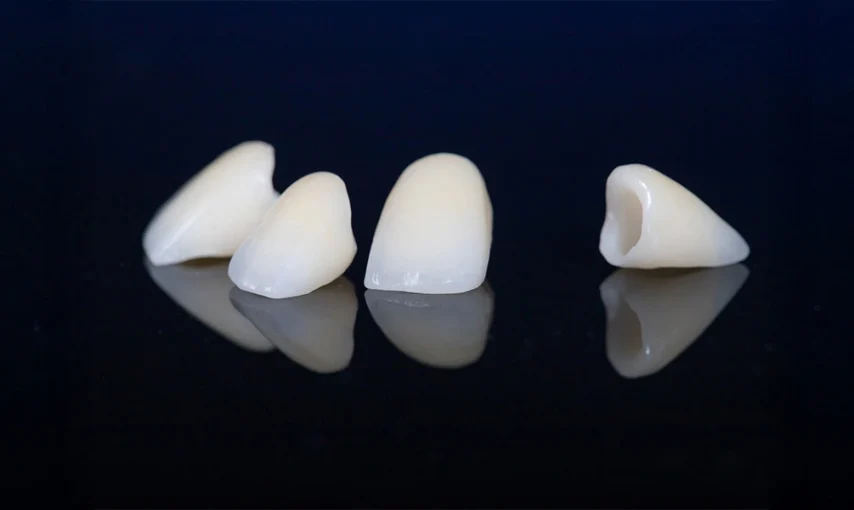
A small cavity may only need a filling, while a deep crack, extensive decay, or a large existing restoration may require a different approach. The best option depends on how much healthy tooth remains and how well it can withstand chewing.
When Is a Dental Filling Not Enough to Repair a Tooth?
A filling may not provide enough support when extensive decay or a fracture has left the tooth too weak for normal chewing.
Fillings typically repair small to moderate cavities or limited damage. A dental crown covers a prepared tooth and may protect weakened areas. However, not every damaged tooth requires full coverage.
What Are the Signs a Tooth Needs More Than a Filling?
Certain symptoms and visible changes deserve closer attention:
- Persistent pain when chewing: Discomfort when biting or releasing pressure may occur with a crack, decay, or inflammation affecting the tooth or surrounding tissues.
- Recurring sensitivity: Ongoing reactions to hot or cold foods may result from exposed dentin, decay, or pulp inflammation.
- Visible cracks or fractures: A broken cusp can reduce the tooth’s ability to withstand biting forces.
- Extensive decay: A large cavity may leave insufficient healthy tissue to support a conventional filling.
- Repeated filling failure: A restoration that frequently breaks or loosens may indicate decay, heavy biting pressure, or inadequate support.
These warning signs do not confirm that a crown is needed. A dentist must examine the tooth before recommending treatment.
When Does a Tooth Need a Dental Crown?
Crowns are often considered when extensive decay, fractures, or large restorations have compromised a tooth’s strength. Pain alone does not determine whether one is necessary.
Extensive Tooth Decay
Large cavities can weaken the surrounding tooth walls. After removing decay, the dentist checks whether a filling, onlay, or crown can adequately restore the area.
Large Existing Fillings
A tooth with an extensive filling may have thinner natural walls. When these walls fracture, another large filling may not offer sufficient protection.
Significant Tooth Fractures
A crown may protect a tooth with damaged cusps by covering the prepared tooth and supporting weakened areas. However, some fractures extending far below the gumline or into the root may prevent restoration.
Learn more about dental crowns and how they differ from fillings.
How Can You Know If a Tooth Needs a Crown?
The visible size of a cavity does not always reflect how much healthy tissue remains beneath the surface. Tooth position, chewing forces, and previous restorations also influence treatment planning.
| Clinical finding | Possible treatment consideration |
| Small cavity with strong surrounding walls | Filling may be sufficient |
| Moderate damage affecting a chewing cusp | Onlay may be considered |
| Extensive decay with weakened tooth walls | Crown may provide suitable coverage |
| Deep crack extending into the root | Tooth may not be restorable |
| Large filling with recurring fractures | More extensive restoration may be needed |
Only a dental examination can determine which option is appropriate.
Can a Cracked or Broken Tooth Need a Crown?
A crack’s depth, direction, and position help determine whether the tooth can be repaired.
Minor Chips and Surface Cracks
Small chips may be treated with bonding or a filling. Superficial enamel craze lines often need no restorative treatment unless another concern is present.
Larger Fractures
If part of a chewing cusp breaks away, the dentist examines how much of the tooth remains intact. Depending on the damage, an onlay or crown may be recommended.
Deep Cracks
If a crack causes irreversible pulp inflammation or infection, root canal treatment may be needed before restoration. When the fracture extends too far into the root, extraction may be necessary.
Even with a crown, some cracks may continue to extend.
What Happens If You Keep Replacing a Large Filling?
A worn or broken filling can sometimes be replaced without further treatment. However, repeated repairs may require removing more natural tooth tissue, especially when new decay or fractures develop.
One possible progression:
Large filling → Reduced natural tooth support → Repeated fracture or decay → Further loss of structure → Possible need for greater coverage
Not every large filling leads to further damage. Your dentist may recommend another filling, an onlay, or a crown based on the tooth’s condition.
Does a Tooth Always Need a Crown After a Root Canal?
No. Whether a crown is needed depends on the tooth’s location and how much healthy structure remains.
Molars and premolars bear considerable chewing pressure. If these teeth are extensively damaged, a crown or another cusp-covering restoration may help reduce the risk of fracture.
A front tooth with sufficient healthy tissue may only need a filling or bonding.
Root canal treatment addresses diseased or infected pulp. The dentist then selects a restoration based on the tooth’s condition and functional needs.
What Are the Alternatives to a Dental Crown?
Fillings, inlays, onlays, and crowns serve different restorative needs.
| Treatment option | When it may be considered |
| Tooth-colored filling | Small to moderate cavities or minor damage |
| Dental bonding | Small chips or localized defects |
| Inlay | Damage within the chewing surface that does not require cusp coverage |
| Onlay | Larger damage requiring coverage of one or more cusps |
| Dental crown | Extensive damage requiring full coverage |
Tooth-colored fillings may repair localized decay, while other restorative dentistry options address more substantial damage.
How Does a Dentist Decide Between a Filling and a Crown?
A dental assessment generally involves:
- Reviewing symptoms: Discuss pain, sensitivity, previous repairs, and recent injuries.
- Examining the tooth: Check for decay, visible cracks, damaged fillings, and healthy tissue.
- Taking X-rays when appropriate: Look for hidden decay or other changes.
- Assessing biting forces: Consider tooth position, chewing pressure, and signs of grinding.
- Comparing treatments: Review available restorations, their limitations, and how much natural tissue each may preserve.
Some tooth cracks are not visible on dental X-rays. Additional clinical tests may be needed.
During dental exams and checkups, dentists can assess existing fillings and look for early signs of decay or fractures.
When Should You See a Dentist for a Damaged Tooth?
Arrange an assessment if you notice:
- Persistent or worsening tooth pain.
- A visible crack or broken cusp.
- Increasing sensitivity.
- A loose, broken, or repeatedly failing filling.
- Swelling, a gum bump, or signs of infection.
Avoid biting on the damaged side until a dentist examines the tooth. Seek urgent dental care for severe pain or swelling. Facial swelling accompanied by difficulty breathing or swallowing requires emergency medical attention.
Frequently Asked Questions About Fillings and Crowns
No. Extensive decay may leave insufficient healthy tissue for a filling. An onlay, crown, or another treatment may be considered.
Not necessarily. Sensitivity can result from exposed dentin, decay, gum recession, or pulp problems. An examination helps identify the cause.
Sometimes. A dentist must assess the existing restoration, remove any decay, and confirm adequate support before placing a crown.
A crown covers more of the tooth and may protect weakened cusps. However, neither restoration guarantees protection against future fractures.
A crack may progress without causing pain. Arrange an examination rather than waiting for symptoms to develop.
Conclusion — Choose the Right Treatment to Protect Your Tooth
Whether a tooth needs a filling, onlay, or crown depends on the extent of damage, available support, and chewing forces. Seeking care promptly may limit further complications and help preserve the natural tooth.
Schedule an examination at Family Dental Care with a dentist in Crestwood to discuss treatment options for a damaged tooth.
Address: 14301 S. Cicero Avenue, Crestwood, IL 60418