Missing teeth affects much more than the look of your smile. They change the way you chew, speak, and even how confident you feel in social settings. Everyday tasks like eating a sandwich or saying certain words can start to feel harder than they should.
For many adults, dental implants in Crestwood offer a way to bring back strength, comfort, and ease in daily life. Implants work much like natural teeth, making it easier to bite, chew, and speak without extra effort.
This guide explains how implants support chewing and speech, what makes them different from dentures, and what you can expect when you visit a dentist to explore your options.
Why Missing Teeth Affect Chewing and Speech
When a tooth is lost, the root and crown both disappear. This leaves a gap in your bite, which can make certain foods harder to break down. You may start to avoid tougher items like meat, crusty bread, or raw vegetables. Over time, this can limit your diet and affect your overall health.
The teeth around the gap can drift or tilt, which changes how your upper and lower teeth meet. This uneven bite can lead to extra wear, jaw strain, or discomfort while chewing.
Speech can change as well. Teeth help shape air and sound as you form words. Missing teeth can affect sounds such as “s,” “f,” and “th.” You may notice a slight lisp or feel that words do not come out as clean or sharp as before. Some people begin to hold back in conversation because they feel self-conscious about these changes.
How Dental Implants Restore Natural Bite Strength
A dental implant works as a small post set into the jawbone, taking the place of the lost tooth root so your new tooth feels steady again. After healing, the bone grows around the implant and holds it in place. A custom-made crown is then secured to the implant post to complete your new tooth.
Because the implant is anchored in bone, it can handle strong biting forces. This helps restore a more even and stable bite. Many patients find they can return to a wider range of foods after their implant crowns are in place.
Unlike bridges that rely on nearby teeth for support, tooth implants stand on their own. Neighboring teeth do not need to be filed down to hold a bridge. This protects more natural tooth structure and helps keep the bite balanced over time.
When your bite is stable and strong, chewing feels smoother. You spend less effort breaking food into small pieces, and your jaw muscles do not have to work as hard to compensate for missing teeth.
Improved Speech: How Implants Support Clearer Pronunciation
Clear speech depends on the way your teeth, tongue, and lips work together. If teeth are missing in the front or on the sides, air escapes in new paths as you speak. This can blur certain sounds or make them harder to control.
Implants fill these spaces with fixed teeth that stay in one place as you talk. The crown is shaped to match the size and position of a natural tooth, which helps guide the tongue and air in a more normal path. Many patients notice that words feel easier to form again once their mouth “relearns” the new positions.
For people who struggle with loose partials or dentures, implants or implant-supported teeth can reduce clicking noises, shifting, or the fear that a prosthesis will move during a conversation. This often leads to more relaxed, confident speech in both social and work settings.
Why Implants Feel More Stable Than Dentures
Removable dentures sit on the gums and stay in place through their fit, natural suction, and sometimes a small amount of adhesive. Over time, the jawbone under a denture can shrink, which leads to looseness and sore spots. Even a well-made denture can move a bit when you chew or speak.
Implants, on the other hand, are fixed in the bone. They do not slip out of place when you bite into food or laugh with friends. This feeling is one of the main reasons many people search for dental implants near me when they grow tired of shifting dentures.
Implant-supported dentures and bridges use several implants as anchors. The teeth clip or screw into place on these posts. This design helps spread chewing forces more evenly across the jaw and keeps the denture from rocking or lifting when you eat or talk.
The Long-Term Benefits of a Stronger Bite and Clearer Speech
A stronger bite does more than make meals more pleasant. It supports better nutrition. When you can chew a variety of foods, you are more likely to eat enough fruits, vegetables, and protein. This helps your whole body, not just your teeth.
Dental implants also help slow bone loss in the jaw. The biting forces that travel through the implant stimulate the bone, similar to how natural roots work. This support can help maintain your facial shape and reduce the “sunken” look that can develop with long-term denture wear.
Clearer speech and a stable bite often bring a boost in confidence. Patients report that they feel more at ease in meetings, on the phone, or at family events because they are less worried about their teeth shifting or words slurring.
Over the years, these everyday improvements add up. You gain comfort, function, and peace of mind each time you eat or speak without giving your teeth a second thought.
What to Expect During Your Implant Consultation
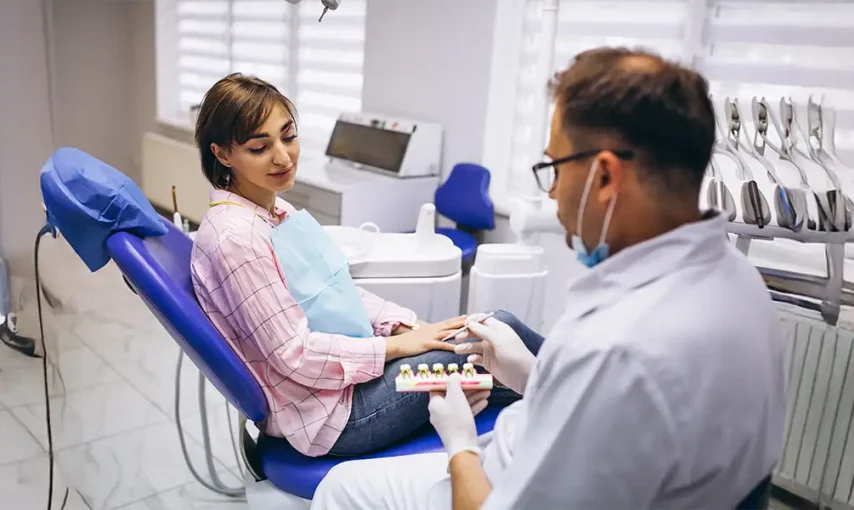
Your dentist in Crestwood will begin your implant visit with a careful review of your medical and dental history. They will ask about your goals, such as eating certain foods again or improving speech.
Most consultations include:
- A complete exam of your teeth, gums, and bite
- X-rays or 3D scans to measure bone levels
- A check for gum disease or other issues that need treatment first
- A discussion of options, such as single implants, bridges, or implant-supported dentures
You will also talk about the steps involved in treatment, healing time, and how many visits you may need. Costs and payment options are usually outlined so you can plan with a clear picture of your choices. The goal of this visit is education and planning, not pressure.
Final Thoughts
Missing teeth can make chewing hard and speech unclear, but you do not have to live with those limitations. Dental implants offer a way to restore strength, comfort, and confidence in daily life. With strong, natural-looking teeth in place, many people notice they can eat a wider variety of foods and speak with greater ease.
If you are wondering whether implants are right for you, a personal consultation is the best next step. The team at Family Dental Care – Crestwood can examine your mouth, explain your options, and help you decide on a plan that fits your needs and goals.