Author: Familydentalcare_aDMeeN

Dec 16, 2024

Understanding Dental Emergencies: What They Are and When to Act?

Dental emergencies can arrive when you least expect them, and knowing what to do can make all the difference. From severe pain to a knocked-out tooth, acting swiftly is critical. Understanding what qualifies as an emergency and taking quick action can prevent further complications. In many cases, acting fast can even save your tooth!

What Is a Dental Emergency?

A dental emergency refers to any situation requiring urgent attention to save a tooth, stop significant bleeding, or relieve intense pain. It’s not the same as needing a filling or a routine check-up; emergencies require urgent attention. For instance, a slight toothache might be annoying but can usually wait. On the other hand, a tooth knocked out during a soccer game? That’s a situation where you need an emergency dentist near you right away.

Dental emergencies tend to happen without warning. Understanding the difference between a real emergency and something that can wait is important for your oral health. But how do you tell the difference?

Common Types of Dental Emergencies

Dental emergencies come in all forms, but they share one thing in common—quick action can help avoid long-term issues. Here are some of the most frequent emergencies:

  • Broken or cracked teeth: Whether it’s a sharp pain when biting or an obvious break, this can lead to more damage if untreated.
  • Severe tooth pain or abscesses: If you can’t sleep or focus because of the pain, it’s time to seek help.
  • Knocked-out teeth: A sudden accident can knock out a tooth completely. If this happens, don’t panic—place the tooth in milk or saline and get to a dentist within 30 minutes.
  • Lost fillings or crowns: Losing a filling or crown might seem like a minor issue, but leaving the tooth exposed can cause discomfort and lead to further damage.
  • Injuries to the gums or mouth: Cuts, bleeding, or any trauma to the soft tissues in your mouth are emergencies, too. If you’re bleeding heavily, get help right away.

Each of these conditions can worsen if not treated promptly. Knowing which situations qualify as true emergencies will save you from unnecessary pain or the risk of losing a tooth.

When Should You Act?

Not every dental issue needs immediate attention, but some do. How can you tell the difference? Here are some guidelines to help you decide:

  • Immediate action is needed if:
    • You are experiencing severe pain that doesn’t go away.
    • There is significant swelling in your mouth or face.
    • You’ve lost a tooth due to trauma.
    • There’s heavy bleeding that won’t stop.
  • It can wait if:
    • You have a mild toothache that can be managed with over-the-counter pain relief.
    • You chipped a tooth, but it doesn’t hurt, and there is no sharp edge.
    • You’ve lost a filling, but there is no pain or discomfort.

Delaying care for real emergencies can lead to infections, more pain, and more complex treatment down the road. For instance, waiting too long to treat an abscess can lead to an infection spreading to other parts of your body. It’s always better to be safe than sorry, so when in doubt, reach out to an emergency dental clinic right away.

What To Do In a Dental Emergency

Sometimes, emergencies happen at the worst possible moment. While your first instinct might be to panic, having a plan in place helps. Here are a few steps you can take at home while on your way to the dentist:

  • Knocked-out tooth: In this case, place it in milk or a saline solution immediately and make your way to the dentist within half an hour for the best shot at preserving it.
  • Severe toothache: Gently rinse or wash your mouth with a warm salt mixture to keep the area clean. Avoid putting aspirin directly on the tooth, as it may harm your gums.
  • Broken tooth: If swelling develops, use a cold compress on the outside of your cheek and rinse your mouth with warm water. Keep any broken pieces of the tooth and bring them with you to your appointment.
  • Lost filling or crown: You can use a piece of sugar-free gum to temporarily protect the exposed area. Try not to chew on that side until you see your dentist.

And remember, never try to fix these issues on your own. Dental problems can be more complex than they seem. Call your dentist in Evergreen Park for immediate advice.

Preventing Dental Emergencies

While it’s impossible to prevent every dental emergency, there are steps you can take to lessen the chances of one happening. Here’s how to keep your teeth safe:

  • Regular dental check-ups: Catch problems before they turn into emergencies by going for routine check-ups.
  • Wear a mouthguard: If you take part in contact sports, this is essential. A well-fitting mouthguard protects your teeth from trauma.
  • Avoid using teeth as tools: It might be tempting to open a package with your teeth, but it’s a quick way to break or chip them.
  • Maintain good oral hygiene: Brush, floss, and rinse with mouthwash daily to prevent issues like decay or gum disease that could turn into emergencies later.

Preventive care is your best defense against unexpected dental emergencies. By staying ahead of issues and protecting your teeth, you can save yourself from needing urgent care down the road.

Conclusion

Dental emergencies can be stressful and uneasy, but knowing when and how to act makes all the difference. From saving a knocked-out tooth to stopping severe pain, quick action can lead to better outcomes. Staying proactive with regular care, using mouthguards, and knowing the indications of an emergency can help you avoid unnecessary discomfort.

Secure Your Smile: Book Your Emergency Appointment Today!

If you’re experiencing any signs of a dental emergency or need routine care, don’t wait. Contact Family Dental Care – Evergreen Park to schedule your appointment today. We’re here to help you stay healthy and pain-free.

Previous Blog Post

Tips To Prepare Your Kid For Tooth Extraction

Undergoing a tooth extraction can cause anxiety for anyone, especially children. As parents, you want to ensure your child feels calm and supported throughout the process. Preparing your child for tooth extraction goes beyond simply telling them what to expect—it’s about creating a positive mindset and using helpful strategies to reduce anxiety. If you’re looking…

Read More

Dec 11, 2024

Smile Makeover: Top 5 Benefits You Should Know

Are you hiding your smile due to dental gaps, stains, or crooked teeth? A smile makeover can change everything, boosting your confidence and transforming your look! Whether it’s a subtle touch-up or a full transformation, this treatment offers life-changing results. Curious about what it can do for you? Let’s dive into the top five benefits you’ll love!

Boost in Self-Confidence

A smile makeover doesn’t just change how you look—it changes how you feel. Improving your oral health and smile can do wonders for your self-esteem and how you interact with others. Here are the key reasons a smile makeover boosts confidence:

  1. Feel More Comfortable in Social Situations
  • You’ll no longer feel the need to hide your smile.
  • Laughing and smiling become effortless when you love your teeth.
  1. Increased Positivity
  • Feeling good about your appearance often translates into a more positive attitude.
  • Studies show that smiling more can improve your mood and lower stress.
  1. Better First Impressions
  • Your smile is one of the first things people notice.
  • A confident, bright smile leaves a lasting, positive impression on others.

Improved Oral Health

A smile makeover isn’t just about cosmetic improvements. It can also have a positive impact on your overall oral health. Misaligned or damaged teeth can lead to various dental issues over time. Here’s how a dental makeover can improve your dental health:

  1. Prevention of Tooth Decay
  • Straightened teeth are easier to clean, lowering the risk of cavities.
  • Dental restorations safeguard your teeth from further damage.
  1. Better Gum Health
  • Crooked teeth can lead to gum disease due to trapped food particles.
  • Correcting alignment improves how your gums fit around your teeth, lowering the risk of infection.
  1. Improved Bite Function
  • Fixing bite issues reduces wear and tear on your teeth.
  • A balanced bite prevents jaw pain and discomfort.

With better alignment and healthier teeth, you reduce the risk of future dental problems. You’ll enjoy fewer visits to the dentist in Crestwood for emergency care.

Long-Lasting Results

A smile makeover is a long-term investment. When done correctly, the results can last for many years, giving you plenty of time to enjoy your new smile. Here are a few reasons why the results are worth it:

  1. Durable Materials
  • Dental materials used today, like porcelain veneers or crowns, are made to last.
  • These dental materials are designed to withstand daily wear and tear while maintaining their appearance.
  1. Simple Maintenance
  • Keeping your smile bright is easy with regular brushing, flossing, and dental check-ups.
  • Unlike other cosmetic treatments, a smile makeover doesn’t require constant upkeep.
  1. Cost-Effective Over Time
  • The upfront cost may seem like an investment, but the long-lasting results make it more cost-effective than temporary treatments like teeth whitening.
  • With proper dental care, your new smile can last up to 15 years or more.

You’ll enjoy the benefits of your smile transformation for years, making the initial investment well worth it.

Customized to Fit Your Needs

One of the most exciting aspects of a smile makeover is that it’s not a one-size-fits-all approach. Every dental treatment plan is customized to meet your unique dental needs and goals. Here’s why personalization matters:

  1. Tailored to Your Smile
  • Your dentist will assess your specific concerns and goals.
  • Whether it’s fixing dental gaps, brightening your teeth, or adjusting your bite, your makeover is designed just for you.
  1. Focus on Your Preferences
  • You have control over the end result. If you want a subtle change or a dramatic transformation, your dentist will work with you to make it happen.
  • Your opinion matters every step of the way, ensuring the final result matches your vision.
  1. A Natural Look
  • The treatment is customized to enhance your natural features, ensuring your smile looks authentic.
  • You won’t feel like you have someone else’s smile—just a better version of your own!

This level of personalization ensures that the smile makeover feels right for you, and the results will reflect your unique personality.

Enhanced Overall Appearance

A brighter smile can change not just how your teeth look but also your entire appearance. It’s amazing how much difference a healthy, aligned smile can make! Here’s why a smile makeover enhances your overall appearance:

  1. Balanced Facial Features
  • Your smile is a major focal point of your face. Enhancing it can help create balance, making your other features stand out.
  • A well-shaped smile can improve the symmetry of your facial structure.
  1. Youthful Look
  • White, straight teeth are often associated with youth and vitality.
  • A smile makeover can erase years off your appearance, giving you a fresher, younger look.
  1. Instant Confidence Boost
  • Knowing your smile looks great instantly lifts your confidence.
  • You’ll feel more photogenic and enjoy sharing your smile with the world.

By enhancing your smile, you also enhance your overall beauty, giving you the confidence to shine in any situation.

Conclusion

A smile makeover offers more than just cosmetic benefits—it transforms how you feel about yourself and improves your overall dental health. From increased confidence to lasting results, there’s no shortage of reasons to consider making this life-changing decision. Your smile is one of your most valuable assets, so why not invest in it?

Ready for Your Dream Smile?

Transform your smile with the help of a smile makeover dentist near you. At Family Dental Care – Crestwood, we specialize in creating beautiful, confident smiles. Don’t wait—book your consultation today and take the first step toward a stunning smile that will boost your confidence! 

Previous Blog Post

Understanding Dental Emergencies: What They Are and When to Act?

Dental emergencies can arrive when you least expect them, and knowing what to do can make all the difference. From severe pain to a knocked-out tooth, acting swiftly is critical. Understanding what qualifies as an emergency and taking quick action can prevent further complications. In many cases, acting fast can even save your tooth! What…

Read More

Dec 06, 2024

What You Need to Know About Dental Bone Graft

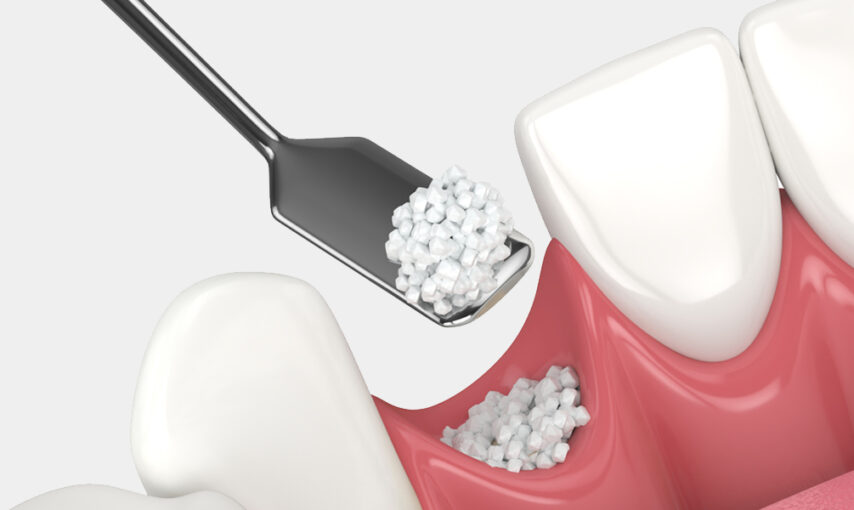
A dental bone graft is a method used to rebuild or strengthen jawbone, commonly needed for individuals planning dental implants or those experiencing bone loss from injury or illness. Knowing the basics can help you feel more comfortable and prepared if you’re thinking about this type of treatment.

What is a Dental Bone Graft?

A dental bone graft is a process where your dentist adds bone material to areas where you’ve experienced bone loss. This material can come from your own body or a donor, and sometimes synthetic options are used. It’s essential when your jawbone isn’t strong enough to support things like dental implants.

  • Why are bone grafts important? Your teeth rely on strong bones for stability. When bone is lost, you risk further complications like shifting teeth, jaw problems, and issues with future dental treatments. Without the right support, even everyday activities like chewing can become uncomfortable.
  • A tooth bone graft acts as a foundation for your dental health. Think of it like laying the groundwork for a strong, healthy smile.

When is a Dental Bone Graft Necessary?

There are several situations where a dental bone graft may be necessary:

  1. After Tooth Loss – When a tooth is lost, the bone around it can start to shrink. If you’re considering a dental implant, you’ll need enough bone to hold it securely.
  2. Gum Disease – Advanced gum disease can eat away at your bones. A graft helps repair the damage.
  3. Injury or Trauma – Accidents can cause bone loss in your jaw, making grafts essential to restore the structure.
  4. Preparing for Dental Implants – A common reason people seek a graft is to create the right conditions for a successful implant. Without it, implants might fail or not stay in place.

Bone loss doesn’t just affect appearance—it can make everyday tasks, like chewing, harder and may lead to more issues in the long run. If you’re wondering whether you need a bone graft, a dental bone graft specialist will be able to assess your situation.

Types of Dental Bone Grafts

Not all bone grafts are the same. Depending on your needs, your dentist might suggest one of the following types:

  • Autograft – Bone is taken from another part of your own body, like the hip or chin. This method typically has the highest success rate because it uses your own cells.
  • Allograft – Bone from a donor, often processed to ensure safety. This is a great option if you don’t want to undergo another procedure to harvest bone.
  • Xenograft – Bone from an animal, usually a cow. Don’t worry—this type is thoroughly sterilized and safe for human use.
  • Synthetic Bone Grafts – These are artificial materials designed to mimic bone structure. They can be a great alternative when natural sources aren’t an option or if you prefer not to use human or animal tissue.

Each type has its benefits, and your dentist will recommend the best one based on your unique situation. Whether you’re facing dental graft surgery or just starting to explore options, knowing the types of grafts can help you feel more informed and confident.

What to Expect During the Procedure

A dental bone graft procedure is typically straightforward, but knowing what to expect can make it less intimidating:

  1. Initial Consultation – The dentist will do an assessment of your mouth and possibly take x-rays or scans to assess bone loss. This helps them determine the right approach.
  2. The Procedure – You’ll get local anesthesia to numb the area. If needed, sedation options are available for added comfort. The bone graft material is placed in the area where the bone is lacking, and then it’s secured in place.
  3. Closing Up – The dentist will stitch the area to protect the graft as it heals.
  • Pain Management – Most people describe the procedure as being no more uncomfortable than a routine dental filling. You may feel some pressure, but the pain is usually minimal.

The whole process typically takes under an hour, depending on the extent of the graft. Your dentist will make sure you are as easeful as possible throughout.

Recovery and Aftercare

Recovery from a dental bone graft is relatively smooth, but it’s important to follow your dentist’s instructions carefully. Here’s what you can expect:

  • First 24 Hours – You may experience some swelling and discomfort. Ice packs can help lessen swelling, and over-the-counter pain medications should handle any discomfort.
  • Diet Adjustments – Stick to a diet containing soft foods for the first few days. Think soups, smoothies, and mashed foods. Avoid anything too hot or crunchy.
  • Oral Hygiene – You’ll need to be careful when brushing near the graft site. Rinsing or washing with salt water can help keep the area clean without irritation.

Keep an eye out for any signs of infection or unusual pain. If you notice anything concerning, reach out to your dentist at 60617 immediately. Following these steps will ensure your graft heals properly, setting the stage for long-term success.

Are There Any Risks?

As with any procedure, there are some risks, but they are rare. Potential issues include:

  • Infection at the graft site
  • Failure of the graft to integrate with your bone
  • Pain or swelling that lasts longer than expected

While these complications are uncommon, it’s important to stay in close contact with your dentist during recovery. Most people experience smooth, uneventful healing, and proper care reduces the risk of complications.

How Long Does it Take to Heal?

Healing from a dental bone graft takes a bit of time, but most patients feel back to normal after about two weeks. However, the bone itself can take several months to fully integrate and become strong enough for things like implants.

  • You’ll likely return to normal activities in just a few days, but avoid heavy exercise for the first week to prevent unnecessary pressure on the graft site.
  • Your dentist will observe our progress during follow-up appointments to make sure healing is properly happening.

Benefits of a Dental Bone Graft

The benefits of a bone graft extend beyond just preparing for implants. Other perks include:

  • Improved Oral Health – A strong jawbone supports your teeth, helping prevent further issues.
  • Enhanced Appearance – Restoring lost bone can help maintain the shape of your face, giving you a more youthful look.
  • Long-Term Stability – If you’re getting implants, a graft increases their chance of success and keeps them in place for years to come.

Investing in your bone health now can save you from complications down the road and make a huge difference in how your smile feels and looks.

Conclusion

A dental bone graft is an effective solution for bone loss and is a critical step for many people who need dental implants. It’s a straightforward process with long-term benefits, and your dentist is there to guide you every step of the way. If you’ve been told you need a bone graft, don’t hesitate to ask questions and feel confident about the path ahead.

Interested in finding out if a dental bone graft is right for you?

 Family Dental Care – Chicago can help. Schedule a consultation today and take the first step toward a healthier, more confident smile.

Previous Blog Post

Smile Makeover: Top 5 Benefits You Should Know

Are you hiding your smile due to dental gaps, stains, or crooked teeth? A smile makeover can change everything, boosting your confidence and transforming your look! Whether it’s a subtle touch-up or a full transformation, this treatment offers life-changing results. Curious about what it can do for you? Let’s dive into the top five benefits…

Read More

Dec 01, 2024

Why is it Important to Treat Sleep Apnea?

Sleep apnea may seem like just a nighttime nuisance, but it affects much more than sleep. Untreated, it can interfere with energy levels, mood, and even heart health. Here’s why treating sleep apnea matters and how it can lead to a stress-free, healthier, more active life.

Oral Appliance Therapy: A Comfortable Solution for Sleep Apnea Relief

Oral Appliance Therapy (OAT) is a non-invasive and effective therapy modality for the management of obstructive sleep apnea (OSA) and persistent snoring. This technique utilizes a custom-fitted dental appliance, akin to a mouthguard, that subtly realigns the jaw to avert airway obstruction during sleep. OAT maintains airway patency, minimizing breathing disruptions, so facilitating a consistent oxygen supply and promoting more restorative sleep. In contrast to CPAP devices, which may be cumbersome and painful for some individuals, oral appliance therapy (OAT) is portable, user-friendly, and specifically engineered to provide comfortable, uninterrupted sleep for persons with obstructive sleep apnea (OSA) each night.

Critical Benefits of Treating Sleep Apnea

Sleep apnea treatment doesn’t just improve sleep; it benefits every part of life. Here’s what effective care can accomplish:

  • Increases Energy Levels: People with sleep apnea often feel exhausted, even after a whole night’s rest. Treatment can restore energy levels, making each day more manageable and productive.
  • Sharpens Mental Clarity: Lack of quality sleep can make it hard to focus, remember details, or stay alert. Treatment can clear the mental fog that often comes with untreated OSA, leading to better memory, sharper thinking, and improved concentration.
  • Supports Heart Health: Untreated sleep apnea is linked to high blood pressure, stroke, and other cardiovascular issues. Consistent treatment can reduce these risks and promote a healthier heart.
  • Boosts Mood and Mental Health: OSA impacts mood, often causing irritability and anxiety. Treating sleep apnea can improve mood and reduce the risk of depression, improving overall emotional well-being.

Various Treatment Options for Sleep Apnea

There’s no one-size-fits-all solution for sleep apnea, which means treatment can be tailored to each person’s needs. Here are a few common treatments:

  1. Continuous Positive Airway Pressure (CPAP): One method to maintain an open airway while sleeping is using a continuous positive airway pressure (CPAP) machine, which delivers a steady stream of air via a mask. For a lot of people, this strategy works well.
  2. Oral Appliances: Designed to move the jaw slightly forward, these devices open the airway, allowing air to flow smoothly. A sleep apnea dental clinic often custom-fits these devices, making them a comfortable option.
  3. Lifestyle Adjustments: In some cases, lifestyle changes can help. Losing weight, exercising, and sleeping on one’s side can improve sleep apnea symptoms.
  4. Alternative Treatments: Other treatments, like myofunctional therapy, involve exercises that strengthen muscles around the airway. These options are often beneficial for people who cannot tolerate CPAP or need extra support.

Each option has unique benefits; finding the right one depends on personal preferences and needs. Consulting a sleep apnea specialist near me helps to determine the most effective and comfortable approach.

Why Early Treatment is Vital

The more prolonged sleep apnea goes untreated, the more it affects overall health. Some complications from untreated OSA include:

  • Heart Problems: Sleep apnea raises the risk of heart conditions by increasing blood pressure and adding stress to the heart. Consistent treatment can reduce these risks, protecting heart health.
  • Increased Risk of Stroke: OSA raises the likelihood of having a stroke. Treating sleep apnea lowers the risk and can prevent serious health events.
  • Diabetes Management: Sleep apnea makes it harder to control blood sugar levels. Effective treatment supports healthier glucose levels for those with prediabetes or diabetes.
  • Weight Management: Lack of quality sleep can make losing weight more challenging. Treating OSA can support weight loss efforts and improve energy levels, making a healthier lifestyle more accessible.

These potential risks emphasize the importance of addressing sleep apnea with the help of a dentist in Calumet City or another local specialist.

Improving Quality of Life with Consistent Treatment

Beyond physical health, treating sleep apnea can enhance everyday life. Here are some ways that treatment makes a difference:

  • Improved Relationships: Snoring and restlessness can disturb a partner’s sleep, straining relationships. Treating sleep apnea promotes better rest for everyone involved.
  • More Productivity: With better focus and less fatigue, everyday tasks become more accessible, improving performance at work or school.
  • Enhanced Emotional Balance: Treatment helps regulate mood, reducing feelings of frustration and irritability. This leads to a better overall outlook on life.

Staying Committed to Treatment

Getting used to sleep apnea treatment can take time, but the benefits are worth it. Here’s how to stay consistent:

  • Make CPAP Comfortable: If using CPAP, try different masks or adjust the settings to find the right fit.
  • Explore Alternatives: Those struggling with CPAP can consider alternatives like oral appliances or lifestyle adjustments.
  • Set Realistic Goals: Small improvements build over time. Celebrate the progress, and stay focused on long-term health.

Seeking Professional Help for Better Outcomes

At Family Dental Care – Calumet City, professionals provide guidance tailored to individual needs, from custom-fit oral appliances to expert advice on lifestyle changes. That first step can open the door to better health, deeper sleep, and a brighter day-to-day experience.

Final Thoughts

Sleep apnea isn’t just a nighttime problem; it impacts health, mood, and daily energy. Treating it can bring incredible benefits, from better heart health to a clear mind and a happier outlook. While the journey may seem challenging, support from a sleep apnea treatment professional makes it possible to achieve lasting results. Each night of restful sleep brings another step toward a healthier, more vibrant life.

Previous Blog Post

What You Need to Know About Dental Bone Graft

A dental bone graft is a method used to rebuild or strengthen jawbone, commonly needed for individuals planning dental implants or those experiencing bone loss from injury or illness. Knowing the basics can help you feel more comfortable and prepared if you’re thinking about this type of treatment. What is a Dental Bone Graft? A…

Read More

Nov 26, 2024

Which Teeth Benefit Most from Sealant Placement?

Protecting your teeth from cavities just got easier! Dental sealants offer a quick, painless way to shield your teeth from decay, especially in those hard-to-clean areas. Wondering which teeth benefit the most? Whether you’re a parent considering sealants for your child or an adult seeking extra protection, this guide breaks it all down for you!

What Are Dental Sealants?

Tooth sealants are a simple yet effective way to prevent tooth decay. They are made of a special material that bonds to the surface of your teeth. Once applied, the sealant serves as a protective layer that blocks out food particles and bacteria that can lead to cavities.

  • How do they work?

Sealants are painted onto the tooth surface, where they quickly harden. The process takes only a few minutes, but the protection they offer can last for years. Since they seal off the tiny grooves where bacteria hide, sealants are especially useful on the back teeth, where most cavities form.

  • Who can benefit?

While dental sealants are highly commonly recommended for children and teenagers, adults can benefit too. If you have deep grooves in your teeth or are prone to cavities, sealants might be an excellent choice for you.

Sealants give your teeth a fighting chance against decay, reducing the need for fillings, crowns, or other more involved procedures later on. It’s a small step that can lead to big benefits for your smile. You can ask your dentist in Oak Lawn if sealants are the right option for you.

Molars: The Prime Candidates for Sealants

Molars are the heavy lifters when it comes to chewing food. Because of their role and their structure, molars are the teeth that benefit the most from sealant placement. Here’s why:

  • Deep grooves: Molars have deep pits and fissures that can trap food and bacteria. Even with careful brushing, these grooves are difficult to clean completely. Sealants cover these tricky areas, preventing plaque buildup that leads to decay.
  • Constant use: Molars handle a lot of wear and tear from chewing. This makes them more vulnerable to decay. Protecting them with sealants keeps them strong, so you can avoid the hassle of cavities and dental repairs down the road.
  • Cavity prevention: Studies show that applying sealants to molars can lessen the risk of decay by nearly 80%. This is particularly important for children whose newly erupted permanent molars are at high risk for cavities.

If you’ve ever wondered why your dentist focuses on your back teeth when talking about sealants, it’s because these teeth have the most to gain from this tooth sealant procedure.

Sealants for Premolars: Are They Necessary?

Premolars sit between your molars and canines. While not as large or as deeply grooved as molars, premolars can still benefit from sealant placement. It all depends on the shape and risk factors of each person’s teeth.

  • Do premolars need sealants?

In some cases, yes. If your premolars have deep grooves similar to molars or if you have a history of cavities, sealants can be beneficial. They provide the same kind of protection for these teeth, keeping decay away.

Assessing risk: Sealants aren’t typically placed on all premolars unless there’s a high risk of decay. Your dentist will examine the depth of the grooves and pits in your premolars to determine if sealants are necessary.

Balanced approach: Not every tooth needs a sealant. A careful evaluation by your dentist can help decide whether your premolars should be treated. The goal is to provide the right amount of protection for the teeth most vulnerable to decay.

Sealants on premolars aren’t as common, but in certain cases, they can offer valuable protection, keeping those teeth strong and cavity-free.

Can Children and Adults Both Get Sealants?

Dental sealants are not just for kids. While many parents get sealants placed on their children’s teeth as soon as their permanent molars come in, adults can benefit from them as well. Here’s why:

  • Children and sealants: Kids are the primary candidates for sealants because their teeth are still developing, and they are more prone to cavities. Getting sealants early can protect their teeth during the crucial years of development. Applying sealants soon after the molars emerge can safeguard them from decay right from the start.
  • Adults and sealants: You might be wondering if it’s too late for adults to get sealants. The answer is no! Adults having deep grooves in their teeth or those vulnerable to cavities can still benefit. Sealants can be a great way to prevent further decay in already susceptible teeth. If you’ve had a filling or other dental work, talk to your dentist to see if sealants could still help protect your teeth.
  • Preventive care: Whether you’re young or old, prevention is always better than treatment. Sealants can be an important addition to any dental care routine, reducing the need for fillings, crowns, or more extensive procedures in the future.

Both children and adults can gain lasting protection from sealants, extending the health and strength of their teeth.

Conclusion

Sealants are a simple yet powerful tool for preventing cavities, especially in the teeth that need it most. By covering the grooves and pits of your molars and premolars, sealants provide an added layer of defense against tooth decay. While molars are the main focus, some premolars may also need this added protection, depending on your specific dental structure. Both kids and adults can benefit from sealants, making it an option worth considering at any stage of life.

Ready to Protect Your Teeth with Sealants?

If you’re ready to protect your teeth with sealants, now is the time to act. Schedule an appointment with Family Dental Care – Oak Lawn to find out if tooth sealants near you are right for you. We’ll help you understand the benefits of sealants and ensure your teeth are protected from decay for years to come. Don’t wait—give your teeth the protection they need!

Previous Blog Post

Why is it Important to Treat Sleep Apnea?

Sleep apnea may seem like just a nighttime nuisance, but it affects much more than sleep. Untreated, it can interfere with energy levels, mood, and even heart health. Here’s why treating sleep apnea matters and how it can lead to a stress-free, healthier, more active life. Oral Appliance Therapy: A Comfortable Solution for Sleep Apnea…

Read More

Nov 21, 2024

What Are Common Pediatric Dental Procedures?

Taking care of your child’s teeth is one of the most important steps toward a healthy future. Early visits to the dentist set the stage for good habits and protect your child’s smile. Many parents wonder about the types of dental procedures their child might need. Pediatric dental procedures focus on preventing issues and treating any problems that come up as your child’s teeth develop. Let’s explore some of the most common pediatric dental treatments and how they help keep your child’s teeth in great shape.

Dental Exams and Cleanings

Regular checkups are the foundation of any good dental routine. When it comes to kids, exams, and cleanings are crucial in keeping their teeth healthy. During a routine visit:

  • The dentist checks for cavities, tooth alignment, and any early signs of gum disease.
  • Teeth are thoroughly cleaned with a toothbrush to remove plaque and tartar, especially from areas that are hard to reach.

We recommend scheduling cleanings every six months to keep your child’s dental health in the optimal condition. These visits help us catch small problems before they become bigger ones, making it easier to maintain your child’s healthy smile. Regular cleanings in kids’ dentistry near you also create positive experiences, helping kids feel comfortable during their dental visits.

Fluoride Treatments

Fluoride treatments are among the easiest and most efficient ways to safeguard a child’s teeth. Natural fluoride strengthens tooth enamel and increases its resistance to cavities. After cleaning, the dentist applies fluoride varnish to your child’s teeth, which bond with the enamel.

  • Fluoride treatments are quick and painless.
  • They provide an extra layer or coating of protection, especially for children who may still be learning proper brushing habits.
  • These treatments are often recommended every six months, along with dental cleanings.

By adding fluoride to your child’s dental care routine, you help ensure their teeth stay strong and healthy for years to come. Our pediatric dental clinic is committed to giving treatments that keep your child’s teeth safe from decay.

Dental Sealants

Another preventive treatment that works wonders for children is dental sealants. Sealants are thin, protective coatings that the dentist applies to the back teeth (molars). These teeth are most prone to cavities because they have deep grooves where food particles can get stuck.

  • The sealant acts as a barrier, keeping out bacteria and food particles.
  • It’s a quick procedure that doesn’t involve any discomfort.
  • Sealants can last for years, giving long-term protection to your child’s molars.

We typically recommend sealants as soon as a child’s permanent molars come in, around age six. Sealants are especially useful for children who might not have perfected their brushing technique yet. This simple procedure goes a long way in protecting against cavities.

Cavity Treatments (Fillings)

Despite our best efforts, cavities can still happen. When they do, it’s important to treat them early before they cause more serious issues. Fillings are used to restore the part of the tooth damaged by decay. In kids, cavity treatments are fairly straightforward:

  • The dentist eliminates the decayed part of the tooth.
  • A filling material is then used to restore the tooth’s shape and function.

Getting a filling may sound scary, but we use techniques to make sure your child feels comfortable throughout the process. We aim to make the experience as easy as possible, helping your child feel at ease while protecting their oral health. If you are looking for a dentist in Munster who focuses on children’s needs, we’re here to provide gentle care.

Tooth Extractions

Sometimes, a tooth needs to be removed, even in children. While we always aim to save a tooth whenever possible, extractions are necessary in certain cases, such as:

  • Severe decay that can’t be fixed with a filling or crown.
  • Overcrowding when there isn’t enough space for new teeth to come in.
  • Baby teeth that don’t fall out on their own.

When an extraction is needed, we take extra care to make the process as smooth and pain-free as possible. Parents are often surprised at how simple and quick this procedure is. Removing a problem tooth can prevent future issues, like misalignment or infection. Our goal is to make sure your child’s comfort while focusing on their long-term dental health.

Space Maintainers

When a child loses a tooth early, it can cause the neighboring teeth to shift or move, leading to misalignment. To prevent this, we may recommend a space maintainer. These devices hold the space left by a missing tooth until the permanent one grows.

  • Space maintainers are custom-made to fit your child’s mouth.
  • They help direct the permanent teeth into the correct position.
  • They are a simple solution to avoid more complicated orthodontic issues down the road.

Using a space maintainer is a proactive way to ensure that your child’s teeth come in properly. It’s much easier to guide teeth into place than to correct misalignment later.

Conclusion

Your child’s dental health is important, and early care prevents future issues. Regular visits for cleanings, fluoride treatments, and addressing cavities or tooth loss ensure healthy smiles. At Family Dental Care – Munster, we focus on making each visit comfortable and effective. Help your child maintain great oral health by scheduling their next appointment today!

Previous Blog Post

Which Teeth Benefit Most from Sealant Placement?

Protecting your teeth from cavities just got easier! Dental sealants offer a quick, painless way to shield your teeth from decay, especially in those hard-to-clean areas. Wondering which teeth benefit the most? Whether you’re a parent considering sealants for your child or an adult seeking extra protection, this guide breaks it all down for you!…

Read More

Nov 16, 2024

What are the Benefits of Maxillofacial Surgery?

When facing serious issues related to the face, mouth, or jaw, it can feel overwhelming. That’s where maxillofacial surgery comes in. Maxillofacial surgery is a specialized field that focuses on treating problems in the facial area, including the jaw, neck, and mouth. Whether due to injury, congenital conditions, or oral diseases, this type of surgery helps improve both function and appearance.

Improving Jaw Alignment and Function

A misaligned jaw can be more than an annoyance—it can disrupt daily life. If your upper and lower jaws are not in tune or aligned correctly, chewing, speaking, and even breathing can become challenging. Over time, this misalignment can lead to conditions like TMJ disorders, which cause pain in the jaw joint and muscles.

Maxillofacial surgery can correct these alignment issues, restoring proper balance and function to your jaw. Here’s how surgery can make a real difference:

  • Better chewing and digestion: A well-aligned jaw means food is broken down properly, which improves digestion.
  • Clearer speech: Realigning the jaw can correct speech issues caused by improper jaw placement.
  • Ease of breathing: For some, jaw alignment issues can make breathing difficult, especially at night. Surgery can open up airways for easier breathing.

If you’ve been struggling with jaw discomfort, maxillofacial surgery offers a path to relief and better overall health. A maxillofacial surgery treatment focuses on more than appearance—it’s about restoring function.

Addressing Facial Injuries and Trauma

Accidents happen, and when they do, the face can often bear the brunt of the injury. Facial trauma from car accidents, sports injuries, or falls can leave you with broken bones, cuts, and other damage that disrupts daily life.

Maxillofacial surgeons are highly skilled at repairing facial injuries. Their goal is not only to restore function but also to ensure your appearance is as close to normal as possible. Here’s how surgery can help:

  • Reconstruction of facial bones: If bones in your face are broken, surgery can set them back in place to heal properly.
  • Restoration of appearance: Surgery can help prevent long-term scarring or disfigurement, which helps restore confidence.
  • Pain relief: Fixing these injuries relieves the discomfort that comes with broken bones or damaged nerves.

With the help of a dental surgeon near you, you can heal from trauma and get back to living your life.

Enhancing Facial Aesthetics and Confidence

It’s no secret that feeling good about how you look boosts confidence. Many people choose maxillofacial surgery for cosmetic reasons, aiming to improve facial symmetry or address abnormalities. Whether you’re correcting a congenital issue or simply want to enhance your appearance, maxillofacial surgery can deliver results.

Some benefits include:

  • Improved facial symmetry: Surgery can adjust facial features to create a more balanced, natural appearance.
  • Boosted self-esteem: When you feel better about how you look, your confidence shines through in all areas of life.
  • Customized results: Every face is different, and surgery can be modified to your specific goals and needs.

By working closely with an oral dental surgeon, you can enhance your appearance while maintaining natural, subtle changes that feel like “you.”

Treating Sleep Apnea and Breathing Issues

Sleep apnea is a grave problem that impacts how you breathe while sleeping. It can lead to snoring and frequent waking, and, in severe cases, it can raise the chance of heart problems and other health concerns. Some people with obstructive sleep apnea have anatomical issues, like a jaw that’s too small or positioned in a way that blocks the airway.

Maxillofacial surgery can correct these issues and help you breathe easier at night. Here’s what you can expect:

  • Improved airflow: Surgery can reposition the jaw or remove soft tissue that’s blocking the airway, allowing for better breathing.
  • Better sleep quality: With your airway no longer obstructed, you can enjoy uninterrupted sleep, waking up feeling rested and refreshed.
  • Reduced health risks: Addressing sleep apnea can lower the risk of heart problems and other complications.

If sleep apnea has been disrupting your nights, talk to a dentist in Evergreen Park about whether maxillofacial surgery could help you.

Tumor Removal and Oral Cancer Treatment

Oral cancers and tumors in the facial area are serious health concerns that require immediate attention. Maxillofacial surgery plays a crucial role in treating these conditions. Whether benign or malignant, tumors must be removed carefully to prevent them from spreading and affecting other areas of the body.

Here are the benefits of maxillofacial surgery for cancer treatment:

  • Safe tumor removal: Surgeons use precise techniques to remove tumors while lessening the damage to surrounding tissues.
  • Preservation of function: The goal is to remove the tumor while maintaining as much normal function as possible, whether it’s chewing, speaking, or swallowing.
  • Improved quality of life: After surgery, patients often feel more confident knowing the tumor has been removed, allowing them to focus on recovery.

Whether it’s removing a growth or addressing more complex oral cancer, a skilled surgeon can offer life-saving benefits.

Conclusion

Maxillofacial surgery is more than a cosmetic fix—it provides life-changing benefits that improve health and appearance. Whether you’re seeking relief from jaw pain, recovering from facial trauma, or addressing more serious conditions like sleep apnea or oral cancer, maxillofacial surgery offers a solution tailored to your needs.

Ready to Transform Your Health and Smile?

If you’ve been struggling with any of the issues mentioned above, now is the time to take action. Book your consultation today with Family Dental Care – Evergreen Park to discuss how maxillofacial surgery can improve your health and well-being.

Previous Blog Post

What Are Common Pediatric Dental Procedures?

Taking care of your child’s teeth is one of the most important steps toward a healthy future. Early visits to the dentist set the stage for good habits and protect your child’s smile. Many parents wonder about the types of dental procedures their child might need. Pediatric dental procedures focus on preventing issues and treating…

Read More

Nov 11, 2024

Can a Dental Bridge Be Removed Without Damage?

Dental bridges are a reliable fix for missing teeth, but what happens when they need to come off? Many patients worry about potential damage during removal. Can it be done without harming your natural teeth? Let’s explore the facts so you can feel confident if you ever need your dental bridge removed safely.

Why Would You Need to Remove a Dental Bridge?

While dental bridges are designed to last many years, certain situations may call for their removal. Here are a few common reasons:

  • Wear and tear: Like any dental work, bridges can wear down with time. Constant chewing can cause the materials to degrade, leading to loose fittings or discomfort.
  • Discomfort: If a bridge starts causing pain or discomfort, removal may be necessary to assess the underlying issue.
  • Dental health checks: Sometimes, bridges need to be removed during routine dental checks, especially if there’s decay or damage to the supporting teeth.

In any of these cases, it’s essential to seek advice from a dentist in Crestwood to evaluate the need for removal. Dental professionals play a key role in making decisions about whether removal is necessary and how to proceed without damaging your natural teeth.

Can a Dental Bridge Be Safely Removed?

The removal of a dental bridge is not something that should be taken lightly. However, in many cases, bridges can be removed safely without causing permanent damage. Several factors influence the safety of this procedure:

  • The method of attachment: Some bridges are cemented in place, while others are anchored more firmly. Cemented bridges may be easier to remove with less risk to the supporting teeth.
  • Condition of the supporting teeth: If the teeth holding the bridge are healthy, it’s more likely that removal can be performed without causing harm. However, if these teeth are decayed or damaged, there’s a higher chance that they might be affected during removal.
  • Technique: Dentists use specific tools and methods designed to minimize risk. By using careful techniques, they can often remove bridges while preserving the integrity of your natural teeth.

It’s crucial to talk to a skilled dental professional about your concerns. Safe removal largely depends on the dentist’s approach and the tools they use during the process.

What Happens During Bridge Removal?

If your dental bridge needs to be removed, here’s what to expect:

  1. Evaluation: Your dentist will first assess the condition of the bridge and the teeth supporting it. They’ll check for signs of decay, damage, or loosening.
  2. Preparation: Local anesthesia is often applied to ensure the area around the bridge is numb. This helps avoid discomfort during the procedure.
  3. Bridge removal process: Special tools are used to break the adhesive bond that holds the bridge in place. If the bridge is cemented, the dentist may use instruments to gently pry it off without damaging the supporting teeth.
  4. Inspection: Once the bridge is removed, the dentist will inspect the underlying teeth for any issues. If there are problems like decay or cracks, further treatment may be recommended.
  5. Next steps: If everything is in good shape, your dentist might discuss your options, which could involve repairing the bridge or creating a new one. It’s important to keep in mind that the condition of your teeth will determine what comes next.

This step-by-step approach ensures that the removal is as gentle and effective as possible. While the process may sound intimidating, a well-trained dentist will take care to protect or shield your teeth and gums throughout the procedure.

Risks and Considerations for Bridge Removal

Though dental bridges can often be removed safely, there are some risks involved:

  • Damage to supporting teeth: The supporting teeth under the bridge can sometimes be affected during removal, especially if they have weakened over time.
  • Pain or discomfort: While anesthesia is used, some patients may experience discomfort during or after the procedure.
  • Infection: If bacteria have built up around or under the bridge, there may be a slight risk of infection during removal.

That’s why it’s important to have this procedure done by an experienced dentist. A professional skilled in tooth bridges will minimize these risks and ensure the best outcome. If complications arise, like unexpected pain or prolonged bleeding, it’s vital to seek immediate attention.

Conclusion

In most cases, dental bridges can be removed without damage, provided that it’s done by a knowledgeable dentist. Safe removal involves careful evaluation, skilled techniques, and proper tools. It’s essential to understand the condition of your natural teeth before considering the removal of a bridge. A dentist experienced in dental bridges treatment will help guide you through the process while preserving your smile and oral health.

Are you curious About Dental Bridge Procedure near you? Talk to Our Experts Today!

At Family Dental Care – Crestwood, our team of skilled dentists is here to provide personalized guidance on all your dental needs, including the safe removal of dental bridges. If you’re unsure about whether your bridge can be removed without damage, let’s have a conversation! Book a consultation today, and we’ll make sure you get the care that’s right for you.

Previous Blog Post

What are the Benefits of Maxillofacial Surgery?

When facing serious issues related to the face, mouth, or jaw, it can feel overwhelming. That’s where maxillofacial surgery comes in. Maxillofacial surgery is a specialized field that focuses on treating problems in the facial area, including the jaw, neck, and mouth. Whether due to injury, congenital conditions, or oral diseases, this type of surgery…

Read More