Author: Familydentalcare_aDMeeN

Sep 26, 2024

What can You Expect from a Professional Teeth Whitening Treatment?

In the search for a brighter smile, professional teeth whitening has come up as a popular choice among individuals seeking effective and lasting results. At Family Dental Care – Oak Lawn, professional in-house teeth whitening offers more than just cosmetic enhancement—it provides a tailored approach to dental care that ensures both safety and satisfaction. This blog explores the nuances of professional teeth whitening, highlighting its benefits over at-home options and emphasizing the importance of choosing a qualified dentist for superior whitening treatments. 

Pre-Treatment Preparation

Preparing for a teeth whitening appointment ensures optimal results. Beforehand, avoid foods and drinks like coffee, tea, red wine, and berries that stain teeth. Reduce or quit smoking, as nicotine can discolor them. Maintain optimal oral hygiene by thorough brushing and flossing. Also, follow your dentist’s pre-treatment instructions, which may involve dietary restrictions, refraining from smoking, and using special toothpaste to minimize sensitivity. 

Initial Consultation and Assessment

During the initial consultation for teeth whitening, the dentist examines your oral health, checking for cavities, gum disease, and other issues. They review your dental history and previous whitening treatments. Assessing the degree of staining and overall dental condition helps determine the best whitening plan. Together, you’ll discuss your goals, whether for a subtle enhancement or a dramatic change. 

Preparation for the Whitening Procedure

Preparing for teeth whitening involves key steps for comfort and effectiveness. The dental team begins by thoroughly cleaning your teeth to remove plaque and debris, enhancing the whitening agent’s penetration. They put in a protective barrier to your gums to minimize irritation from bleaching agents. A cheek retractor may also be used to keep your mouth comfortably open, ensuring even application of the whitening gel on all visible tooth surfaces. 

The Teeth Whitening Procedure

The in-house teeth whitening procedure is efficient and straightforward. It starts with applying a high-concentration whitening gel consisting of hydrogen peroxide or carbamide peroxide just to break down stains. Depending on the treatment, a light or laser may activate the gel for enhanced effectiveness. The dental whitening procedure typically takes about 60 to 90 minutes. During this time, you may feel a mild sensation of cold or tingling, but most patients find the experience comfortable. The dentist will monitor the progress, applying additional gel as needed. 

Post-Treatment Care and Instructions

After undergoing a professional teeth whitening treatment, proper post-treatment care is vital to maintain and enhance the results. Here is what you should do:

  • Avoid Staining Substances: Avoid dark-colored foods and beverages like coffee, tea, red wine, and berries for at least 24-48 hours after treatment. These can stain newly whitened teeth.
  • Brush and Floss: Keep up good oral hygiene by properly brushing your teeth for at least twice a day and flossing daily. This helps prevent plaque buildup and maintains your teeth’s cleanliness and brightness.
  • Regular Dental Visits: Set up regular dental check-ups to oversee your oral health and discuss any concerns about maintaining your whitened smile. 

Possible Side Effects and Risks

After undergoing a professional teeth whitening treatment, it is vital to be aware of possible side effects and risks that may occur:

  • Tooth Sensitivity: One of the most common side effects is increased tooth sensitivity to hot or cold temperatures. This sensitivity is generally temporary and should go away within a few days after the treatment.
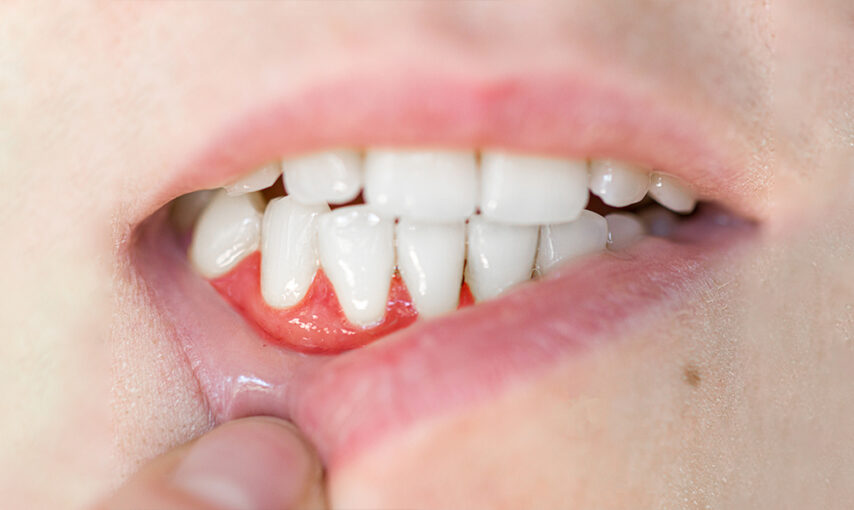
  • Gum Irritation: Whitening agents can sometimes irritate the gums, causing temporary discomfort or sensitivity. This is often due to the gel coming into contact with the soft tissues of the mouth during the procedure.
  • Gastrointestinal Irritation: Swallowing small amounts of the whitening gel or other materials used during the procedure can lead to temporary gastrointestinal irritation. It is pivotal to follow all safety guidelines provided by your dentist in Oak Lawn. 

Comparing Professional Whitening to At-Home Options

When considering options for teeth whitening near you, it is crucial to understand the differences between professional treatments and at-home options:

  • Cost: Professional teeth whitening tends to be more expensive upfront compared to at-home kits. However, it often provides more predictable and satisfactory results, making it a worthwhile investment for those looking for significant whitening improvement.
  • Longevity of Results: Professional whitening results can last longer than at-home options due to the higher concentration of whitening agents used and the expertise of dental professionals in ensuring thorough application.
  • Risk of Misuse: At-home whitening kits, if not used correctly, can lead to uneven whitening, gum irritation, or damage to tooth enamel. Professional supervision reduces these risks significantly. 

Conclusion

In conclusion, professional teeth whitening offers more than just aesthetic benefits; it’s a commitment to oral health and confidence. From personalized consultations to effective treatments, choosing professional care ensures safety and lasting results. Experience the expertise of professional dental care in Oak Lawn, where your smile’s health and beauty are prioritized. Book your appointment today at Family Dental Care – Oak Lawn. Achieve brighter teeth and a confident smile with us!

Previous Blog Post

Does sleep apnea make you feel like you can’t breathe, and how to resolve it?

Sleep apnea in Calumet City is a common disorder that affects many people. It causes interruptions in breathing during sleep. These interruptions can make you feel like you can’t breathe. Addressing sleep apnea disorder is important because it affects your health and quality of life. This article will help you understand sleep apnea, how it…

Read More

Sep 21, 2024

Teeth Cleaning and Gum Disease Prevention: What You Should Know?

Oral hygiene is more than just having fresh breath and a sparkling smile. It affects your entire body, as poor oral health can lead to systemic diseases. Effective teeth cleaning and gum disease prevention are fundamental to maintaining oral hygiene. You can actively improve your general health by realizing the significance of these behaviors.

Understanding Gum Disease

Gum or periodontal disease is an illness affecting the gums and the tissues that support the teeth. It starts with the development of bacteria in the mouth, which causes inflammation. If left untreated, this can cause serious gum damage and even lead to the loss of teeth.

  • Causes of Gum Disease: Gum disease primarily stems from inadequate oral hygiene practices that allow plaque—a sticky film of bacteria—to accumulate on teeth. Contributing factors include smoking, hormonal changes (such as during pregnancy), diabetes, medications reducing saliva flow, genetic predisposition, and certain illnesses like AIDS.
  • Early Signs and Symptoms to Watch For Early detection is crucial to effective treatment and preventing complications. Signs include:
  • Gum inflammation (redness and swelling)
  • Bleeding gums, especially during brushing or flossing
  • Persistent bad breath
  • Receding gums, exposing more of the tooth.
  • Development of deep pockets between teeth and along the gums
  • Loose or shifting teeth
  • Promptly scheduling a dental evaluation upon noticing these symptoms is essential for timely intervention and management.

Benefits of Regular Teeth Cleaning

In order to keep optimal oral health and stop gum disease, regular teeth cleaning—both at home and in a dental office, is essential.

  • Role of Professional Teeth Cleaning: Professional dental cleaning treatment by trained hygienists or dentists involves thorough plaque and tartar elimination from teeth and gums. This process, known as scaling and root planing, reaches areas difficult to clean with regular brushing and flossing alone.
  • How it Contributes to Gum Health: Professional teeth cleaning procedure:
  • Removes plaque and tartar, preventing bacterial growth that leads to gum inflammation.
  • Smoothes the surfaces of teeth, encouraging gum reattachment and making it more difficult for bacteria to stick.
  • Reduces the risk of tooth decay, contributing to overall oral health.
  • Professional tooth cleaning services are recommended every six months to support optimal gum health and long-term dental wellness.

Effective Home Care Practices

In addition to professional teeth cleaning, upkeeping a consistent daily oral hygiene routine is very important for preventing gum disease and preserving dental health.

Daily Oral Hygiene Routines: Effective oral care habits include:

  • Brush (2 times every day) with a soft-bristled toothbrush and fluoride toothpaste. This helps clean teeth’s surface and get rid of plaque and bacteria.
  • Flossing is essential every day to get rid of food particles and plaque from hard-to-reach places like the spaces between teeth and the gum line.
  • Using mouthwash with antimicrobial properties can reduce bacteria in the mouth, freshen your breath, and help prevent gum disease.

Choosing the Right Toothbrush and Toothpaste: Optimal oral care involves:

  • Selecting a toothbrush with soft bristles to gently clean teeth and gums without causing damage to enamel or irritation to gums.
  • Using fluoride toothpaste helps fortify tooth enamel and protects against decay by remineralizing teeth.
  • Consistently maintaining these practices effectively removes plaque, reduces gum disease risk, and promotes oral health.

Preventive Dental Visits

Tooth examinations regularly are necessary to address early oral health issues and prevent gum disease.

  • Monitor oral health by examining teeth, gums, tongue, and throat for signs of disease or decay.
  • Identify early signs of gum disease or dental issues before they progress.
  • Maintain dental hygiene by getting professional cleanings to remove plaque and tartar accumulation.
  • What to Expect During a Dental Visit: Typical dental appointments include:
  • Comprehensive examinations to assess oral health status.
  • Professional cleanings include polishing to eliminate surface stains and scaling to remove tartar and plaque.
  • Personalized oral hygiene advice tailored to individual needs, including brushing and flossing techniques.
  • Regular dental check-ups ensure teeth and gums remain healthy and timely treatment is received when necessary.

Healthy Habits for Gum Disease Prevention

Healthy lifestyle choices and dietary habits significantly prevent gum disease and promote oral health.

  • Diet Tips for Maintaining Oral Health: Optimal diet choices include:
  • Calcium-rich foods (e.g., dairy, leafy greens) to strengthen tooth enamel.
  • Vitamin C-rich foods ( for instance, citrus fruits and strawberries) promote gum health and reduce inflammation.
  • Consuming water removes food residue and balances out acids that damage teeth.
  • Lifestyle Habits that Support Gum Health: Adopting habits promoting oral hygiene and overall wellness:
  • Avoiding smoking and tobacco use to reduce gum disease risk.
  • Managing stress levels to support immune function and reduce gum inflammation.
  • Engaging in regular physical activity improves circulation, which benefits gum health.

Conclusion

Teeth cleaning and gum disease prevention are integral to optimal oral health. By understanding the causes and benefits of these practices, you can take active steps towards a healthier smile. Remember to prioritize regular dental check-ups and adopt healthy habits that support gum health to enjoy a lifetime of confident smiles.

Ready to Take Charge of Your Smile? Book Your Dental Check-Up Today!

Make an appointment for dental care at Family Dental Care – Munster to take control of your oral health right now. To keep your smile healthy and radiant, our team of committed dental professionals is committed to offering individualized treatment and thorough cleaning services.

Previous Blog Post

What can You Expect from a Professional Teeth Whitening Treatment?

In the search for a brighter smile, professional teeth whitening has come up as a popular choice among individuals seeking effective and lasting results. At Family Dental Care – Oak Lawn, professional in-house teeth whitening offers more than just cosmetic enhancement—it provides a tailored approach to dental care that ensures both safety and satisfaction. This…

Read More

Sep 16, 2024

How to Find an Emergency Dentist Near You: Tips and Resources

When a dental emergency strikes out of the blue, the need for quick and effective care becomes paramount. Imagine a sudden toothache or an unexpected broken tooth in the middle of the night. These situations require immediate attention to alleviate or relieve pain and prevent further complications. Knowing how to find an emergency dentist near you can make all the difference in these urgent scenarios.

Recognize Dental Emergencies

Identifying a dental emergency is the first step in seeking the right care. Common dental emergencies include:

  • Severe toothaches that don’t improve with pain relief
  • Broken or chipped teeth causing pain or sharp edges
  • Knocked-out teeth that need immediate reimplantation
  • Abscesses or infections that cause swelling, fever, or severe discomfort

These signs indicate you need to see a dentist in Evergreen Park immediately. Neglecting these issues can lead to more severe health problems. Don’t hesitate to seek help if you experience any of these symptoms.

Start with Your Regular Dentist

Your regular dentist should be your first call in a dental emergency. They know your dental history and can provide immediate advice or treatment. Many dental offices offer after-hours services or emergency contact numbers for urgent situations. It’s always a good idea to keep this information handy for unexpected emergencies.

If your regular dentist is unavailable, they may have recommendations for other local emergency dental services. Building a relationship with your dentist can ensure prompt and reliable care.

Use Online Resources and Directories

In today’s digital age, online resources and directories are valuable tools for finding an emergency dentist. Websites like Healthgrades, Zocdoc, and the American Dental Association’s Find-a-Dentist tool can help you locate nearby dental care. These platforms often include reviews, ratings, and contact information, making it easier to choose a reputable provider.

When using online listings, verify the credibility by checking for proper licensing and positive reviews. Look for dentists with a strong track record in emergency care. Trustworthy websites and apps can streamline your search and connect you with qualified professionals.

Seek Recommendations

Word-of-mouth recommendations can be incredibly useful. Ask family, friends, or neighbors about reliable emergency dentists. Personal experiences can provide insight or a glimpse into the quality of care and the dentist’s professionalism.

Community social media groups, such as local Facebook groups or Nextdoor, can also be helpful. Residents often share recommendations and experiences with local services, including emergency dental care. Engaging with these groups can lead to trustworthy referrals and support.

Check with Your Insurance Provider

Having the know-how of your insurance coverage is crucial when seeking emergency dental care. Reach out to us, your insurance provider, to determine which dentists in your area are in-network for emergency services. By doing this, you can reduce expenses and make sure you get the care you require without worrying about money.

Insurance companies often have directories of covered providers, making it easier to find an emergency dentist in Evergreen Park. Knowing your coverage details can save you time and money during a dental emergency.

Visit Local Hospitals and Clinics

In some cases, local hospitals and clinics can assist with dental pain, especially if you can’t immediately find an emergency dentist. Hospital emergency rooms can temporarily relieve severe pain or infections until you see a dentist. Some clinics offer emergency dental services, often at reduced costs or on a sliding scale.

While hospitals may not provide comprehensive dental treatments, they can address immediate pain and infection issues. Check with nearby hospitals and clinics to understand their dental emergency services.

Prepare for Your Visit

When you find an emergency dentist, preparing for your visit is essential. Bring necessary items such as:

  • Identification and insurance information
  • A list of any medications you’re taking
  • Details of your dental history and any ongoing issues

If you’re experiencing severe pain or swelling, follow these steps to manage your symptoms before your appointment:

  • Rinse your mouth with warm water
  • Apply a cold compress to reduce swelling
  • Take over-the-counter pain relievers as directed

Being prepared can ensure a smoother and more efficient visit, allowing the dentist to focus on providing the care you need.

Conclusion

Quick action is vital in dental emergencies to alleviate pain and prevent further complications. By recognizing dental emergencies, starting with your regular dentist, using online resources, seeking recommendations, checking with your insurance provider, visiting local hospitals and clinics, and preparing for your visit, you can find the right emergency dental care when you need it most. Don’t wait until an emergency happens to find a reliable emergency dentist near you.

Need an Emergency Dentist? Schedule Your Appointment Now!

At Family Dental Care in Evergreen Park, we’re here to support you in times of need. Don’t wait for an emergency to strike; book an appointment with our skilled team for preventive care. Visit our website or call us today to schedule your appointment and ensure you’re prepared for any dental emergency. We’re committed to your dental health and well-being.

Previous Blog Post

Teeth Cleaning and Gum Disease Prevention: What You Should Know?

Oral hygiene is more than just having fresh breath and a sparkling smile. It affects your entire body, as poor oral health can lead to systemic diseases. Effective teeth cleaning and gum disease prevention are fundamental to maintaining oral hygiene. You can actively improve your general health by realizing the significance of these behaviors. Understanding…

Read More

Sep 11, 2024

Dental Sealants for Cavity Prevention: How Effective Are They?

Dental sealants play a pivotal role in preventive dentistry, offering a straightforward yet effective method to ward off cavities. This blog explores dental sealants’ application, benefits, and maintenance, providing essential insights for those considering this proactive dental treatment. By understanding how sealants work and their significant impact on cavity prevention, individuals can make informed decisions about their oral health.

What Are Dental Sealants?

Dental sealants are thin, protective coatings employed on the chewing surfaces of molars and premolars. Composed of a resin material, they fill in the grooves of these teeth, developing a smooth surface that refrains bacteria and food particles from settling in and causing cavities. Sealants act as a barrier against decay, particularly in the back teeth, where brushing may be less effective. The application process is painless and non-invasive, offering a proactive approach to cavity prevention recommended for children and adults with deep tooth grooves.

Effectiveness in Cavity Prevention

  • Research underscores the effectiveness of dental sealants in preventing cavities, especially in children and adolescents. Sealants can minimize the risk of cavities by up to 80% in treated teeth. They achieve this by forming a protective barrier over the vulnerable areas of the teeth, where decay commonly begins. This makes them particularly valuable for protecting the back teeth, which are harder to reach with regular brushing.
  • Studies have shown that dental sealants significantly decrease the incidence of pit and fissure cavities, the most common types of cavities found in molars and premolars. Sealing off these areas, sealants inhibit the accumulation of plaque and food crumbs or debris, reducing the likelihood of decay.

Benefits of Dental Sealants

Dental sealants in Crestwood offer several key benefits, such as:

  • Enhances Oral Hygiene Effectiveness: Sealants create a smooth surface on teeth, making them easier to clean with regular brushing and flossing.
  • Safe and Non-toxic: Sealant materials are safe and non-toxic, posing no risk of allergic reactions or other adverse effects.
  • Versatility: Sealants can be applied to both primary (baby) and permanent teeth, providing comprehensive protection during critical developmental stages.
  • Long-term Protection: With proper care, sealants can last several years, providing ongoing protection against tooth decay.
  • Cost-effective: Sealants are more affordable than treating cavities or undergoing restorative dental procedures in the future.

Procedure for Applying Dental Sealants

The application of dental sealants involves several straightforward steps, such as:

  • Cleaning: The dentist in 60418 cleans the teeth thoroughly to remove any plaque and debris from the chewing surfaces.
  • Preparation: The teeth are dried, secluded, or isolated to ensure the sealant material adheres properly to the tooth enamel.
  • Application: The sealant material is put onto the chewing surfaces of the teeth. It flows into the pits and fissures and bonds or fuses with the tooth enamel, creating a protective shield.
  • Curing: A special curing light may harden the sealant and ensure it sets properly. This process helps the sealant to become durable and effectively seal off the tooth surface.
  • Evaluation: The dentist checks the sealants to ensure they are intact and properly sealed. Any excess material is trimmed and smoothed to ensure comfort and effectiveness.

The entire process is fast and painless, typically taking only a few minutes per tooth. Patients can resume normal activities instantly after the procedure, with sealants providing immediate protection against cavities.

Who Should Get Dental Sealants?

Dental sealants are recommended for several groups of individuals who can benefit from their cavity-preventing properties:

  • Children and Adolescents: Sealants are most efficient when applied soon after permanent molars and premolars eruption. Children and teenagers are particularly vulnerable to cavities during their formative years, making sealants an excellent preventive measure.
  • Individuals with Deep Tooth Grooves: People with deep pits and fissures on their teeth are more prone to cavity formation. Sealants provide additional protection in these hard-to-reach areas, reducing the risk of decay.
  • Patients with Orthodontic Appliances: Individuals undergoing orthodontic treatment often find cleaning their teeth difficult. Sealants can help protect teeth during this period when oral hygiene may be compromised.
  • Patients with Special Needs: Individuals with special needs or those with difficulty maintaining proper oral hygiene can benefit from tooth sealants to reduce the risk of cavities.
  • High-risk individuals: Those prone to dental cavities due to dry mouth (xerostomia), poor dietary habits, or certain medical conditions (e.g., diabetes) can benefit significantly from sealants.

Cost and Accessibility

  • Affordability: Dental sealants are cost-effective compared to the treatment of cavities. The upfront cost of sealants is generally lower than fillings or other restorative procedures.
  • Insurance Coverage: Many dental insurance plans pay for or cover the cost of sealants, especially for children and adolescents, as part of preventive dental care.
  • Availability: Sealants are widely available in dental practices that emphasize preventive care. Most dentists recommend sealants as part of routine dental visits for eligible patients.

Considerations and Limitations of Dental Sealants

When considering dental sealants as a preventive measure for cavity protection, it’s essential to be aware of several considerations and limitations:

  • Suitability for Specific Teeth: Sealants are most effective on permanent molars and premolars with deep pits and fissures. They may not be suitable for teeth without these features or those already affected by decay.
  • Timing of Application: Sealants are most beneficial when put or applied soon after the eruption of permanent teeth, typically during childhood and adolescence. Delayed application may reduce their effectiveness.
  • Not a Substitute for Oral Hygiene: Sealants complement but do not replace good oral hygiene practices. Regular brushing, flossing, and fluoride use remain crucial for overall oral health and cavity prevention.
  • Individual Response and Variability: The effectiveness of sealants can vary among individuals based on oral hygiene habits, diet, and genetic factors influencing cavity susceptibility. Regular evaluations by dental professionals help assess sealant effectiveness and the need for reapplication.

Maintenance and Care

Maintenance and care for dental sealants are straightforward and contribute to their longevity and effectiveness in preventing cavities. Here are key aspects to consider:

  • Regular Dental Check-ups: Book regular dental visits to the dentist in Crestwood for routine check-ups and evaluations of the sealants’ condition. Dentists can monitor their integrity and recommend any necessary touch-ups or reapplications.
  • Good Oral Hygiene Practices: Keep up a consistent oral hygiene routine, including brushing with a fluoride toothpaste and flossing daily. Proper brushing helps clean the sealed surfaces and is free of food particles and plaque buildup.
  • Avoid Chewing Hard Objects: Refrain from biting down on hard objects, such as ice cubes or pens, which can potentially damage the sealants. Using teeth for non-food purposes can compromise their effectiveness.
  • Regular Fluoride Use: Use fluoride-containing dental products, such as fluoride mouthwash or gel, as your dentist recommends. Fluoride helps strengthen tooth enamel and complements the protective barrier provided by sealants.
  • Monitor Sealant Integrity: Be mindful of any sealants’ appearance or texture changes. Notify your dentist promptly if you detect any chips, cracks, or wear which may indicate the need for repair or reapplication.

Conclusion

In conclusion, dental sealants are a valuable investment in long-term oral health, particularly effective in preventing cavities in vulnerable teeth. By forming a protective barrier against decay-causing bacteria, sealants offer a non-invasive and cost-effective solution for patients of all ages. Going for regular check-ups and proper oral hygiene are very important to ensuring the longevity and effectiveness of sealants. Schedule a consultation at Family Dental Care in Crestwood today to learn more about dental sealants and teeth protection.

Previous Blog Post

How to Find an Emergency Dentist Near You: Tips and Resources

When a dental emergency strikes out of the blue, the need for quick and effective care becomes paramount. Imagine a sudden toothache or an unexpected broken tooth in the middle of the night. These situations require immediate attention to alleviate or relieve pain and prevent further complications. Knowing how to find an emergency dentist near…

Read More

Sep 06, 2024

Signs You Need a Dental Filling: When to See Your Dentist?

Ensuring your oral health is crucial for a confident smile and overall well-being. Dental fillings are important in maintaining healthy teeth by treating cavities effectively. Understanding when to consider dental fillings can prevent further dental issues and preserve your natural smile.

Understanding Dental Fillings

Dental fillings are crucial treatments aimed at repairing teeth affected by decay. They are made to reinstate the tooth’s structure and function after cavity formation. Essentially, tooth fillings are materials dentists use to fill cavities or holes caused by tooth decay. These materials reinforce the tooth’s strength and integrity, allowing normal chewing and speaking abilities to resume comfortably.

Types of Dental Fillings:

  • Composite Resin Fillings: These are tooth-colored and blend seamlessly with natural teeth, making them ideal for visible areas.
  • Amalgam Fillings: Composed of an amalgamation or a blend of metals, amalgam fillings are durable and commonly used for filling cavities in molars and premolars.
  • Ceramic Fillings: Made from porcelain, ceramic fillings are highly resistant to staining and often used in or onlays.
  • Glass Ionomer Fillings: These release fluoride, which can help protect against further decay, and are frequently used for small fillings and in pediatric dentistry.

Role in Treating Cavities:

The primary objective of dental fillings is to halt the progression of tooth decay by restoring the tooth’s structure. By filling cavities, dentists prevent bacteria from infiltrating deeper layers of the tooth, thus averting the need for more serious or invasive treatments like root canals or teeth extractions.

Signs That You Might Need a Dental Filling

Early detection of dental decay is crucial for preventing further damage and ensuring optimal oral health. Here are common symptoms that could indicate the need for a dental filling:

  • Tooth Sensitivity: Sensitivity to hot, cold, or sweet foods and beverages is often an initial sign of enamel erosion or cavity development. When decay weakens the protective enamel layer, it exposes the sensitive dentin underneath, causing discomfort or pain localized to the affected tooth.
  • Visible Holes or Pits: The presence of visible holes, pits, or dark spots on your teeth’s surface can indicate decay. Cavities form when acids produced by bacteria gradually wear down the tooth structure. These visible signs suggest that decay has progressed, and prompt intervention is necessary to prevent further deterioration.
  • Pain or Discomfort: Persistent toothaches, particularly when eating or biting down, may signal advanced decay requiring a dental filling. The pain intensity can vary from dull to sharp, depending on the extent of decay and its proximity to the tooth nerve. Ignoring persistent pain increases the risk of complications like abscesses or the need for root canal treatment.
  • Bad Breath or Unpleasant Taste: Bacteria associated with cavities can generate foul-smelling gases or toxins, causing bad breath (halitosis) or an unpleasant or bad taste in the mouth. These persistent odors or tastes often indicate an ongoing dental issue, such as decay, which warrants professional evaluation and treatment.
  • Changes in Tooth Color: Discoloration, such as white, brown, or black spots on tooth surfaces, may indicate decay. These color changes occur as minerals are lost from enamel due to bacterial acid attacks. Detecting discoloration early and seeking timely dental care can prevent further spread of decay into deeper layers of the tooth.

Importance of Early Detection

Early detection of cavities offers numerous advantages for dental health and overall well-being. Here’s why early cavity detection is crucial:

  • Prevention of Further Damage: Addressing cavities in their early stages prevents them from progressing deeper into the tooth structure, potentially causing more severe damage or infections.
  • Preservation of Natural Teeth: Dental fillings preserve the natural structure of teeth by restoring their functionality, thus averting the necessity for extraction.
  • Cost-Effective Treatment: Treating cavities promptly with dental fillings is generally less costly and less invasive than delaying treatment, which might necessitate more complex procedures such as root canals or crowns.

Appropriate oral hygiene habits and routine dental examinations are necessary for the early detection and treatment of cavities.

When to See Your Dentist

Knowing when to arrange a dental appointment is crucial if you suspect you may require a filling. Here are guidelines for when to see your dentist:

  • Tooth Pain or Sensitivity: Persistent tooth pain or sensitivity to hot, cold, or sweet foods necessitates a dental evaluation.
  • Visible Signs of Decay: Detectable holes, pits, or changes in tooth color should prompt seeking professional dental care.
  • Issues with Recent Dental Work: Discomfort or alterations in existing dental fillings may indicate the need for replacement or additional treatment.
  • Routine Check-ups: Regular dental check-ups every six months aid in the early detection of cavities before they cause significant harm.

Prompt dental care guarantees timely treatment and prevents the development of cavities into more complex dental issues.

Treatment Process

Understanding the dental filling procedure can alleviate any concerns you may have regarding treatment. Here’s an overview of what to expect during a dental filling procedure:

  • Initial Examination: Your dentist in East Side Chicago will conduct an examination, which may involve X-rays, to determine the best course of action for treating the decay.
  • Anesthesia Administration: Local anesthesia is typically given to numb the area around the affected tooth making sure of a comfortable experience during the procedure.
  • Decay Removal: The dentist extracts the decayed tooth material with a dental drill or laser, conserving the healthy tooth structure.
  • Filling Placement: The tooth is restored to its original shape and function by being filled with the preferred dental filling material, such as amalgam or composite dental filling resin, in the cleaned cavity.
  • Shaping and Polishing: The filling is polished to a smooth finish that melds perfectly with your teeth’ natural contours.

The dental filling procedure is straightforward, effectively restoring the health and integrity of teeth while promoting long-term oral health.

Conclusion

Recognizing the signs that you might need a dental filling is essential for upkeeping oral health. Early detection and treatment with a dental filler for teeth can prevent further decay and more extensive dental procedures. If you notice any symptoms, schedule an appointment with your dentist to make sure your teeth stay healthy.

Think You Might Need a Filling? Schedule Your Appointment Today!

If you’re experiencing any symptoms of tooth decay or suspect you may need a dental filling treatment near you, contact Family Dental Care – Chicago today. Our skilled team of dentists is dedicated to providing compassionate care and effective treatments. Schedule your appointment now to ensure your smile remains healthy and vibrant.

Previous Blog Post

Dental Sealants for Cavity Prevention: How Effective Are They?

Dental sealants play a pivotal role in preventive dentistry, offering a straightforward yet effective method to ward off cavities. This blog explores dental sealants’ application, benefits, and maintenance, providing essential insights for those considering this proactive dental treatment. By understanding how sealants work and their significant impact on cavity prevention, individuals can make informed decisions…

Read More

Sep 01, 2024

How to Select the Correct Dental Implant Specialist?

Going to the best dental implant specialist is a pivotal decision for anyone considering dental implants. These innovative solutions not only restore missing teeth but also enhance oral health and confidence. At Family Dental Care – Calumet City, we understand the significance of selecting a qualified specialist who can deliver optimal outcomes with compassion and expertise. This guide explores essential criteria—from qualifications and experience to technology and patient reviews—to empower you in making an informed choice. 

Understanding Dental Implants

Before diving into how to choose a specialist, it’s essential to understand what dental implants are and how they work. Dental implants encompass titanium posts surgically inserted into the jawbone to replace missing tooth roots. These posts connect with the jawbone through a process called osseointegration, offering a stable anchor for artificial teeth including crowns, bridges, or dentures. 

Qualifications and Credentials to Look For

When evaluating potential implant specialists, their qualifications and credentials should be top priorities:

  • Education and Training: Ensure the specialist has graduated from an accredited dental school and holds relevant licenses to practice implant dentistry.
  • Specialized Training: Look for additional training specifically in implantology, preferably from reputable institutions or through recognized implant organizations.
  • Certifications: Membership in professional organizations like the American Academy of Implant Dentistry (AAID) indicates a commitment to always staying up-to-date with the latest developments in implant dentistry. 

Experience and Expertise

Experience plays an indispensable role in the success of dental implant procedures. Seek a specialist who has:

  • Years of Practice: Consider how long the specialist has been performing implant surgeries and their track record of successful cases.
  • Specialization: Some implant specialists may focus on specific types of implant procedures, such as single-tooth implants, full-mouth reconstruction, or implant-supported dentures. Select one whose expertise aligns with your specific dental needs. 

Dental Implant Procedures Offered

The range of implant procedures offered by a specialist reflects their versatility and ability to cater to diverse patient needs. Common implant procedures include:

  • Single Tooth Implants: Suitable for replacing a single missing tooth without affecting adjacent teeth.
  • All-on-4 Implants: Provides a full arch of teeth using only four implants, offering a quicker and more cost-effective solution for edentulous patients.
  • Implant-Supported Dentures: Combines the stability of implants with the convenience of dentures, enhancing comfort and functionality. 

Technology and Techniques

Advancements in dental technology have revolutionized implant dentistry, improving treatment precision and patient comfort. Look for an implant dentist in Calumet City who utilizes:

  • 3D Imaging: Enables detailed visualization of the jawbone and surrounding structures, aiding in precise implant placement.
  • CAD/CAM Technology: Allows for the making of custom-made prosthetics that fit seamlessly with natural teeth.
  • Minimally Invasive Techniques: Reduces surgical trauma and accelerates healing, promoting a more comfortable recovery experience. 

Patient Reviews and Testimonials

Patient feedback serves as valuable insights into a specialist’s reputation and quality of care. Consider:

  • Online Reviews: Read reviews on trusted platforms to gauge patient satisfaction and overall experiences.
  • Testimonials: Personal recommendations from friends, family, or acquaintances who have undergone implant treatment with the specialist. 

Initial Consultation and Communication

The initial consultation with the dentist in 60409 is an opportunity to assess their approach and communication style. During this visit, expect:

  • Comprehensive Evaluation: The specialist will examine your dental health, review your dental history, and talk about your treatment goals.
  • Clear Explanation: Receive detailed explanations of recommended treatment options, potential risks, and expected outcomes.
  • Patient-Centered Care: A specialist who listens attentively to your concerns and addresses them with empathy and respect fosters trust and confidence. 

Cost and Financing Options

Discussing costs and financing options upfront helps you plan for your dental implant treatment financially. Consider:

  • Transparent Pricing: Obtain a breakdown of costs associated with implants, surgical procedures, anesthesia, and follow-up care.
  • Insurance Coverage: Check if your dental insurance includes all or part of the implant treatment costs.
  • Financing Plans: Explore flexible payment options offered by the specialist, such as installment plans or third-party financing. 

Aftercare and Follow-Up Support

Post-operative care is pivotal for the success and longevity of your dental implants. Choose a specialist who provides:

  • Detailed Aftercare Instructions: Receive personalized guidelines on oral hygiene practices, dietary restrictions, and signs of potential complications.
  • Scheduled Follow-Up Appointments: Regular follow-up visits allow the dentists in Calumet City to monitor healing progress, assess implant stability, and address any concerns promptly.
  • Emergency Accessibility: Ensure that the specialist is accessible in case of emergencies or unexpected issues following implant surgery. 

Conclusion

In conclusion, selecting the right dental implant specialist requires careful consideration of qualifications, experience, patient feedback, and treatment options. Family Dental Care – Calumet City emphasizes the importance of transparency, communication, and personalized care throughout your implant journey. By choosing a specialist who prioritizes your oral health and well-being, you can confidently set out on a journey to preserve your smile with dental implants near you. Contact us today to schedule your consultation and take the initial step towards a lasting and beautiful smile.

Previous Blog Post

Signs You Need a Dental Filling: When to See Your Dentist?

Ensuring your oral health is crucial for a confident smile and overall well-being. Dental fillings are important in maintaining healthy teeth by treating cavities effectively. Understanding when to consider dental fillings can prevent further dental issues and preserve your natural smile. Understanding Dental Fillings Dental fillings are crucial treatments aimed at repairing teeth affected by…

Read More

How to Prepare for Your First Periodontal Screening
Aug 26, 2024

How to Prepare for Your First Periodontal Screening?

Periodontal health is a pivotal aspect of overall well-being, yet it’s often overlooked until problems arise. In this informative blog, we will uncover the significance of periodontal screening, why it’s essential to prepare for your first screening, and practical steps to navigate the process effectively. Whether you’re scheduling your first screening or simply curious about what to anticipate, this guide will provide valuable insights to help you prioritize your oral health. Let’s dive in!

What is a Periodontal Screening, and Why is it Important?

  • Periodontal screening involves assessing the health of the gums and supporting structures of the teeth. It’s a proactive approach to identifying early signs of gum disease, including inflammation, bleeding, and pocket formation around the teeth. Periodontal screening is typically conducted during routine dental check-ups, but it may also be recommended if you’re experiencing symptoms like gum swelling or persistent bad breath.
  • Preparing for your first periodontal screening is essential for several reasons. Firstly, it allows you to familiarize yourself with the process, reducing anxiety and uncertainty. Secondly, adequate preparation ensures that you provide accurate information to your dental team, facilitating a more thorough assessment of your periodontal health. Lastly, early detection of gum disease through screening can prevent further progression and complications, preserving your oral health in the long term.

Understanding Periodontal Disease

  • Before diving into the preparation process, let’s briefly discuss periodontal disease. Also known as gum disease, periodontal disease encompasses a range of conditions that affect the gums and supporting structures of the teeth. It typically begins with gingivitis, characterized by inflammation of the gums due to plaque buildup. If not treated properly, gingivitis can progress to periodontitis, hence leading to irreversible damage to the gums and bone surrounding the teeth.
  • Periodontal disease symptoms may include red, swollen gums, bleeding during brushing or flossing, receding gumline, and persistent bad breath. Several risk factors contribute to the development of gum disease, including poor oral hygiene, along with smoking, genetics, hormonal changes, and other medical conditions like diabetes.

Importance of Early Detection

Early finding of periodontal disease is critical for preventing further damage and preserving oral health. Untreated and unattended gum disease can result in tooth loss, bone loss, and systemic health issues such as heart disease and diabetes. By identifying signs of gum disease early on, your dental team can implement appropriate interventions to halt its progression and restore periodontal health.

Steps to Prepare for Your Screening

Preparing for your first periodontal screening is essential for ensuring a smooth and effective experience. Here are the steps you can take to prepare:

  • Schedule the Appointment: Contact your dental office to schedule your screening appointment. Choose a convenient time that fits into your schedule.
  • Gather Necessary Information and Documents: Before your appointment, gather any relevant medical history, dental records, or insurance information that may be needed during the screening. This ensures that your dental team comprehensively understands your oral health status.
  • Familiarize Yourself with the Process: Take some time to learn about what to expect during the screening process. This may involve researching online, asking friends or family members who have undergone similar screenings, or reaching out to your dental office for information.
  • Plan for Transportation: If you’ll be traveling to your appointment, make arrangements for transportation in advance. Ensure you have enough time to arrive without feeling rushed or stressed.

Preparing Mentally and Emotionally

It’s natural to feel some apprehension or anxiety before undergoing a dental screening. Here are some tips to help you prepare mentally and emotionally:

  • Addressing Anxiety or Fear: If you’re feeling anxious about the screening, don’t hesitate to communicate your concerns with your dental team. They are experienced in dealing with patients’ anxiety and can provide reassurance and support throughout the process.
  • Understanding the Importance of Oral Health: Remind yourself of the significance of keeping good oral health and how periodontal screening is crucial in preventing gum disease and other oral health issues.

Preparing Physically

In addition to mental and emotional preparation, there are also physical steps you can take to ensure you’re ready for your screening:

  • Maintaining Good Oral Hygiene Habits: Continue to brush and floss regularly leading up to your screening appointment. Good oral hygiene habits help to minimize plaque buildup and lessen the risk of gum disease.
  • Avoiding Certain Foods or Habits: In the days before your screening, try to avoid foods high in sugar or carbohydrates, as they can lead to plaque formation. Also, if you smoke or use tobacco products, consider abstaining before your appointment, as tobacco use is a prime risk factor for gum disease.

Questions to Ask Your Dentist

As you prepare for your first periodontal gum screening near you, it’s essential to have questions ready to ask your dentist or dental hygienist. Here are some inquiries to consider:

  • Clarifying the Screening Procedure: Ask your dental team to explain the periodontal screening process in detail. Understanding what to anticipate during the examination can help mitigate any anxiety or uncertainty you may have.
  • Inquiring About Treatment Options: Inquire about potential treatment options available if issues are identified during the screening. Understanding the available interventions and their implications can empower you to make informed decisions about your oral health.
  • Addressing Concerns About Gum Disease: If you’re worried about the possibility of gum disease, don’t hesitate to express your concerns. Your dentist can assess your risk factors, provide reassurance, and offer strategies for prevention and management.

What to Expect During the Screening?

Understanding what to expect during your first periodontal screening can help you feel more at ease.

  • Your appointment will start with a review of your medical and dental history, followed by a discussion of any symptoms like bleeding gums or pain. The dentist in Oak Lawn will then conduct a visual examination, checking for signs of inflammation, redness, and swelling in your gums.
  • A crucial part of the screening involves measuring the depth of the pockets lying between your gums and teeth using a special probe; healthy gums typically have depths of 1-3 millimeters. The dentist will also examine for gum recession and assess the mobility of your teeth to ascertain the health of the supporting bone structure. X-rays may be taken to provide a detailed view of your oral health.
  • After the check-up, the dentist will discuss their findings and recommend a tailored treatment plan to address any issues and maintain healthy gums.

What Are the Next Steps After the Screening?

After your first periodontal screening, there are several important next steps to consider to maintain optimal oral health:

  • Follow-Up Care Instructions: Your dental team will provide you with personalized follow-up care instructions based on the findings of your screening. This may include recommendations for oral hygiene practices, including best brushing and flossing techniques, as well as any specific measures to address gum disease or other oral health issues.
  • Scheduling Future Appointments: Depending on your screening results and any treatment recommendations, you may need to schedule future appointments for additional dental care. This could include follow-up screenings, professional cleanings, or treatment procedures to address gum disease or other oral health concerns.
  • Addressing Lifestyle Factors: Lifestyle factors like smoking, poor diet, and stress can impact gum health. Take active measures to address these factors and implement positive changes to support your overall well-being and oral health.

Conclusion

In conclusion, preparing for your first periodontal screening is essential for maintaining optimal oral health. By taking proactive steps to schedule your appointment, gather the necessary information, and prepare mentally and physically, you can ensure a smooth and effective screening experience. Remember that early detection of gum disease through screening can prevent further complications and preserve your smile for years. Don’t delay – schedule your periodontal gum screening at Family Dental Care – Oak Lawn today and prioritize your dental well-being for a healthier smile tomorrow.

Previous Blog Post

How to Select the Correct Dental Implant Specialist?

Going to the best dental implant specialist is a pivotal decision for anyone considering dental implants. These innovative solutions not only restore missing teeth but also enhance oral health and confidence. At Family Dental Care – Calumet City, we understand the significance of selecting a qualified specialist who can deliver optimal outcomes with compassion and…

Read More

Aug 21, 2024

Dental Bridges: Types, Procedures, and Benefits Explained

Dental bridges play a pivotal part in restoring smiles and oral function for individuals with missing teeth. Understanding the nuances of dental bridges, including their types, procedures, and benefits, is crucial for making informed decisions about oral health care. In this inclusive guide, we dive into the world of dental bridges, shedding light on everything you need to know to prepare for your journey toward a complete and confident smile. From the different types of bridges to the steps involved in their placement, let’s explore the intricacies of dental bridge treatment together.

Types of Dental Bridges

The different kinds of dental bridges are as follows:

Traditional Dental Bridges

The most and widely common type of dental bridge, traditional dental bridges, consists of one or more artificial teeth (pontics) supported by dental crowns on each side of the gap. These crowns are bonded onto the natural teeth adjacent to the space, ensuring the bridge is firmly anchored in place.

Cantilever Dental Bridges

Cantilever dental bridges resemble traditional bridges but are utilized when there are adjacent teeth on just one side of the gap. In such instances, the pontic is supported by a dental crown on only one side, offering a solution for gaps where there is only one neighboring tooth.

Maryland Bonded Bridges

Maryland bonded bridges, also referred to as resin-bonded bridges or Maryland bridges, employ a metal or porcelain framework which is attached to the backs of adjacent teeth using resin cement. Primarily utilized for front teeth, this bridge type offers a conservative option that maintains the structure of the neighboring teeth.

Implant-Supported Bridges

Implant-supported bridges are anchored in required place by dental implants instead of dental crowns or adjacent teeth. Implants are surgically inserted into the jawbone, offering a solid foundation for the bridge. An implant bridge is ideal for patients missing multiple teeth in a row or who prefer a more permanent solution.

Dental Bridge Procedure

The dental bridge procedure typically encompasses numerous steps to guarantee a precise fit and a natural-looking result:

Initial Consultation

The process usually commences with an initial consultation with your dentist. During this appointment, they will evaluate your oral health, discuss your treatment goals, and ascertain if a dental bridge is the right option for you.

Preparing the Abutment Teeth

For individuals receiving a traditional or cantilever bridge, the subsequent stage encompasses preparing the abutment teeth, which are the natural teeth next to the gap where the bridge will be positioned. Your dentist will give local anesthesia to numb the area before reshaping the abutment teeth to accommodate dental crowns.

Taking Impressions

Once the abutment teeth are prepared, impressions or digital scans of your teeth and gums are taken. These impressions are used to create a custom-made dental bridge that fits your mouth perfectly.

Temporary Bridge Placement

While your permanent bridge is being constructed, your dentist might opt to place a temporary bridge to safeguard the exposed teeth and gums. This temporary bridge will be taken out once the permanent bridge is prepared.

Fabricating the Dental Bridge

The impressions or scans obtained during your initial appointment are forwarded to a dental laboratory, where proficient technicians create your personalized dental bridge. This procedure may span a couple of weeks, during which you might wear a temporary bridge.

Fitting the Permanent Bridge

After your permanent bridge is prepared, you will revisit the dentist’s office for its installation. Your dentist will check and evaluate the fit and appearance of the bridge, making any required adjustments before securely cementing it into place.

Final Adjustments

After the tooth bridge is cemented, your dentist will make final adjustments to make sure it fits comfortably and functions correctly. This may involve checking your bite and making any necessary modifications to the bridge.

Post-Procedure Care Instructions

Your dentist will offer you post-procedure care instructions to help you take care of your new dental bridge. This may include proper oral hygiene practices, dietary restrictions, and scheduling follow-up appointments for routine check-ups and maintenance.

Benefits of Dental Bridges

Dental bridges offer several advantages for patients missing one or more teeth, such as:

  • Restored Functionality: Dental bridges enable individuals to bite, chew, and speak normally, enhancing oral function and overall well-being.
  • Enhanced Aesthetics: By filling in gaps caused by missing teeth, bridges restore a natural and attractive smile, boosting self-confidence.
  • Bone Preservation: Bridges help preserve jawbone structure by replacing missing teeth and providing support to surrounding tissues.
  • Minimal Invasive Procedure: Unlike dental implants, which require surgery, bridges involve minimal invasion and can often be completed in fewer appointments.
  • Immediate Results: Patients can experience immediate results with dental bridges, enjoying a restored smile and improved oral function shortly after placement.

Aftercare for Dental Bridges

Maintain Good Oral Hygiene

  • Brush your teeth two times daily while using a soft-bristled toothbrush and fluoride toothpaste.
  • Floss daily to eradicate plaque and food particles from around the bridge and underneath it.

Regular Dental Check-ups

  • Arrange regular dental appointments every six months for professional cleanings and examinations.
  • Your dentist in Munster will assess the condition of your bridge and address any concerns or issues.

Avoid Hard or Sticky Foods

  • Minimize consumption of hard, crunchy, or sticky foods that may damage or dislodge the bridge.
  • Opt for softer foods and cut larger items into smaller, bite-sized pieces to reduce stress on the bridge.

Be Mindful of Oral Habits

  • Avoid habits such as biting nails, chewing ice, or utilizing teeth to open packages, as these can damage the bridge.
  • If you grind or clench your teeth, consult your dentist about using a nightguard to safeguard the bridge.

Maintain Overall Health

  • Follow healthy lifestyle habits, including a balanced diet, regular exercise, and avoiding tobacco products.
  • Good overall health contributes to better oral health and can help prolong the lifespan of your dental bridge.

Potential Risks and Complications

  • Despite their many benefits, dental bridges carry some risks, including bridge failure, gum disease, tooth decay, and other complications.
  • Patients should be aware of these risks and follow their dentist’s recommendations for maintaining optimal oral health.

Cost Considerations

Navigating the financial elements of dental care is an integral part of planning for dental bridge treatment. Let’s dive into the factors that influence the cost of dental bridges and how patients can approach this aspect of treatment.

  • Bridge Type: The type of dental bridge selected can significantly impact the overall cost. Traditional bridges are generally more cost-effective compared to implant-supported bridges due to variations in materials and complexity.
  • Material Choice: The materials used in constructing the bridge, such as porcelain, metal alloys, or a combination of both, can affect the cost. Porcelain bridges generally cost more than metal-based options but offer enhanced aesthetics.
  • Number of Teeth: The number of teeth being substituted by the bridge will influence the cost. Bridges spanning multiple teeth or requiring additional support may incur higher expenses.
  • Dental Insurance Coverage: Dental insurance policies may provide coverage for a part of the cost of dental bridges, thereby lessening the financial burden for patients. However, coverage limits, deductibles, and waiting periods may apply.
  • Long-Term Value: While initial costs are important to consider, it’s essential to weigh the long-term value of dental bridges. Investing in a durable, high-quality bridge can offer lasting benefits in terms of oral health, function, and aesthetics.

Conclusion

Dental bridges are a versatile and efficient solution for replacing missing teeth and reinstating oral function and aesthetics. By understanding the different types of bridges, the procedures involved, and the benefits they offer, patients can make educated choices about their oral health care. With proper aftercare and regular dental check-ups, dental bridges can provide long-lasting results and improve overall quality of life. If you’re considering dental bridge treatment near you, schedule a consultation with Family Dental Care – Munster to explore your options and achieve a healthy, beautiful smile.

Previous Blog Post

How to Prepare for Your First Periodontal Screening

How to Prepare for Your First Periodontal Screening?

Periodontal health is a pivotal aspect of overall well-being, yet it’s often overlooked until problems arise. In this informative blog, we will uncover the significance of periodontal screening, why it’s essential to prepare for your first screening, and practical steps to navigate the process effectively. Whether you’re scheduling your first screening or simply curious about…

Read More