Category: Blog

Nov 06, 2025

Gaps in Your Smile? Dental Implants in Chicago Can Fix That

Healthy teeth do more than brighten your smile—they let you chew comfortably and speak clearly. When one or more are missing, everyday routines can feel off balance. If you’re exploring modern ways to rebuild your smile, dental implants in Chicago offer a stable, long-term solution that’s designed to look, feel, and function like natural teeth.

What Exactly Is an Implant?

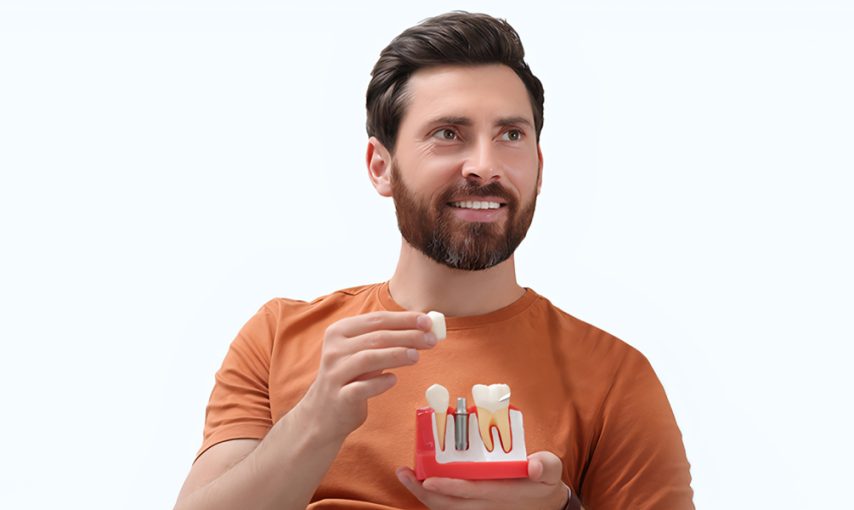
An implant is a small, biocompatible post placed in the jawbone to act like a tooth root. Over several weeks, bone bonds to the post in a process called osseointegration, creating a secure foundation for a crown, bridge, or denture. Because the restoration is anchored to bone, you avoid the wobble and sore spots common with traditional removable options, and neighboring teeth aren’t shaved down for support.

Who Makes a Good Candidate?

You’re generally a strong candidate if you have healthy gums, adequate bone volume, and no uncontrolled medical conditions that slow healing. Non-smokers typically heal faster, but many smokers still qualify with tailored care. If bone is thin, grafting can prepare the site. Your dentist will review medications, scan your jaws, and map nerves and sinuses to plan a precise, safe placement.

Step-By-Step: Dental Implant Surgery

Treatment usually happens in stages. First, the implant is placed under local anesthesia with or without sedation for comfort. A small cover or healing abutment protects the site as bone integrates. After healing, a connector is attached and an impression guides the custom crown that matches your color and shape. Many patients return to daily routines within a day or two, following soft-food and hygiene instructions to support recovery.

When You Need a Full-Arch Solution

If many or all teeth are failing, full mouth dental implants can anchor a fixed bridge or snap-on prosthesis. This approach spreads chewing forces across several implants, improving stability and helping preserve bone shape. People often report clearer speech, stronger biting, and less sore-spot irritation compared to conventional dentures.

Weighing Comfort, Function, and Longevity

Implants are designed to feel natural when you smile, laugh, and eat. With consistent brushing, flossing, and professional cleanings, they can last for decades. Crowns may need replacement after years of wear, much like a natural tooth’s filling or cap. Nightguards protect your new bite if you clench or grind, and routine checkups keep tissues healthy.

Finding the Right Team

If you’ve been typing dentist near me to start your search, look for training in implant planning, 3D imaging, and restorative design. Reviews can show how a practice communicates, manages comfort, and handles follow-up. Many offices offer flexible scheduling and transparent timelines so you can plan around work and family.

Local Expertise Matters

Working with a dentist in Chicago can simplify every step—from advanced imaging to lab coordination—so your visits are efficient. Urban practices often collaborate closely with on-site or nearby labs, helping refine shade and fit for a result that blends with your smile and facial features.

Considering a Single-Tooth Option?

Replacing one missing tooth prevents neighbors from drifting and keeps your bite balanced. If you’ve searched tooth implant near me, you’re likely comparing options with small bridges. An implant avoids trimming adjacent teeth, which helps preserve natural enamel while providing a lifelike crown that emerges from the gums like the real thing.

Comparing Local Choices

Shoppers often compare timelines, technology, and maintenance plans by looking up dental implants near me. Ask about digital scanning versus goopy impressions, temporary tooth options during healing, and how emergencies are handled after hours. Clear answers signal a team that values comfort and communication.

Cost, Safety, and Healing Tips

Fees vary with the number of teeth restored, grafting needs, and materials. Many practices provide phased treatment and financing. Safety is paramount: sterile technique, precise imaging, and careful medical screening reduce risks such as infection or implant loosening. After placement, stick to cool, soft foods, avoid smoking, and keep the area clean per instructions. Call promptly if swelling, pain, or bleeding seems unusual.

Ready to Take the Next Step?

Your smile should feel strong, look natural, and suit your lifestyle. If you’re evaluating options, a thorough consultation will clarify candidacy, timing, and design so you can move forward confidently. For compassionate, comprehensive care in the city, schedule a visit with Family Dental Care – Chicago to explore a personalized plan that fits your goals.

Previous Blog Post

Crooked Teeth? See How Invisalign in Crestwood Can Help

A confident smile doesn’t need brackets and wires. Today’s clear trays can guide teeth into better alignment with less disruption to everyday life. At Family Dental Care – Crestwood, we start with a careful exam, a conversation about goals, and a plan that fits your schedule. If you’ve been weighing options for invisalign in Crestwood,…

Read More

Nov 01, 2025

Bid Adieu to Toothache with Root Canal Therapy

There’s nothing quite as distracting as tooth pain. It can creep up when you’re trying to enjoy a meal, focus at work, or get some rest. Many people fear hearing the words “you need a root canal”, but the truth is, this treatment is one of the best ways to save your natural tooth and end that discomfort for good. If you’re from the area and have been searching for root canal therapy in Calumet City, this guide will help you with that, from what to expect, why it’s needed, to how it can transform your dental health.

What Is Root Canal Therapy?

A root canal therapy treatment may sound intimidating, but it’s actually a straightforward procedure designed to relieve pain. When the inside of your tooth (the pulp) becomes infected or inflamed, it causes sensitivity, swelling, or even throbbing pain.

Instead of pulling the tooth, your dentist carefully removes the infected tissue, cleans the area, and seals it. This not only saves your tooth but also restores normal function.

Key benefits of a root canal include:

  • Ending toothache and sensitivity
  • Saving your natural tooth from extraction
  • Preventing the spread of infection
  • Restoring chewing strength

Signs You Might Need a Root Canal

Toothaches come and go, but certain symptoms are strong indicators that you may need this treatment. Don’t ignore these red flags:

  • Sharp or lingering pain when eating or drinking
  • Darkening or discoloration of the tooth
  • Swollen gums around one tooth
  • Pimples or bumps on the gum line
  • Pain when you apply pressure while chewing

If you notice these, it’s best to schedule an exam with a dentist near you as soon as possible.

Step-by-Step Root Canal Procedure

Having a know-how of what happens during a root canal procedure can calm a lot of nerves. Here’s how your appointment typically unfolds:

  1. Numbing the area – Local anesthesia ensures you stay comfortable.
  2. Creating a small opening – The dentist reaches the infected pulp through the top of the tooth.
  3. Cleaning and disinfecting – The infected tissue is removed, and the area is carefully sterilized.
  4. Filling the canal – A safe, biocompatible material seals the cleaned space.
  5. Reinstating the tooth – A crown or filling is put or placed to protect and strengthen your tooth.

Most patients are surprised at how quick and painless the procedure feels compared to their expectations.

Myths vs. Facts About Root Canal Therapy

There are plenty of misconceptions that keep people from getting timely care. Let’s clear up some of the most common ones:

  • Myth: Root canals are extremely painful.
  • Fact: Modern dentistry makes the procedure nearly as comfortable as getting a filling.
  • Myth: It’s better to just pull the tooth.
  • Fact: Saving your natural tooth helps maintain your bite, speech, and appearance.
  • Myth: Root canals don’t last.
  • Fact: With proper care, treated teeth can last a lifetime.

Recovery and Aftercare Tips

Healing after a root canal is usually smooth, but you can take a few steps to make it even easier:

  • Avoid chewing on the treated side until your crown is placed.
  • Stick with softer foods for the first few days.
  • Brush and floss like you usually do to keep the area clean.
  • Take over-the-counter pain relief if needed.
  • Schedule follow-up appointments to ensure your tooth heals properly.

With the right care, your tooth feels strong and natural again in no time.

Why Choose a Dentist in Calumet City?

When looking for root canal therapy near you, it’s important to choose a provider who understands both your dental needs and your concerns about comfort. A dentist in Calumet City combines advanced technology with a caring approach, ensuring every step of your treatment is smooth and stress-free.

You’ll have peace of mind knowing you’re in skilled hands, whether you need preventive cleanings, cosmetic improvements, or restorative care.

Other Services That Support Your Smile

Along with root canals, many practices also provide other treatments to keep your teeth healthy and looking great. For example, patients often explore:

  • Dental implants – Long-term replacements for missing teeth
  • Teeth whitening – Make your smile bright, safely and effectively
  • Emergency dentist services – Fast relief when accidents happen
  • Cosmetic dentistry – Options like veneers and bonding for a confident smile

These services work hand in hand with restorative care to give you a smile you can trust every day.

Conclusion

Tooth pain doesn’t have to control your life. With root canal therapy, you can say farewell to discomfort and save your natural tooth. Choosing the right dentist makes all the difference. At Family Dental Care – Calumet City, IL, patients receive gentle, effective care designed to protect their oral health and reinstate confidence in their smile.

If you’ve been putting off treatment, now is the perfect time to take the first step toward relief.

Don’t wait until the pain becomes unbearable. Schedule your appointment today and experience the difference in expert care. Whether you’re looking for a root canal procedure or preventive services, a trusted team is ready to help you smile with comfort again.

Previous Blog Post

Gaps in Your Smile? Dental Implants in Chicago Can Fix That

Healthy teeth do more than brighten your smile—they let you chew comfortably and speak clearly. When one or more are missing, everyday routines can feel off balance. If you’re exploring modern ways to rebuild your smile, dental implants in Chicago offer a stable, long-term solution that’s designed to look, feel, and function like natural teeth….

Read More

Oct 26, 2025

What to Know Before Getting Your Teeth Reshaped in Oak Lawn

Getting your teeth reshaped can be a subtle but powerful way to improve your smile. If you’ve been Googling tooth reshaping near me, you’re probably looking for a safe and simple way to fix small imperfections like chips, uneven edges, or slightly misshapen teeth. And if you’re in Oak Lawn, you’re in luck—there are great options available, and this guide will walk you through what to expect.

First, What Is Tooth Reshaping?

Tooth reshaping—also known as tooth contouring—is a cosmetic dental procedure that gently removes small amounts of enamel to change a tooth’s shape, length, or surface. It’s quick, painless, and often completed in a single visit.

This is not a one-size-fits-all solution, though. It works best for people with minor cosmetic issues. Think small chips, pointy teeth, or slight overcrowding. If you have bigger concerns like deep cracks or alignment problems, other treatments may be better suited for you.

Reasons People Choose Tooth Reshaping

This type of cosmetic work is more common than you might think. People choose it for many reasons:

  • Fix Minor Chips: No more hiding your smile in photos.
  • Smooth Uneven Teeth: Gives a more balanced look to your front teeth.
  • Correct Slight Overlapping: Makes your smile appear straighter.
  • Improve Bite: If one tooth is just a bit too long, reshaping can fix that.

Here’s a quick list of common concerns reshaping can help with:

  • Slightly crooked teeth
  • Irregular tooth length
  • Small pits or grooves
  • Overlapping edges
  • Minor damage from wear and tear

Is It the Same as Cosmetic Bonding?

Nope, not quite. While dental contouring and bonding are often done together, they’re different procedures.

  • Contouring removes a small portion of your enamel to shape the tooth.
  • Bonding adds a tooth-colored resin to repair chips or add length.

Some people get both in one visit—it’s a great combo for a quick smile fix.

The Process: What to Expect

You’re probably wondering: Does it hurt? The answer is almost always no. Since enamel doesn’t have nerves, reshaping doesn’t usually require anesthesia.

Here’s how it typically goes:

  1. Initial Exam

Your dentist will examine your teeth and maybe take X-rays to make sure your enamel is thick enough for reshaping.

  1. Shaping the Tooth

They’ll use a small drill or sanding tool to carefully remove enamel where needed. It’s fast—each tooth only takes a few minutes.

  1. Polishing

Once the shape looks right, the tooth is smoothed and polished for a natural look.

Done and done. You’ll walk out with an improved smile the same day.

Are You a Good Candidate?

Tooth reshaping isn’t for everyone. Here’s how to know if you’re a good fit:

  • You have healthy gums and teeth.
  • You want to fix minor cosmetic flaws.
  • Your enamel is thick enough.
  • You’re not looking for dramatic changes.

If your issues are more structural, you might need braces, veneers, or other dental work instead. That’s why a consult with a cosmetic tooth contouring expert is key.

Pros and Cons: Keep It Real

Before you commit, weigh the good and the not-so-good. Here’s a breakdown to help:

Pros:

  • Painless and fast
  • Affordable
  • Immediate results
  • No recovery time
  • Non-invasive

Cons:

  • Only fixes small issues
  • Can’t be undone once enamel is removed
  • Not suitable for weak or thin enamel

Remember, once enamel is gone, it doesn’t grow back. Always work with a trusted dentist in Oak Lawn to make sure it’s the right move for your smile.

Aftercare Tips

The good news? You won’t need downtime. But here’s how to keep your reshaped teeth in top condition:

  • Avoid biting hard objects: Like pens or fingernails.
  • Brush and floss daily: No skipping!
  • Use non-abrasive toothpaste: Protect that polished surface.
  • Keep up with dental checkups: Catch any issues early.

Tooth reshaping is low-maintenance, but keeping your mouth healthy is always the goal.

Frequently Asked Questions

Can reshaping cause sensitivity?

It’s rare, but some people feel a little more sensitivity after the procedure. It usually goes away within a few days.

How do I know if my toothache is from a cavity or something else?

The changes are subtle but noticeable enough to give you a more balanced smile. Think of it like a natural upgrade.

How much does it cost?

It depends on how many teeth you’re reshaping. It’s one of the more affordable cosmetic dental procedures out there.

Personal Story Time

Jessica, a 29-year-old from Oak Lawn, had one front tooth that was just a bit longer than the other. She always covered her mouth when she laughed. One 30-minute appointment later, her smile looked more even—and her confidence shot up.

“I didn’t think something so small would matter,” she said. “But now I smile without thinking about it.”

Quick Takeaways:

  • Works best for small imperfections
  • Fast and painless
  • Affordable and effective
  • Can boost confidence
  • Consult a professional to be sure it’s right for you

Wrapping It Up

If you’re considering tooth reshaping, take the time to understand what the procedure involves and whether it’s right for your smile goals. In the hands of an experienced provider like Family Dental Care™️, the results can be subtle but impactful.

Explore your options, ask questions, and don’t rush the decision. When done for the right reasons, reshaping can be a game changer.

Previous Blog Post

Bid Adieu to Toothache with Root Canal Therapy

There’s nothing quite as distracting as tooth pain. It can creep up when you’re trying to enjoy a meal, focus at work, or get some rest. Many people fear hearing the words “you need a root canal”, but the truth is, this treatment is one of the best ways to save your natural tooth and…

Read More

Oct 21, 2025

How Dental Mouth Guards Help with TMJ and Jaw Pain

Your jaw should feel relaxed when you wake up and again when you wind down for the night. Unfortunately, many neighbors clench or grind without ever noticing, and the constant strain often triggers headaches, tooth wear, or joint inflammation. That is why mouth guard services in Munster have become a trusted first line of defense for residents searching for genuine, long-term relief. A custom-fitted guard cushions the bite, eases muscle tension, and prevents enamel damage while you sleep, sparing you from costly restorative work later, or morning jaw soreness.

Understanding TMJ and Bruxism

The temporomandibular joint (TMJ) acts like a sliding hinge where your lower jaw meets the skull. When it is overworked by grinding—also known as bruxism—the joint may pop, ache, or even lock. At Family Dental Care – Munster, we craft each dental mouth guard to cushion the bite, guide the jaw into a neutral position, and give hard-working muscles a break. Regular use promotes deeper sleep, reduces morning fatigue, and shields dental work from cracks. Many patients experience clearer speech, easier chewing, and renewed confidence after a week of nightly wear.

Why a Dental Mouth Guard Works

A custom device slips over the top teeth and creates a slim barrier. By evening out bite forces, it prevents enamel cracks and lets inflamed ligaments settle. Many patients wear a night guard for teeth only while they sleep and notice easier mornings within weeks.

Key benefits at a glance

  • Reduces morning headaches by relaxing over-tight facial muscles
  • Protects crowns, veneers, and natural enamel from wear
  • Encourages healthier, more restful sleep by easing subconscious tension

Finding the Right Fit Near You

Search engines will offer dozens of clinics, yet not every provider invests in digital scans and precise lab work. When you type mouth guard services near me, look for offices that:

  • Use 3-D imaging rather than messy putty impressions.
  • Offer chairside adjustments after delivery.
  • Educate you on cleaning and replacement timelines.

Quality matters; a poorly balanced appliance can shift teeth or worsen muscle strain.

Partnering with a Skilled Provider

Choosing the right dentist in Munster means selecting someone who listens to your symptoms and tailors treatment. During your consultation, you can expect:

  1. A detailed health history and muscle exam
  2. Intra-oral scans that map every ridge of your bite
  3. A discussion on material options—acrylic for durability, softer polymers for comfort
  4. Clear instructions on wearing schedules and follow-up checkpoints

Caring for Your Custom Guard

Maintenance is simple but essential. Rinse the device in lukewarm water after each use, then brush it gently with non-abrasive cleanser. Store it in a ventilated case so it dries thoroughly. Once a week, soak it in an effervescent denture-cleaning tablet to keep odors away. Bring the guard to all recall visits so your dentist can inspect for wear. Avoid hot water, which can warp the plastic, and keep pets from chewing it accidentally.

Cost, Insurance, and Long-Term Value

Out-of-pocket fees vary based on materials and lab complexity, but insurance often covers a portion under “orthotic therapy” or “occlusal device” codes. Even when plans do not contribute, patients find the investment outweighed by savings on cracked fillings, chronic pain therapy, and lost productivity. A well-made guard typically lasts three to five years. Flexible payment plans, health savings accounts, or manufacturer rebates can soften costs for budget-conscious families.

When to Seek Additional Help

If your appliance feels loose, generates new soreness, or if you notice continued clicking after several weeks, schedule a review. Sometimes, a slight reshaping or switching to a dual-laminate material solves the problem. Rarely, advanced TMJ cases may need joint imaging or referral to an oral surgeon; timely communication keeps care on track. Persistent earaches, limited mouth opening, or shifting bite patterns are red flags worth prompt evaluation.

Take the Next Step Toward a Healthier Jaw

Jaw pain and tooth damage do not have to be a lifelong struggle. A thoughtfully fitted oral guard can reset the way your bite works, giving muscles a chance to rest and joints room to heal. Schedule a consultation, ask questions, and commit to nightly use. Relief—often profound—is closer than you think.

Previous Blog Post

What to Know Before Getting Your Teeth Reshaped in Oak Lawn

Getting your teeth reshaped can be a subtle but powerful way to improve your smile. If you’ve been Googling tooth reshaping near me, you’re probably looking for a safe and simple way to fix small imperfections like chips, uneven edges, or slightly misshapen teeth. And if you’re in Oak Lawn, you’re in luck—there are great…

Read More

Oct 16, 2025

How Dental Sealants Protect Your Teeth from Bacterial Cavities

Tiny grooves on your molars invite trouble. Bacteria settle, sugars stick, and cavities follow. When you want a simple fix that lasts for years, tooth sealants in Evergreen Park create a smooth barrier that stops decay before it starts. The quick, painless procedure takes only minutes, yet it shields vulnerable chewing surfaces through countless meals, giving both children and adults peace of mind and fewer future dental visits annually.

What Are Sealants and How Do They Work?

Tooth enamel feels hard, yet microscopes reveal a landscape filled with pits. Food debris lodges deep in those crevices. Once plaque takes hold, brushing can’t reach every nook. A sealant flows into the microscopic valleys, then bonds under a curing light. That clear or white resin acts like a raincoat, locking out germs and sugar. Because it bonds chemically, it resists normal chewing forces and lasts five to ten years with routine oral care.

Are They Just for Kids?

Children gain the biggest benefit since their newly erupted molars have the deepest pits. But adults with stain-prone fissures or a history of fillings can avoid more drilling by sealing healthy teeth now. The Centers for Disease Control notes that sealed molars develop 80 percent fewer cavities in the first two years and 50 percent fewer up to four years later. Those numbers translate to fewer injections, shorter appointments, and lower costs over a lifetime.

Your Search Ends Here

If you find yourself typing dental sealants near me at midnight while your child complains about sensitive teeth, you want fast answers. Look for an office that uses BPA-free resin, offers evening appointments, and explains after-care in plain English. Also, ask about warranties that cover repairs if the layer chips within a set period.

A Closer Look at Tooth-Colored Shields

Dentists grade sealants by their filler content and flow rate. Highly filled materials resist wear but spread less readily. New “smart” resins release fluoride when acid attacks, adding another layer of defense. The light-cured versions harden in seconds, so young patients spend minimal time with their mouths open. Hygienists can even seal premolars if grooves look deep, further widening the defense zone.

Step-by-Step Application: Dental sealant procedure

  1. Clean – The clinician polishes each molar with a rotating brush to remove plaque.
  2. Isolate – Cotton rolls keep the tooth dry; moisture weakens bonding.
  3. Etch – A gentle acid gel roughens the surface for better adhesion.
  4. Rinse and Dry – A brief rinse removes the etch, and compressed air leaves a chalky surface.
  5. Apply and Cure – The liquid resin flows into the groove and sets under a blue LED in 20 seconds.
  6. Check the Bite – The dentist verifies that upper and lower teeth meet comfortably.

Patients feel no pain and need no anesthetic. They can eat right away, although sticky candy can tug at the fresh coating and should stay off the menu for the first day.

Why This Simple Layer Works

  • Barrier effect: The sealant blocks fermentable carbs from touching enamel.
  • Smoothness: Bacteria find little to cling to, reducing plaque mass.
  • Fluoride synergy: Daily toothpaste use strengthens the sealed surface at the margins.
  • Economy: One sealant costs less than one-third of a small filling.

Short appointments and minimal discomfort boost acceptance among anxious patients, while parents appreciate fewer school absences.

Beyond Molars: Expanded Protection

Some offices bundle sealants with fluoride varnish during school vacation clinics. A combined approach cuts cavity rates by nearly 60 percent, according to recent journal data. For orthodontic patients, placing a thin layer on the back of the front teeth shields areas that braces make hard to clean. Pregnant patients with nausea-induced acid exposure may benefit as well.

Comprehensive Care Under One Roof

High-quality dental sealant services are often linked with nutritional counseling, digital X-rays, and custom sports guards. When your provider looks at the “why” behind decay, you gain insight into diet, saliva flow, and home-care tools. Many offices schedule sealants and cleanings together so families make only one trip.

Choosing Your Oral Health Partner

Skill matters, but so does comfort. When selecting a dentist in Evergreen Park, visit the practice website, read verified reviews, and tour the office if possible. Ask how many sealant cases the hygienists complete each week, and whether magnification loupes guide placement. Clear answers build trust and signal a commitment to precision.

Care and Maintenance Tips

  • Brush twice daily with a soft-bristled dental brush and fluoride paste.
  • Floss every night to protect unsealed surfaces.
  • Skip chewing ice or pens that may chip the resin.
  • Schedule six-month exams so the dentist can touch up edges as needed.
  • Request replacement if a sealant looks thin or worn; quick re-application keeps the barrier strong.

Cost and Insurance Facts

Most dental plans cover sealants on children’s molars at 100 percent until age 14, yet adults often pay out of pocket. Still, one small preventive fee beats the cost of a composite filling or, worse, a root canal. Health Savings Accounts count sealants as an eligible expense.

Final Thoughts

Cavities rank as the most common chronic dental disease, yet they remain almost entirely preventable. A thin resin layer installed in a single visit can spare you drilling, pain, and unexpected bills. Family Dental Care – Evergreen Park welcomes questions and explains each step so you feel confident in every decision. When you guard enamel early, you invest in a future filled with healthy smiles—no matter how sweet life gets.

Previous Blog Post

How Dental Mouth Guards Help with TMJ and Jaw Pain

Your jaw should feel relaxed when you wake up and again when you wind down for the night. Unfortunately, many neighbors clench or grind without ever noticing, and the constant strain often triggers headaches, tooth wear, or joint inflammation. That is why mouth guard services in Munster have become a trusted first line of defense…

Read More

Oct 11, 2025

How Root Canal Therapy Helps Save Your Tooth and Protect Oral Health

Tooth pain can sneak up on you—maybe a dull ache at first, then sharp jolts when you chew. That’s often when people search for root canal therapy near me. And if you’re in Crestwood, it’s good to know that this treatment can actually save your natural tooth and protect your long-term dental health.

Root canals might have a scary reputation, but the truth is, they’re not painful. They relieve pain. And more importantly, they stop infection before it spreads.

So, What Is Root Canal Therapy?

At its core, root canal therapy treatment eliminates the damaged or highly infected pulp in your tooth. That’s the soft tissue that lives in the center, holding nerves and blood vessels. When that pulp gets inflamed—due to decay, trauma, or deep cavities—it can cause real discomfort.

In place of pulling the tooth, a root canal saves it. The dentist eliminates the infected pulp, cleans and disinfects the area, and seals it. You keep your natural tooth and stop the pain.

Signs You Might Need a Root Canal

Don’t ignore the warning signs. If you notice any of these, it’s time to get checked out:

  • Throbbing or persistent toothache
  • Sharp pain when biting or chewing
  • Sensitivity to hot or cold (lingering after the source is gone)
  • Darkening of the tooth
  • Swollen or tender gums near the tooth
  • Pimple-like bump on the gum

Even if the pain stops, don’t assume the problem’s gone. Sometimes nerves die and stop hurting, but the infection continues. That’s why seeing a dentist in Crestwood early can prevent bigger issues later.

Why Saving the Tooth Matters

You might wonder—why not just pull the tooth?

Here’s the deal: nothing beats your natural tooth. Replacing it with a bridge or implant takes more time, more money, and isn’t quite the same. Keeping your own tooth maintains the structure of your jaw, keeps surrounding teeth in place, and allows you to chew naturally.

Top reasons to save your tooth:

✔ Natural look and function

✔ Prevents shifting of nearby teeth

✔ Avoids jawbone loss

✔ Keeps your bite strong

✔ Less expensive than replacement options

What Happens During Root Canal Treatment?

It may sound complicated, but the process is straightforward. Most procedures are done in one or two visits.

Step-by-Step:

  1. Numb the Area

Local anesthesia keeps you comfortable. You’ll feel pressure, not pain.

  1. Access the Pulp

The dentist makes a small opening to reach the inner pulp.

  1. Clean the Inside

Special tools remove infected tissue and shape the canals.

  1. Disinfect and Fill

Once clean, the space gets filled with a rubbery material to seal it.

  1. Final Restoration

Usually, a crown is placed on top to protect the tooth and restore function.

Afterward, your tooth works like normal again, without the pain.

Common Questions People Have

Q: Does it hurt?

A: Nope! Most people say it’s no worse than getting a filling. It actually relieves pain from infection.

Q: How long does it take?

A: It depends on the tooth and the damage, but usually 60–90 minutes per visit.

Q: Will I need a crown?

A: Often, yes—especially for molars or teeth that take pressure while chewing.

Benefits of Root Canal Therapy

Aside from pain relief, root canal therapy services offer big benefits. You’re treating the problem at its source, not just covering it up.

Why people choose root canals:

  • Stops infection from spreading
  • Saves your natural tooth
  • Restores function and strength
  • Reduces the need for future dental work
  • Offers lasting results with proper care

Aftercare Tips for a Healthy Recovery

Once the procedure is done, you’ll want to take it easy. Most people return to normal activities within a day or two. Here’s how to care for your tooth afterward:

Do:

  • Take over-the-counter pain meds if needed
  • Eat soft food items for the first 24 hours
  • Keep up with brushing and flossing
  • Return for your crown placement (if advised)

Don’t:

  • Chew on the treated tooth until it’s fully restored
  • Skip your follow-up visit
  • Ignore new pain or swelling

How Long Does a Root Canal Last?

Done right, a root canal can last a lifetime. The key is keeping your teeth clean, attending regular checkups, and protecting the restored tooth.

Teeth that receive prompt care and proper crowns often last as long as healthy, untreated teeth.

Root Canal vs Extraction: What’s Better?

If the tooth can be protected, root canal wins. Extraction may be needed in some cases—like if the tooth is too damaged—but it’s a last resort.

Here’s a quick comparison:

Option Pros Cons
Root Canal Keeps natural tooth, faster healing May need a crown
Extraction Removes infection fully Leads to gaps, shifting, bone loss

Choosing to save the tooth usually leads to better long-term results and less dental work down the line.

A Real-Life Example

James, a 37-year-old from Crestwood, had a lingering ache in his lower molar. He avoided the dentist for months until the pain got unbearable. After getting a root canal, he said the relief was instant.

“I was scared it would hurt, but it didn’t,” James said. “Now I can eat without pain, and I still have my tooth.”

Stories like James’ are common—and show that waiting only makes things worse. The earlier you treat it, the better the outcome.

Final Thought

Root canals have come a long way. They’re safe, effective, and—most of all—they save your teeth. Don’t let fear keep you from getting the care you need.

Whether you’re dealing with pain now or just curious about your options, talking with a trusted team like Family Dental Care – Crestwood can help you take the next step with confidence.

Your teeth are worth saving—and with root canal therapy, you can do just that.

Previous Blog Post

How Dental Sealants Protect Your Teeth from Bacterial Cavities

Tiny grooves on your molars invite trouble. Bacteria settle, sugars stick, and cavities follow. When you want a simple fix that lasts for years, tooth sealants in Evergreen Park create a smooth barrier that stops decay before it starts. The quick, painless procedure takes only minutes, yet it shields vulnerable chewing surfaces through countless meals,…

Read More

Oct 06, 2025

How Dental Bonding Can Easily Fix Cosmetic Tooth Problems

Cracked tooth. Gap between your front teeth. A small chip you notice every time you smile. These little flaws can feel big, especially when you’re looking in the mirror or smiling in photos. If you’ve searched dental bonding near me, you’re already on the right track. Dental bonding is one of the easiest, speediest, and most affordable ways to fix cosmetic tooth issues, and if you’re in Chicago, you’ve got great options.

Let’s talk about how it works, what it can fix, and whether it’s the right choice for you.

What Is Dental Bonding?

Dental bonding is basically a cosmetic treatment where a tooth-colored resin is put to your tooth, shaped to look natural, then hardened with a special light. The result? A smile that looks better in minutes.

It’s perfect for small flaws that don’t require major dental work. The resin blends in with your natural tooth color, making the fix practically invisible.

Common Problems Dental Bonding Can Fix

This isn’t just about vanity. Fixing small imperfections can boost confidence and even help with biting or speaking in some cases.

Here’s what teeth bonding can help with:

  • Chips or cracks in teeth
  • Gaps between teeth
  • Uneven tooth length
  • Misshapen teeth
  • Discolored teeth that don’t respond to whitening
  • Exposed tooth roots from receding gums

Even better? It usually takes just one appointment.

Why Choose Bonding Over Other Treatments?

There are other ways to fix cosmetic tooth issues—veneers, crowns, braces—but bonding has its own set of perks.

Quick wins with bonding:

  • No need for anesthesia (unless filling a cavity)
  • One visit is often enough
  • Less tooth enamel removed than with veneers
  • Affordable compared to other treatments
  • Can be reversed or redone easily

It’s the kind of treatment where you walk in with a chip and walk out with a smooth, flawless tooth. No long recovery. No waiting for lab-made restorations.

How the Procedure Works

Wondering what happens during your appointment? It’s simple and low-stress. You’ll be in and out in about 30 to 60 minutes per tooth.

Here’s the step-by-step process:

  1. Color Matching

Your dentist picks up a shade of resin that perfectly matches your tooth.

  1. Tooth Prep

The surface is lightly roughened, and a conditioning liquid is used to help the resin stick.

  1. Application

The resin is molded and smoothed until it looks natural.

  1. Curing

A special light hardens the material in seconds.

  1. Polishing

Once set, the bonded tooth is trimmed and polished until it blends perfectly.

Done. You walk out with an absolutely fresh, clean smile.

What Makes Cosmetic Dental Bonding Different?

Bonding is technically restorative and cosmetic. But cosmetic dental bonding focuses purely on appearance. You’re not treating decay or infection—you’re improving how your teeth look.

It’s ideal for people who:

  • Want a better smile fast
  • Don’t want major dental work
  • Prefer a cost-effective solution
  • Are not ready for veneers or braces

And for something so small, the impact can be huge. Many people report feeling more confident speaking, laughing, and taking photos right after treatment.

How Long Does It Last?

Good news—it lasts years with proper care. Typically, bonded teeth stay in good shape for 3 to 10 years, depending on how you use them.

Here’s how to help bonding last longer:

  • Don’t bite your nails or chew ice
  • Avoid biting hard foods with bonded teeth
  • Brush and floss daily
  • Schedule regular dental checkups
  • Limit staining foods like coffee, tea, and wine

While bonding isn’t as strong as natural teeth, it holds up well with care.

Is Composite Bonding Right for You?

Composite bonding teeth are a great option if you want natural-looking improvements without invasive treatment. It’s especially good for front teeth, which are more visible and don’t handle as much pressure as molars.

Here’s a quick list to help you decide:

You might love bonding if:

  • You want fast results
  • You have minor imperfections
  • You’re looking for a budget-friendly solution
  • You want to avoid drilling or shaving down teeth

You may want to explore other options if:

  • You have major alignment issues
  • You grind your teeth often
  • You’re looking for a permanent fix like veneers or crowns

A Real Chicago Smile Story

Monica, a 28-year-old professional living downtown, chipped her front tooth while sipping from a glass bottle on a patio. Embarrassed to smile at work, she looked for dental bonding in Chicago and booked an appointment.

“I thought it’d be a big deal, but it wasn’t,” she said. “In one lunch break, I felt like myself again. You can’t even tell where the chip was.”

That’s the magic of bonding—it’s simple, fast, and life-changing.

Life After Bonding: What to Expect

Right after treatment, you can eat and drink normally—just skip hard or sticky foods for a day. Your bonded teeth may feel slightly different at first, but most people adjust quickly.

Watch for any sharp edges or discomfort. If something doesn’t feel right, your dentist in Chicago can smooth it out in minutes.

Final Thought

Dental bonding might be one of the simplest dental procedures out there, but the impact it can have on your confidence is huge. Whether it’s a small chip, gap, or uneven shape, bonding can restore your smile—and the way you feel about it.

And if you’re ready to take that next step, the team at Family Dental Care – Chicago is here to help you smile with confidence again.

You deserve a smile that feels like you—flawless, comfortable, and bright. Bonding might be the perfect fix to make that happen.

Previous Blog Post

How Root Canal Therapy Helps Save Your Tooth and Protect Oral Health

Tooth pain can sneak up on you—maybe a dull ache at first, then sharp jolts when you chew. That’s often when people search for root canal therapy near me. And if you’re in Crestwood, it’s good to know that this treatment can actually save your natural tooth and protect your long-term dental health. Root canals…

Read More

Oct 01, 2025

How Long Does Whitening Last and How to Keep It That Way

If you’re looking for that bright, confident smile, you’ve probably searched for teeth whitening near me at least once. And if you’re in Calumet City, there are excellent professional options available. But once your teeth are sparkling white, the next big question is: how long will it last?

Let’s break it down—how long you can expect your whitening results to hold up and what you can do to make that dazzling smile last as long as possible.

What Affects How Long Whitening Lasts?

The truth is, whitening doesn’t last forever. But the good news is, how long it stays depends a lot on you—your habits, your diet, and how you care for your teeth afterward.

Here’s what influences how long your whitening results last:

  • Type of treatment (in-office vs. at-home)
  • Diet (coffee, wine, dark sodas)
  • Oral hygiene routine
  • Smoking or tobacco use
  • Enamel thickness

If you’re careful, your results can last from six months to three years. Yes, that’s a wide range—but we’ll show you how to aim for the higher end.

How Long Different Whitening Methods Last

There are different whitening options, and each has its own lifespan. Let’s compare them.

1. In-office Treatments

These offer the fastest and most noticeable results. Expect the effects to last up to a year or more with good care. Treatments like zoom teeth whitening are especially popular for dramatic, same-day results.

2. At-home Professional Kits

These are custom trays provided by your dentist. You’ll wear them daily for a set period. They offer great results that can last around 6–12 months.

3. Over-the-Counter Products

Think whitening strips or pens. These are less powerful and usually don’t last beyond a few months.

Why Zoom Whitening Is So Popular

One reason people ask for zoom teeth whitening is because it delivers quick, noticeable results—usually in under an hour. Using a special light and a strong whitening gel, this method can make your teeth several shades whiter in just one session.

It’s a great choice if you have a special event coming up—weddings, job interviews, or even just a confidence boost.

What About Bleaching?

When people talk about teeth bleaching, they’re usually referring to whitening beyond your natural tooth color. It uses stronger agents like hydrogen peroxide or carbamide peroxide.

Bleaching is highly effective, but it still needs upkeep. The stronger the solution, the longer it can last—but again, only if you’re mindful of what you eat and drink.

Tips to Make Your Whitening Results Last

After whitening, your teeth are more likely to absorb stains. For the first 48 hours especially, treat your mouth like a white shirt.

Avoid these right after whitening:

  • Coffee or tea
  • Red wine
  • Tomato sauce
  • Berries
  • Soy sauce
  • Smoking

Even after the first few days, these can still dull your sparkle. But don’t worry—you don’t have to give up your favorite things forever. Just enjoy them in moderation and rinse with water after.

Daily Habits That Protect Your Bright Smile

Keeping your smile bright isn’t just about what you avoid. Here’s what you can do:

1. Brush Smart

Use a whitening toothpaste 2–3 times a week, and a regular fluoride toothpaste the rest of the time. Overusing abrasives can wear enamel.

2. Floss Every Day

Yes, it makes a difference. Plaque and food buildup between teeth can cause discoloration.

3. Drink Through a Straw

When sipping dark beverages, a straw keeps the liquid off your front teeth.

4. Rinse or Brush After Staining Foods

You don’t have to skip spaghetti night. Just rinse or brush shortly after eating.

5. Use Touch-Up Treatments

Ask your teeth whitening dentist about safe at-home options to maintain your results.

What to Expect from In-Office Whitening

When you choose in-office teeth whitening, you’re getting a professional touch. It’s safe, effective, and usually done in under two hours. Your dentist will safeguard your gums and apply a powerful whitening gel, sometimes enhanced by a light.

You’ll see results immediately, and it usually lasts longer than at-home treatments. It’s a great choice if you want results without the wait.

Real Talk: Whitening Isn’t for Everyone

Not all stains respond to whitening. Here are a few situations where it might not work as well:

  • Gray or brown discoloration
  • Stains from medications (like tetracycline)
  • Thinning enamel
  • Restorations like crowns or veneers (these don’t whiten)

Always talk with a dentist in Calumet City first to see if whitening is right for you. They’ll do a quick exam and let you know what to expect.

Quick List: How to Keep Your Smile Whiter, Longer

  • Brush twice a day
  • Floss once daily
  • Limit dark drinks and acidic foods
  • Don’t smoke or chew tobacco
  • Schedule touch-up treatments every 6–12 months
  • Visit your dentist regularly

Final Thought: Is Whitening Worth It?

Absolutely—if you’re ready for a confidence boost. Whether you want a brighter look for a special day or just want to feel more confident every time you smile, whitening can make a big difference.

But like most things in life, results don’t last forever. The key is good habits and the right guidance from reliable professionals, like the team at Family Dental Care – Calumet City.

With a little care, your smile can stay bright for the long haul. And when it’s time for a touch-up, you’ll know just what to do.

Previous Blog Post

How Dental Bonding Can Easily Fix Cosmetic Tooth Problems

Cracked tooth. Gap between your front teeth. A small chip you notice every time you smile. These little flaws can feel big, especially when you’re looking in the mirror or smiling in photos. If you’ve searched dental bonding near me, you’re already on the right track. Dental bonding is one of the easiest, speediest, and…

Read More