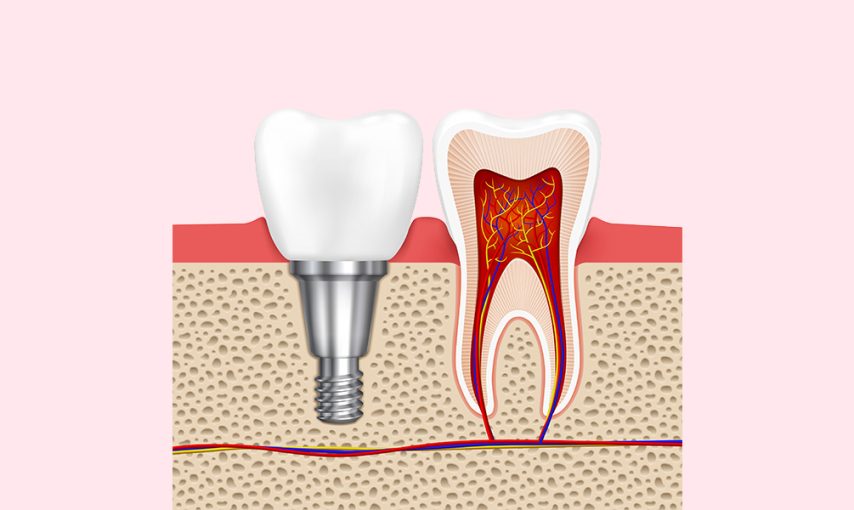
If you’ve been told you have a cavity that’s too big for a filling but doesn’t quite need a crown, you might feel stuck in the middle. You’re not alone. Many patients face this exact situation. The good news? Inlays and onlays in Crestwood, IL, offer the perfect in-between solution. They protect your natural tooth structure without the need for more invasive treatments.
What Are Inlays and Onlays?
Inlays and onlays are custom-made restorations. They are crafted outside of your mouth, usually in a dental lab, and fixed to the tooth to restore its strength and function.
- Inlays fit inside the tooth’s biting surface, usually between the cusps.
- Onlays are a bit larger and extend over one or more cusps to cover a bigger area.
Both options are made for durability and precision. They’re made from tooth-colored materials like ceramic or composite resin that match your natural teeth. If you’re seeking a restoration that blends seamlessly with your smile, dental inlays are a reliable option.
Compared to traditional fillings, inlays and onlays are stronger and last longer. Compared to full crowns, they require less drilling and preserve more of your natural tooth. They hit the sweet spot for moderate damage.
Why Not Just Get a Filling or Crown?
This is a common question among patients. Fillings are fast and inexpensive. Crowns are sturdy and protective. However, not every dental issue fits those categories neatly.
Here’s where inlays and onlays shine:
- They’re more conservative than crowns. Your dentist removes only the damaged portion of the tooth, not the entire outer layer.
- They’re more durable than fillings. Fillings can wear down or break with time, especially on larger cavities. Inlays and onlays hold up better under pressure.
Imagine you have a molar with a big cavity. A filling might fall out. A crown might require shaving down a healthy part of the tooth. A tooth onlays solution repairs only what’s necessary—and leaves the rest untouched.
The Benefits You’ll Notice Right Away
Once your inlay or onlay is placed, you’ll likely notice improvements right away. They’re built for comfort, function, and peace of mind.
Here’s what patients often report:
- Improved chewing strength: No more favoring one side of your mouth.
- Natural look: The material matches your tooth’s color and texture.
- Tight seal: Keeps bacteria and food particles out, reducing decay risk.
- Lasting results: Many inlays and onlays last 10 to 30 years with proper care.
When installed by a skilled dentist in Crestwood, IL, these restorations feel just like your natural tooth, only stronger. That means no more biting, hesitation, or sensitivity when eating cold or crunchy foods.
What the Treatment Process Looks Like
Getting inlays or onlays might sound complex, but it’s actually simple and efficient. Most patients complete the process in just two visits.
Here’s how it works:
- Diagnosis and prep: Your dentist examines your tooth, removes the decay, and takes digital impressions.
- Temporary protection: A temporary filling is placed while your custom restoration is being made.
- Final placement: On your second visit, the inlay or onlay is attached securely to the tooth using dental cement.
The procedure is really quick and causes minimal discomfort. Most people return to work or school right after the appointment. You won’t need a long recovery or lifestyle changes.
And once it’s placed, you’ll forget it’s even there, except when you’re enjoying how comfortable chewing feels again.
Who’s a Good Candidate for Inlays and Onlays?
If you have a damaged or decayed tooth but still have plenty of healthy structure left, you’re likely a candidate. In fact, inlays and onlays are often used when a filling is too weak or a crown is too much.
You may be a great fit if:
- You have a large cavity or an old filling that keeps failing.
- Your tooth has visible cracks or worn-out areas.
- You want a stronger and longer-lasting solution.
- You prefer preserving your natural tooth as much as possible.
Your dentist will thoroughly walk you through your options based on a full evaluation. In several cases, patients are surprised to learn they can avoid more aggressive treatments and still get long-lasting protection.
How to Care for Your Inlays and Onlays
After your restoration is complete, maintenance is simple. In fact, caring for an inlay or onlay is no different than caring for your natural teeth.
Stick with these basic steps:
- Brush gently two times a day with a soft-bristled brush.
- Use non-abrasive fluoride toothpaste.
- Floss daily to keep food out from between your teeth and restorations.
- Avoid chewing ice or too hard candy that could chip the edges.
- Schedule consistent cleanings and checkups every six months.
With this routine, your restoration can last for many years without issue. Some patients even report their inlays lasting decades with no signs of wear.
Why Material Choice Matters
When it comes to inlays and onlays, the material used plays a big role in both appearance and performance. Your dentist may offer several options depending on your needs.
Common materials include:
- Porcelain: Aesthetic and strong, ideal for visible teeth.
- Composite resin: Blends well with enamel and is less expensive.
- Gold: Not commonly requested today, but incredibly durable.
If aesthetics matter to you, and they usually do, porcelain and composite are excellent choices. Talk with your dentist about what works best based on the location of the tooth and how much pressure it handles.
Final Thoughts: Protect What You’ve Got
Inlays and onlays offer a powerful way to strengthen your teeth without losing the healthy parts. Whether you need to fix a damaged molar or replace an old filling, the team at Family Dental Care can help you get there. Ask about inlays and onlays in Crestwood, IL during your next visit to keep your natural smile strong, beautiful, and pain-free.