Why Paying Attention to Early Changes Matters
Cancer in the oral cavity can involve the lips, tongue, cheek lining, floor of the mouth, or throat tissues. In its earliest stages, it may not cause severe pain or obvious symptoms. Because of this, small changes are sometimes overlooked.
Identifying the Early Signs of Oral Cancer allows for prompt clinical assessment and referral when appropriate. Although no specific outcome can be guaranteed, timely recognition provides access to appropriate evaluation and next steps.
Common Early Symptoms
Minor tissue irregularities in the mouth are often among the first indicators of oral cancer. These changes frequently remain instead of resolving on their own.
Common warning signs include:
- A sore that does not heal within two weeks
- Red or white patches inside the mouth
- A lump, thickened area, or rough spot
- Unexplained bleeding
- Persistent pain or tenderness
- Difficulty chewing or swallowing
- Numbness in the tongue or lips
Any oral lesion that does not improve within two weeks warrants evaluation by a dental professional. While many oral findings are benign, ongoing abnormalities require assessment to rule out serious conditions.
Symptoms That May Be Overlooked
In some cases, patients notice ongoing throat discomfort, changes in voice quality, or an unexplained sensation in the throat. Loosening teeth without obvious gum disease or dental trauma can also raise concern.
These symptoms can resemble common dental or throat conditions. A clinical examination is necessary to determine the underlying cause.
The Importance of Routine Screenings
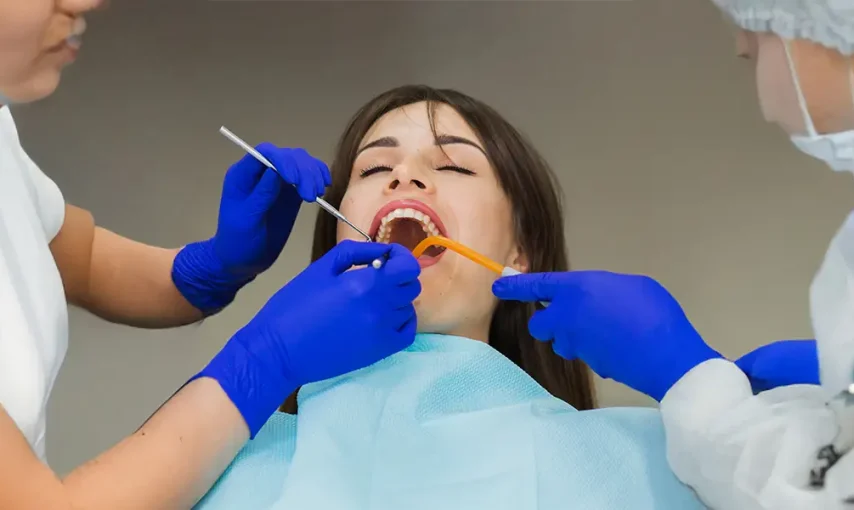
Preventive examination is particularly important for individuals with established risk factors. During a screening, the provider visually inspects the oral tissues and palpates the mouth and neck to detect abnormalities.
Patients seeking Oral Cancer Screenings near Evergreen Park can receive evaluation even if no symptoms are present. Screening is especially important for individuals with known risk factors.
Patients visiting a Dentist in Evergreen Park, IL, should expect periodic screenings as part of preventive care, especially if they use tobacco, consume alcohol heavily, or have a history of human papillomavirus infection.
Risk Factors to Consider
Several factors increase the likelihood of developing oral cancer:
- Tobacco use, including cigarettes and smokeless tobacco
- Heavy alcohol consumption
- HPV infection
- Prolonged sun exposure to the lips
- A previous history of oral cancer
Patients at increased risk should maintain consistent Oral Cancer Screenings and communicate any unexplained tissue abnormalities.
When to Seek Evaluation
If you notice a sore that does not heal, unexplained swelling, changes in your voice, or difficulty swallowing, schedule an evaluation without delay. Delaying care can postpone necessary diagnostic steps and treatment planning.
A thorough examination helps determine whether additional testing or referral to a specialist is appropriate. Not every abnormality is cancerous, but persistent or unexplained symptoms should not be ignored.
Final Thoughts
The Early Signs of Oral Cancer are often subtle and may not cause pain at first. Routine dental care and vigilance for tissue irregularities improve the likelihood of timely detection.
If you have concerns about unusual tissue changes or ongoing symptoms, a professional evaluation can provide clarity and guidance. For preventive care and routine screenings, patients may schedule an appointment with Family Dental Care.