When a tooth becomes cracked, severely decayed, or weakened after root canal therapy, timely restoration is essential to preserve its structure. Many patients exploring same-day crowns in Crestwood want to understand how this modern option compares to traditional crowns fabricated in a dental laboratory. While both serve the same purpose, the process, materials, and timeline differ significantly.
Understanding these distinctions lets patients make informed choices about their restorative care.
What Are Dental Crowns?
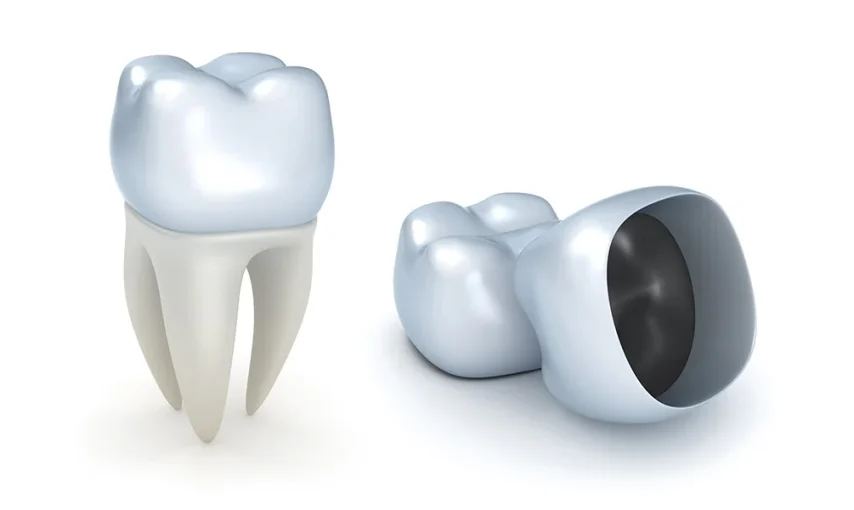
Dental crowns are custom restorations designed to cover and protect a damaged tooth. They restore shape, strength, and function while preserving the remaining natural structure underneath.
Crowns are commonly recommended when:
- A tooth has a large cavity
- A fracture compromises stability
- A root canal has a weakened internal structure
- An old filling can no longer support the tooth
Regardless of fabrication method, crowns cover the prepared tooth and distribute chewing forces to reduce structural stress.
How Traditional Crowns Are Made
Traditional crowns typically require two visits. During the first appointment, the dentist reshapes the affected tooth and takes a physical or digital impression. This impression is sent to a laboratory where technicians fabricate the final restoration over one to two weeks.
A temporary crown is settled while waiting for the permanent one to return from the lab. At the second appointment, the temporary is removed, and the final crown is cemented.
This method has been widely used for many years with predictable outcomes. Laboratory-fabricated crowns may be made from porcelain, metal alloys, or layered ceramic materials.
What Makes Same-Day Crowns Different?
Same-day crowns use advanced digital scanning and in-office milling technology. Instead of sending impressions to a lab, the dentist captures a 3D image of the prepared tooth. The crown is then designed using specialized software and milled from a solid ceramic block while the patient waits.
The entire restoration process is completed during a single appointment.
Patients searching for dental crowns near me are often interested in minimizing time away from work or family responsibilities. Same-day restorations exclude the need for temporary crowns and follow-up placement visits.
Material Differences and Strength
Traditional crowns can be fabricated using layered porcelain over metal frameworks or other material combinations. Same-day crowns are typically milled from high-strength ceramic.
Modern ceramic materials are engineered to withstand normal chewing forces while closely matching natural tooth appearance. While some complex cases may still benefit from laboratory fabrication, in-office milled crowns are suitable for many restorative situations.
Material selection depends on factors such as tooth location, bite pressure, and cosmetic goals.
Precision and Fit
Digital scanning technology reduces the need for traditional impression trays filled with molding material. Many patients find digital impressions more comfortable.
Computer-aided design allows precise measurements, and milling machines carve the crown to match the digital model. This can provide a highly accurate fit when properly calibrated.
A skilled dentist in Crestwood evaluates bite alignment carefully before final placement to ensure stability and comfort.
Time Efficiency and Convenience
The most noticeable difference between same-day and traditional crowns is convenience. Completing treatment in one appointment eliminates:
- Temporary crown discomfort
- Risk of temporary crown loss
- Additional scheduling
- Multiple injections
For patients with demanding schedules, this streamlined approach can significantly reduce disruption to daily life.
However, some complex restorations may still involve laboratory fabrication when specialized layering or shading techniques are necessary.
Aesthetic Considerations
Both types of crowns can provide natural-looking results. Same-day ceramic restorations are color-matched digitally to blend with surrounding teeth.
Traditional lab-crafted crowns may allow for additional customization in cases involving front teeth or highly specific cosmetic demands. The choice depends on individual expectations and clinical assessment.
Longevity and Maintenance
With proper maintenance, both same-day and traditional restorations can function effectively for many years. Longevity depends on:
- Oral hygiene habits
- Bite alignment
- Grinding or clenching
- Routine dental evaluations
Although durable, these restorations can still be damaged under excessive force. Avoiding chewing ice or hard objects helps preserve the restoration.
Regular follow-up visits allow dentists to monitor wear and ensure the crown remains securely bonded.
When One Option May Be Preferred
Same-day crowns are often ideal for patients who:
- Want immediate restoration
- Have limited time for multiple visits
- Prefer digital impression technology
Traditional crowns may be recommended when:
- Complex bite adjustments are required
- Extensive cosmetic layering is indicated
- Specific material combinations are clinically necessary
Treatment recommendations are based on structural integrity, occlusion, and long-term stability rather than convenience alone.
Final Thoughts
Both same-day and traditional crowns provide reliable solutions for restoring damaged teeth. The primary difference lies in the fabrication method and treatment timeline.
Same-day crowns offer efficiency and eliminate temporary restorations, while traditional crowns may provide additional customization in certain clinical cases. A comprehensive clinical evaluation ensures the selected option aligns with structural demands and aesthetic preferences.
At Family Dental Care – Crestwood, treatment planning emphasizes preservation of natural tooth structure while selecting an appropriate restorative method for each case. By understanding how these options differ, patients can approach their care with clarity and confidence.