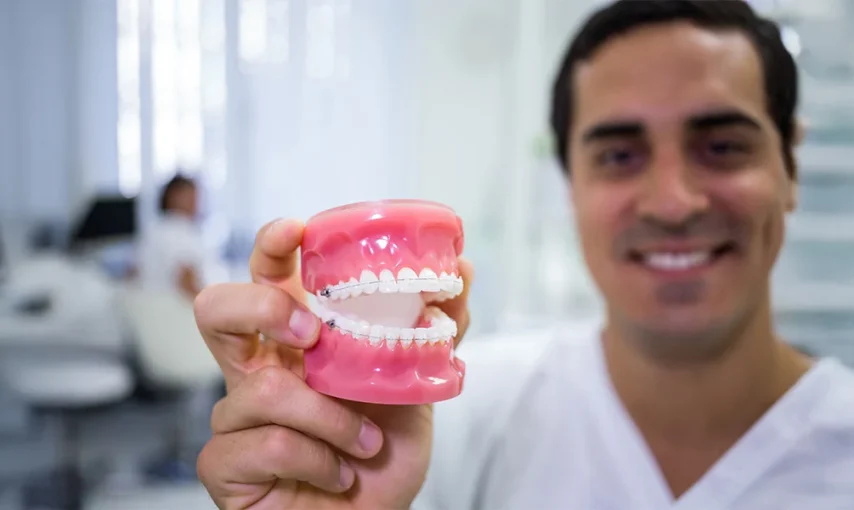
Many people notice that their dentures no longer feel as secure as they once did. If you are wondering why dentures become loose over time, the cause usually involves natural changes in the jaw and surrounding tissues rather than a defect in the appliance.
Dentures rest directly on the gums, which cover the jawbone. After teeth are removed, the bone that once supported them begins to shrink. Loss of tooth-root stimulation triggers a gradual process of bone resorption.
As the bone becomes thinner or flatter, the denture has less surface area for support. The fit may begin to feel unstable, especially during speaking or eating.
Regular monitoring helps track how much bone has remodeled and whether the denture base continues to adapt closely to the gums.
Why the Jawbone Shrinks After Tooth Loss
Natural teeth stimulate the jawbone every time you chew. Once teeth are lost, that stimulation stops. The body responds by slowly reducing bone volume in the affected area.
As years pass, the bone and soft tissues that support dentures remodel. The denture may begin to feel loose as the underlying anatomy reshapes. This process often develops over months or years.
Regular evaluations allow early identification of these anatomical shifts.
Changes in Gum Tissue
Soft tissue also adjusts over time. Daily pressure from chewing reshapes the gum surface beneath the denture. Even small variations in contour can reduce suction and stability.
Custom dental dentures are designed to match your anatomy when they are fabricated. However, they cannot prevent long-term biological remodeling.
If looseness develops, a reline procedure can restore closer adaptation by reshaping the inner surface of the denture.
Health and Lifestyle Factors
Body weight fluctuations, aging, and certain medical conditions can influence facial tissues. Changes in muscle tone can affect denture stability during speech or chewing.
Reduced saliva flow is another common facAs the gum contour changes, the denture may lose close contact with the tissue surface.tor.
Saliva helps create suction for upper dentures and provides lubrication for comfort. When saliva production decreases, stability often declines.
A clinical evaluation helps determine whether looseness results from tissue remodeling, reduced saliva flow, or denture wear.
Material Wear Over Time
Dentures are durable, but daily function places constant pressure on the base and artificial teeth. Gradual wear can alter how the appliance sits against the gums.
Small distortions or surface changes can prevent the denture from seating properly. Even minor irregularities can affect comfort.
Routine examinations allow early detection of wear before instability worsens.
When to Schedule an Evaluation
Loose dentures can cause sore spots, difficulty chewing, and changes in speech. They may also increase the risk of tissue irritation.
If adhesives become necessary more often than before, it may be time for an adjustment. A Dentist in Chicago, IL, can evaluate the fit and determine whether relining, repair, or replacement is appropriate.
Patients seeking restorative dentistry near Chicago benefit from periodic assessments to monitor bone levels and tissue health. Early evaluation can reduce the likelihood of more extensive treatment.
Why Ongoing Monitoring Matters
Jawbone remodeling continues throughout life. Regular follow-up visits help ensure that dentures remain functional and comfortable.
Addressing looseness early helps prevent chronic irritation and improves chewing efficiency. Adjustments are common and do not necessarily mean the appliance has failed.
At Family Dental Care, treatment recommendations are based on clinical examination and individual anatomical changes. Ongoing evaluation helps preserve stability, function, and tissue health.