Author: Familydentalcare_aDMeeN

Jul 06, 2025

What Type of Mouth Guard is Best for Grinding Teeth?

Teeth grinding, also known as bruxism, can sneak up on you. Maybe you wake up with jaw pain or headaches. Or your partner hears grinding sounds in the middle of the night. Over time, grinding can wear down enamel, chip your teeth, and cause serious dental issues. That’s where mouth guards come in. But all of them aren’t the same.

If you’re wondering which kind is right for you—or your loved one—you’re in the right place. Let’s break down the types, who they’re best for, and how to get started.

Understanding Bruxism and Why It Happens

Before we dive into mouth guards, let’s talk about why people grind their teeth in the first place. The causes vary, but some common reasons include:

  • Stress and anxiety
  • Sleep disorders like sleep apnea
  • Misaligned teeth or bite issues
  • Side effects from certain medications
  • Lifestyle habits like excessive caffeine or alcohol use

You may not even know you’re grinding until symptoms show up. Jaw tension, headaches, or worn-down teeth are all red flags.

The Role of Mouth Guards in Protecting Your Teeth

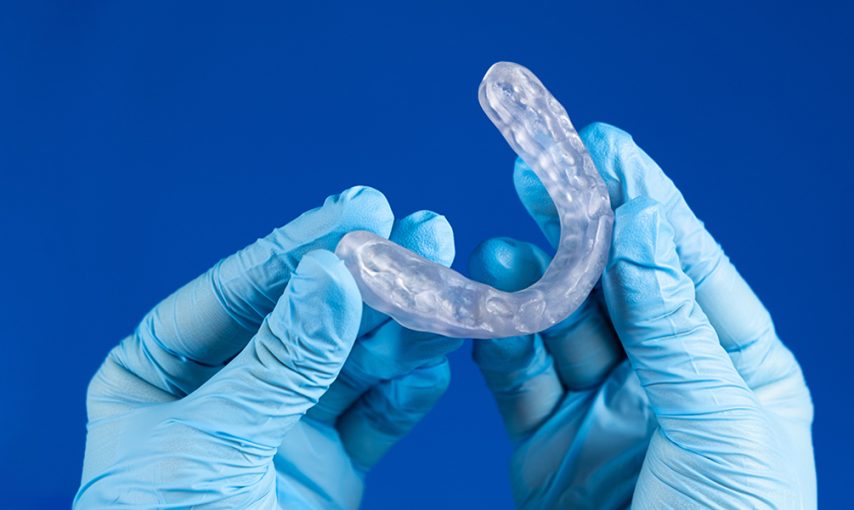
Mouth guards are custom-fit or over-the-counter devices worn over the teeth, mainly while sleeping. They act like a cushion, absorbing the pressure of grinding and protecting your enamel from damage. They also help relieve strain on your jaw muscles, which means fewer headaches and better sleep.

So how do you choose the right one?

Types of Mouth Guards: Which One Fits You Best?

There are three primary kinds of mouth guards used to treat teeth grinding. Let’s explore each.

  1. Over-the-Counter (Stock) Mouth Guards
  • Found at most drugstores
  • One-size-fits-all
  • Inexpensive

Best for: People who need a quick, short-term solution.

Downside: They’re bulky and often uncomfortable. They don’t stay in place well and provide minimal protection.

  1. Boil-and-Bite Mouth Guards
  • Available at most pharmacies
  • Made from thermoplastic
  • You boil it, then bite down to mold it to your teeth

Best for: People looking for a better fit than stock guards but still an affordable option.

Pros: Slightly more secure, better comfort.

Cons: Still not a long-term solution. The material wears out quickly and may not offer enough protection if you grind heavily.

  1. Custom-Fit Mouth Surveillance (From Your Dentist)
  • Made specifically for your mouth
  • Designed in a dental lab
  • Created after taking molds or digital impressions of your teeth

Best for: Anyone with moderate to severe teeth grinding or TMJ issues.

Advantages:

  • Superior comfort and fit
  • Long-lasting material
  • Maximum protection for teeth and jaw

Drawback: They cost more than store-bought versions, but they’re worth every penny if you’re serious about preserving your dental health.

Signs You Need a Mouth Guard Now

Still on the fence? If you’re experiencing any of the following, it might be time to talk to your dentist:

  • Morning headaches or earaches
  • Sore or stiff jaw in the morning
  • Teeth that look shorter or flatter
  • Chipped or cracked teeth
  • Disturbed sleep due to grinding sounds

These signs aren’t just annoying—they’re your body telling you something’s wrong. Don’t wait until permanent damage happens.

Why Custom Mouth Guards Are Worth It

Let’s get real: it’s your smile, your sleep, and your peace of mind on the line.

A custom-fit mouth guard is like a tailored suit—it just works better. It hugs your teeth, stays in place through the night, and doesn’t make you drool like a faucet.

Quick benefits you’ll notice:

  • Less jaw tension in the morning
  • Fewer headaches
  • Better sleep quality
  • No more tooth wear

And if you’ve tried store-bought guards and tossed them aside after a week, you’re not alone. Many patients say a professionally made guard made all the difference.

Where to Get One: Start with a Trusted Clinic

Not sure where to begin? Look for a dental clinic for mouthguards that offers both consultation and custom solutions. Your dentist will assess your bite, examine wear patterns on your teeth, and discuss the best guard based on your needs and budget.

This isn’t a one-size-fits-all situation. A great dental team will listen to your concerns and help you feel confident in your decision.

Local Matters: Finding the Right Care Near You

You don’t have to drive across the city to find great care. If you’re searching for dental clinics that offer mouth guards near you, make sure the provider:

  • Specializes in treating bruxism or TMJ
  • Offers follow-up adjustments (if needed)
  • Has clear pricing and insurance options
  • Answers your questions without rushing you

At Family Dental Care, we take the time to understand your grinding habits and sleep patterns. Our team walks you through each step, from digital impressions to final fitting. We’re here for the long haul—not just a quick fix.

Conclusion

Your health matters—day and night. Don’t let teeth grinding steal your rest or damage your smile. A well-fitted mouth guard is more than a piece of plastic. It’s peace of mind.

Schedule a visit with Family Dental Care today. Our dentists in Chicago will help you find the right mouth guard, answer your questions, and support you every step of the way.

Better sleep and a healthier smile are just one appointment away.

Previous Blog Post

What Types of Dentures Are Best for the Elderly?

As we age, our dental needs change. It’s no secret—our teeth take a hit over time. Whether due to natural wear, gum disease, or health issues, tooth loss becomes more common among seniors. But here’s the good news: modern dentures can restore your smile, speech, and ability to enjoy your favorite meals. If you’ve been…

Read More

Jul 01, 2025

What Is the Most Effective Treatment for TMJ?

If you’ve ever felt a clicking jaw, tension in your temples, or pain while chewing, you’re not alone. These symptoms may point to a common but often misunderstood condition called TMJ (temporomandibular joint) disorder. It affects the hinge that connects your jaw to your skull—and when it stops working smoothly, the discomfort can take over your daily life. Let’s break down what causes TMJ issues and the best ways to treat them so you can get back to eating, smiling, and living pain-free.

Understanding TMJ and Why It Happens

The temporomandibular joint acts or works like a sliding hinge, giving you the capability to talk, chew, and yawn. But if that joint becomes irritated, overworked, or injured, it can lead to:

  • Jaw stiffness
  • Earaches
  • Clicking or popping sounds
  • Headaches
  • Muscle soreness in the neck or shoulders

Some common causes include teeth grinding (bruxism), arthritis, trauma, stress, or even an uneven bite.

Home Remedies You Can Try First?

Sometimes, TMJ symptoms come and go. Before jumping into medical treatments, here are simple things you can try at home:

  • Use a warm compress on your jaw to soothe muscle tightness.
  • Stick to soft foods for a few days—soups, smoothies, and scrambled eggs are great.
  • Avoid gum or chewing on tough foods.
  • Try jaw stretches (gently!) and relaxation techniques like deep breathing.
  • Ice packs can help reduce swelling.

If these don’t work, it’s time to consult a professional.

The Role of a Dentist in TMJ Diagnosis

Many people don’t know this, but your dentist often spots TMJ problems before you do. When you visit a dentist in Calumet City (if you are from that area), they’ll check your bite, listen for jaw clicks, and feel for tenderness around the jaw joint.

They may also take X-rays or recommend imaging to get a clearer view. This helps rule out other issues like tooth infections or nerve-related pain.

Mouthguards and Splints: First Line of Defense

One of the most effective and non-invasive treatments for TMJ is wearing a mouthguard, especially if you grind your teeth at night.

  • Nightguards: Custom-fitted to your mouth to prevent clenching.
  • Stabilization splints: Worn during the day to help reposition your jaw.

These devices bring down stress on the jaw and let the muscles rest. They’re easy to use and don’t involve surgery or drugs.

Physical Therapy Can Work Wonders

If your TMJ pain is chronic or linked to muscle tension, physical therapy might be your golden ticket. Trained therapists can guide you through:

  • Jaw strengthening exercises
  • Posture correction
  • Ultrasound or low-level laser therapy
  • Manual massage techniques

Over time, these therapies improve movement and reduce inflammation.

When Medication Becomes Necessary?

Sometimes, lifestyle changes aren’t enough. If the pain persists, your dentist may recommend:

  • Anti-inflammatory meds like ibuprofen
  • Muscle relaxants to ease tension
  • Low-dose antidepressants for pain-related sleep disorders

These are not long-term fixes, but they help during flare-ups.

Advanced TMJ Treatments at the Dental Office

For more stubborn cases, specialized procedures can make a big difference. At our dental office for TMJ disorder treatment, you may be offered:

  • BOTOX® Injections: Used off-label to relax overworked jaw muscles.
  • Trigger Point Injections: Focused on specific pain spots.
  • TENS therapy: A low-voltage current that stimulates nerves and loosens tight muscles.
  • Arthrocentesis: A minimally invasive technique that flushes the joint.

These are performed in-office, often with little to no recovery time.

Surgery: The Last Option

Surgery is rarely needed, but in extreme cases, it may be considered. Types of TMJ surgery include:

  • Arthroscopy: A tiny camera is inserted to clean out the joint.
  • Modified condylotomy: Adjusts the jaw to prevent locking.
  • Open-joint surgery: In rare cases, structural repair or joint replacement is necessary.

Surgeries involve risks and downtime, so they are only done when all else fails.

The Best Treatment Is a Personalized Plan

What works for one person might not work for another. That’s why getting expert help matters. The most effective TMJ disorder treatment near you is the one that addresses your root cause—whether that’s stress, bite misalignment, or injury.

A dentist who understands your pain listens carefully and tailors a plan just for you can be the turning point in your journey.

Conclusion

TMJ can quietly steal your quality of life. You don’t have to suffer through it or live on painkillers. With the right support, you can find real, lasting relief.

At Family Dental Care, we’ve helped countless patients reclaim their comfort. Whether you need a simple nightguard or expert in-office therapy, we’re ready to help you smile again—without pain.

Ready to Talk?

If you’re struggling with jaw pain, schedule a consultation today. Let us guide you through the options and help you find relief that lasts. Your comfort is one visit away.

Looking for a TMJ disorder treatment near you? Contact us now and take the first step toward healing.

Previous Blog Post

What Type of Mouth Guard is Best for Grinding Teeth?

Teeth grinding, also known as bruxism, can sneak up on you. Maybe you wake up with jaw pain or headaches. Or your partner hears grinding sounds in the middle of the night. Over time, grinding can wear down enamel, chip your teeth, and cause serious dental issues. That’s where mouth guards come in. But all…

Read More

Jun 26, 2025

How Often Should You Get a Periodontal Screening?

Most people know they need a dental checkup every six months. But there’s one specific part of that visit many overlook: the periodontal screening. It’s quick, simple, and one of the best ways to protect your smile—not just from cavities but from gum disease, which often starts silently.

If you’re wondering when to get screened, what to expect, and why it even matters, you’re in the right place. This guide breaks it down into everyday terms so you can make smart, learned choices for your oral health.

What Is a Periodontal Screening?

A periodontal screening checks the health of your gums and the bone to help support your teeth. It helps your dentist spot early signs of gum disease before symptoms become serious or irreversible.

During the exam, your dental hygienist or dentist will:

  • Utilize a thin probe to measure the depth between your gums and teeth (called pockets)
  • Check for bleeding, inflammation, or recession
  • Note any loose teeth or signs of bone loss

It takes just a few minutes and is completely painless. But those few minutes can save you a lot of trouble down the line.

Why Is It So Important?

Gum disease is sneaky. You may not notice any pain or obvious signs until it’s already advanced. That’s why routine screening matters.

Without treatment, gum disease can lead to:

  • Bleeding and swollen gums
  • Gum recession and sensitivity
  • Loose or shifting teeth
  • Tooth loss
  • Even systemic health problems, including heart disease or diabetes complications

Routine periodontal checks help catch issues early, so treatment can be easier, faster, and less expensive.

So, How Often Should You Get Screened?

The general rule: at least once a year for most healthy adults. But depending on your oral health, your dentist may recommend more frequent screenings.

You may need screenings more often if:

  • You have a history of gum disease
  • You’re a smoker
  • You have diabetes or other chronic health condition
  • You’re pregnant (hormonal changes can affect gum health)
  • You don’t floss regularly or have frequent plaque buildup

If you’ve been receiving gum disease treatment, your dentist may screen you every 3 to 4 months to track your progress and prevent relapse.

Warning Signs You Shouldn’t Ignore

Even if you’re not due for a checkup, keep an eye out for these early signs of gum issues:

  • Gums that bleed when brushing or flossing
  • Chronic bad breath
  • Gums that look red or puffy
  • A receding gum line
  • Teeth that feel loose or shift slightly
  • A persistent bad taste in your mouth

If any of these sound familiar, it’s time to book a periodontal screening near you—sooner rather than later.

What Happens if You Need Treatment?

If your screening shows signs of gum disease, don’t panic. Most cases are manageable—especially if caught early.

Common gum disease treatments include:

  • Scaling and root planing (a deep cleaning to remove plaque and bacteria below the gumline)
  • Antibiotic therapy to reduce infection
  • More frequent cleanings to maintain healthy gums
  • In advanced cases, surgical procedures may be a must to repair damage

The team at Family Dental Care is here to walk you through your options and guide you toward a healthier smile, step by step.

Everyday Tips to Keep Your Gums Healthy

Prevention is always better than treatment. To lower your risk of gum disease:

  • Brush twice a day using fluoride toothpaste
  • Floss daily (seriously, it makes a huge difference)
  • Use an antibacterial mouthwash to fight plaque
  • Avoid smoking and limit sugary snacks
  • See a dentist regularly, even if your teeth feel fine

Taking care of your gums at home doesn’t need to be complicated. Just a few smart habits can go a long way.

Why Choose Family Dental Care?

At Family Dental Care, your comfort and health come first. We believe in catching problems early, educating our patients, and treating everyone like family.

Looking for a trusted dentist in Oak Lawn who takes gum health seriously? We’re here for you with thorough exams, gentle care, and personalized treatment plans that properly fit your lifestyle.

Your gum health affects your whole body—and you deserve care that looks at the full picture.

Final Thoughts: Screen Early, Smile Longer

A periodontal screening might seem small, but it plays a big role in keeping your teeth—and your health—on the right track. It’s fast, easy, and could prevent major dental work later.

If it’s been a while since your last gum check—or you’re noticing signs of trouble—don’t wait. Schedule your screening with Family Dental Care today and take the next step toward a life of healthy smiles.

Previous Blog Post

What Is the Most Effective Treatment for TMJ?

If you’ve ever felt a clicking jaw, tension in your temples, or pain while chewing, you’re not alone. These symptoms may point to a common but often misunderstood condition called TMJ (temporomandibular joint) disorder. It affects the hinge that connects your jaw to your skull—and when it stops working smoothly, the discomfort can take over…

Read More

Jun 21, 2025

Dental Cleaning Myths: What You Need to Stop Believing?

When it comes to dental cleanings, there are plenty of myths floating around. Some people believe cleanings aren’t necessary if you brush well. Others think cleanings damage their enamel. These misconceptions often lead to skipped appointments—and that’s where real problems start.

At Family Dental Care, we believe education is key. By clearing up the confusion, we can help more people protect their oral health. In this blog, we’ll bust the most common myths about dental cleanings and explain what really happens during your visit.

Myth 1: “If My Teeth Don’t Hurt, I Don’t Need a Cleaning”

Pain is a terrible indicator of dental health. Many oral problems, like gum disease and cavities, start silently. You might not feel pain until it’s too late.

The truth:

  • Plaque and tartar buildup happen even with good brushing.
  • Gum disease often shows no pain in its early stages.
  • Regular cleanings catch problems before they turn into expensive treatments.

That’s why a routine tooth dental check-up paired with a professional cleaning is essential, whether you feel discomfort or not.

Myth 2: “Brushing and Flossing Are Enough, I Don’t Need Professional Cleanings”

Brushing and flossing are really crucial for daily oral hygiene, but they’re not foolproof.

Here’s why:

  • Plaque hardens into tartar, which toothbrushes can’t remove.
  • Certain areas, like back molars and gum pockets, are difficult to clean properly at home.
  • Only dental tools and professional techniques can safely remove tartar buildup.

Think of dental cleanings as a tune-up for your mouth. Your efforts at home keep things running, but you still need a pro to clean the tough spots.

Myth 3: “Dental Cleanings Damage My Enamel”

One of the biggest myths is that scaling and polishing wear down your teeth. In reality, trained hygienists use techniques that are safe and effective.

What actually happens?:

  • Scaling removes hardened tartar from the tooth surface and below the gumline.
  • Polishing smooths the enamel, making it harder for plaque to stick.
  • Modern tools are designed to protect enamel, not harm it.

If you’ve ever been nervous about scheduling a dental cleaning near you because of this myth, rest assured—your enamel is safe in professional hands.

Myth 4: “I Only Need to See a Dentist if I Have a Problem”

Preventive care is the base of great oral health. Waiting for a problem to arise often means more invasive, costly treatments down the road.

Benefits of preventive cleanings:

  • Early detection of cavities, gum disease, and oral cancer.
  • Reduces risk of tooth loss.
  • Keeps breath fresh and gums healthy.

Your dentist in Munster isn’t just there to fix problems—they’re your partner in prevention.

Myth 5: “Professional Cleanings Whiten Teeth Like Bleaching”

While cleanings can remove surface stains caused by coffee, tea, and tobacco, they aren’t a substitute for whitening treatments.

Here’s what cleanings do:

  • Remove plaque, tartar, and surface stains.
  • Improve the overall brightness of your smile.
  • Keep up the health of your gums and teeth.

For true whitening results, professional bleaching or cosmetic treatments are the answer. Cleanings, however, lay the foundation by giving you a clean, healthy canvas.

Myth 6: “Dental Cleanings Are Painful”

A common fear—but far from the truth for most patients. Modern techniques make cleanings quick and comfortable.

Why it shouldn’t hurt:

  • Topical numbing gels are available for sensitive areas.
  • Gentle ultrasonic scalers reduce discomfort.
  • The procedure is non-invasive and tailored to your needs.

If you’ve been avoiding cleanings out of fear, talk to your dentist. Honest communication ensures a comfortable experience.

Quick List: Why Regular Cleanings Matter

Let’s sum it up with five solid reasons to keep those cleaning appointments:

  • Prevents cavities and gum disease
  • Maintains fresh breath
  • Keeps teeth looking bright and smooth
  • Detects problems early
  • Saves money by avoiding costly treatments later

Skipping cleanings is like skipping oil changes for your car. It works fine—until it doesn’t.

What to Expect at Your Cleaning Appointment?

Still feeling uncertain? Here’s a quick overview of a typical dental cleaning visit:

  1. Examination – Your hygienist checks your gums and teeth.
  2. Scaling – Removal of plaque and tartar utilizing specialized tools.
  3. Polishing – Smoothing teeth to reduce future buildup.
  4. Fluoride Treatment (if needed) – Strengthens enamel.
  5. Dentist Check-up – Final exam to ensure everything is healthy.

It’s efficient, painless, and one of the best things you can do for your smile.

Final Thoughts

Dental cleaning myths can keep people from getting the care they need. But now you know the truth. Regular professional cleanings are safe, essential, and preventive, not optional or damaging.

At Family Dental Care, we’re here to provide gentle, thorough cleanings that protect your teeth and gums. Whether it’s been six months or six years since your last visit, it’s never too late to prioritize your oral health.

Looking for a trusted dentist in Munster who understands your concerns and delivers expert care? Book your tooth dental check-up today, and let’s keep that smile healthy and bright.

Previous Blog Post

How Often Should You Get a Periodontal Screening?

Most people know they need a dental checkup every six months. But there’s one specific part of that visit many overlook: the periodontal screening. It’s quick, simple, and one of the best ways to protect your smile—not just from cavities but from gum disease, which often starts silently. If you’re wondering when to get screened,…

Read More

Jun 16, 2025

Replacing Extracted Teeth: Options to Consider

Losing a tooth as an adult isn’t something we usually plan for, but it happens more often than you might think. Whether it’s due to injury, decay, or infection, an extraction can leave you wondering—what now?

The good news? You’ve got options. Modern dentistry makes it easier than ever to replace missing teeth with natural-looking, long-lasting results. At Family Dental Care, we guide you through every step, helping you restore your smile, confidence, and comfort.

If you’ve recently searched for teeth extraction near you, this guide breaks down your next move with clear, supportive advice.

Why Replacing a Missing Tooth Matters?

It might be tempting to ignore the gap and move on. However, even one lost tooth can lead to big problems if left untreated.

Here’s what can happen:

  • Shifting teeth: Your remaining teeth may move into the open space
  • Jawbone loss: Without a root, your jawbone begins to shrink
  • Chewing problems: You may favor one side or avoid certain foods
  • Speech changes: Gaps can impact how you pronounce certain words
  • Aging appearance: Facial muscles lose support, leading to sagging

The sooner you replace an extracted tooth, the better you protect your overall dental health.

1. Dental Implants – A Long-Term Solution

Dental implants are one of the most popular and reliable replacement options. They act just like natural teeth, from the root up.

How it works:

  • A small titanium post is surgically fixed in the jawbone
  • After healing, a crown is fixed to the top
  • The result? A secure, natural-looking tooth replacement

Why people choose implants:

  • They don’t rely on nearby teeth for support
  • They help prevent bone loss
  • They last decades with proper care
  • They feel and function like real teeth

Dental implants do require sufficient bone and a few months of healing, but the payoff is long-lasting stability and comfort.

2. Fixed Dental Bridges – Closing the Gap Quickly

A bridge is a prosthetic tooth anchored to the teeth on either side of the gap. It literally “bridges” the space where a tooth once was.

Bridge benefits:

  • Faster than implants—usually completed in two visits
  • Affordable and durable
  • Doesn’t require surgery

Best for:

  • Patients missing one or two teeth
  • Those with healthy adjacent teeth for support

While bridges don’t stimulate the jawbone like implants, they still restore function and appearance very effectively.

3. Removable Partial Dentures – Flexible and Cost-Effective

Removable dentures aren’t just for full sets of teeth. If you’ve lost a few teeth but still have healthy ones remaining, a partial denture can be a great option.

Pros of partials:

  • Budget-friendly
  • Easy to remove and clean
  • Can be adjusted or replaced over time

Possible cons:

  • May take time to get used to
  • Not as stable as bridges or implants
  • Needs daily cleaning and proper care

Still, they’re a valuable option for those looking for a flexible solution.

4. Full Dentures – When Multiple Teeth Are Missing?

If you’ve had several extractions or are missing most of your teeth, full dentures may be recommended. Today’s dentures are more comfortable, natural-looking, and customizable than ever.

Modern dentures offer:

  • Improved fit with better materials
  • Enhanced aesthetics
  • Options for implant-supported dentures for added stability

Full dentures restore bite function and facial volume, helping you eat, speak, and smile confidently again.

Factors to Consider While Selecting a Tooth Replacement Option

There’s no one-size-fits-all answer. What works best for one person may not be ideal for another. Your dentist in Evergreen Park will help guide your decision, but here are a few things to think about:

  • Your budget
  • Your overall dental and medical health
  • How many teeth are missing
  • Your preference for a fixed vs. removable option
  • The condition of surrounding teeth and jawbone

What to Expect at Your Consultation?

When you visit Family Dental Care, we take time to assess your situation thoroughly. You’ll get:

  • A full dental exam and X-rays
  • Discussion of your health history and personal goals
  • A breakdown of your replacement options
  • Transparent pricing and treatment timelines

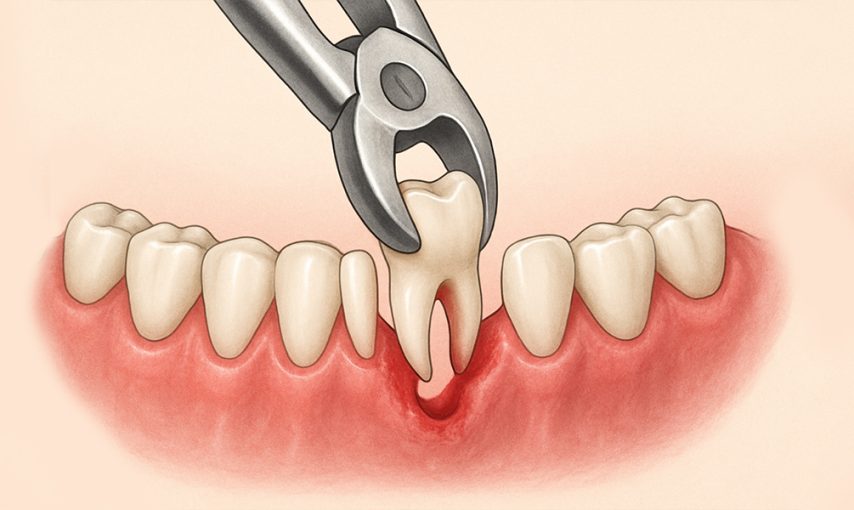
If you’re visiting our dental clinic for dental extraction, rest assured—we plan for replacement solutions right from the start, so you’re never left in the dark.

Caring for Your New Tooth (or Teeth)

No matter which option you choose, caring for your restoration is key. Here’s how to keep things in top shape:

  • Brush and floss daily
  • Use a non-abrasive toothpaste
  • Rinse with antibacterial mouthwash
  • Visit your dentist consistently for cleanings and exams
  • If you wear dentures, soak them overnight and rinse them before wearing

Final Thoughts: Reclaim Your Smile with Confidence

Losing a tooth can feel overwhelming—but it’s just the beginning of a new chapter. Today’s tooth replacement options are stronger, smarter, and more natural-looking than ever. Whether you go with an implant, bridge, or denture, the right solution helps you feel like yourself again.

At Family Dental Care, we’re here to help you make that choice with confidence. Whether you’re looking for guidance after an extraction or researching options before treatment, our team is ready to support you every step of the way.

Ready to restore your smile? Start with a visit to a trusted dentist in Evergreen Park and explore what’s possible today. Your smile—and your future—deserve it.

Previous Blog Post

Dental Cleaning Myths: What You Need to Stop Believing?

When it comes to dental cleanings, there are plenty of myths floating around. Some people believe cleanings aren’t necessary if you brush well. Others think cleanings damage their enamel. These misconceptions often lead to skipped appointments—and that’s where real problems start. At Family Dental Care, we believe education is key. By clearing up the confusion,…

Read More

Jun 07, 2025

When Should My Child Start Seeing a Dentist?

As a parent, you want to get it right—especially when it comes to your child’s health. One area that often is the origin of confusion is dental care. How soon is too soon? Can baby teeth really matter that much?

Here’s the truth: oral health starts early. Really early. And when you know what to look for and when to schedule that first visit, your child has a much better chance of enjoying a lifetime of strong, healthy teeth.

Let’s dive into exactly when and why your child should start seeing a dentist—and how to make it a smooth, positive experience.

First Tooth, First Appointment

The general rule? Schedule your child’s first dental visit when their first tooth comes in—or by their first birthday, whichever comes first.

Yes, that early.

Why so soon? Baby teeth matter more than people think. They help with chewing, speech development, and guide permanent teeth into place. Ignoring early dental care can lead to cavities, infections, or worse.

Quick Tip: Don’t wait for a problem to arise. Prevention beats repair every time.

The Real Risk of Baby Bottle Decay

Ever heard of baby bottle tooth decay? It’s more common than you might think—and it happens when sugary liquids cling to your child’s teeth for long periods.

Signs of early decay can sneak up on you:

  • White spots on teeth
  • Discoloration
  • Trouble eating

Once these signs appear, it’s time to visit a kids’ dental clinic right away. Cavities can form fast and spread even faster in young mouths.

Dental Visits—It’s Not Just About Teeth

Dentists don’t just check teeth. They’re watching jaw growth, bite alignment, and oral habits like thumb-sucking or tongue thrusting.

Starting early lets the dentist catch these issues before they snowball. Early detection often means easier—and cheaper—treatment options.

Plus, these early appointments help your child get used to the dental chair without fear. Think of it like a friendly introduction, not a full exam.

What Happens During the First Visit?

Expect a short and gentle appointment. No drilling. No scary tools. Just a quick look at their teeth, a chat about brushing, and maybe a fluoride treatment.

What your child will learn:

  • How to clean their teeth
  • What foods to avoid
  • That the dentist is a friend, not a foe

Your child might even get a fun toothbrush or sticker. It’s all about building trust and turning a “checkup” into a positive experience.

When Teeth Start Crowding or Spacing Out?

Around age 6, permanent teeth start pushing through. This is when spacing or crowding issues often show up. Some kids may need orthodontic evaluations earlier than expected.

  • Look for overlapping or misaligned teeth.
  • Check for delayed tooth loss.
  • Ask if your child breathes through their mouth or grinds their teeth.

These small signs can reveal big insights. A pediatric dentist near you will know when to refer your child to an orthodontist—or offer preventive help right in the office.

Common Dental Milestones by Age

Here’s a rough guide for what to expect:

By Age 1:

  • First tooth arrives.
  • First dental visit.

By Age 3:

  • Full set of baby teeth.
  • Brushing with a pea-sized or tiny amount of fluoride toothpaste.

By Age 6:

  • First permanent molars arrive.
  • Consider dental sealants.

By Age 7:

  • First orthodontic check, even if braces aren’t needed yet.

Milestones can vary, but keeping these age markers in mind will help you stay on track.

How to Prepare Your Child for the Dentist?

You set the tone. If you’re nervous, they’ll be nervous. Keep it calm and simple:

  • Talk about the dentist like a friend.
  • Read picture books about dental visits.
  • Practice “opening wide” at home with a mirror.

Avoid saying things like “It won’t hurt.” This implies that it could. Instead, focus on words like “clean,” “check,” or “shine.”

Finding the Right Dentist for Your Child

Not every dentist has the patience or experience to work with kids. A skilled local dentist or a dentist in Chicago will know exactly how to create a safe, enjoyable, and supportive environment for your child.

Here’s what to look for:

  • A child-friendly office with colorful decor
  • Gentle staff who explain things in kid terms
  • Experience with early childhood development

Family Dental Care offers all of the above, giving parents peace of mind and helping children build strong oral habits from day one.

Conclusion

Don’t wait for a cavity to show up before you take your child to the dentist. That first visit is more than just a milestone—it’s the beginning of a lifelong habit.

If you’re searching for a kids’ dental clinic that truly cares, Family Dental Care is here to help. We make early dental visits easy, gentle, and stress-free—for both kids and parents. Let’s make that first appointment a happy one!

Previous Blog Post

Replacing Extracted Teeth: Options to Consider

Losing a tooth as an adult isn’t something we usually plan for, but it happens more often than you might think. Whether it’s due to injury, decay, or infection, an extraction can leave you wondering—what now? The good news? You’ve got options. Modern dentistry makes it easier than ever to replace missing teeth with natural-looking,…

Read More

Jun 06, 2025

What Can Invisalign Fix? A Look at Common Alignment Issues?

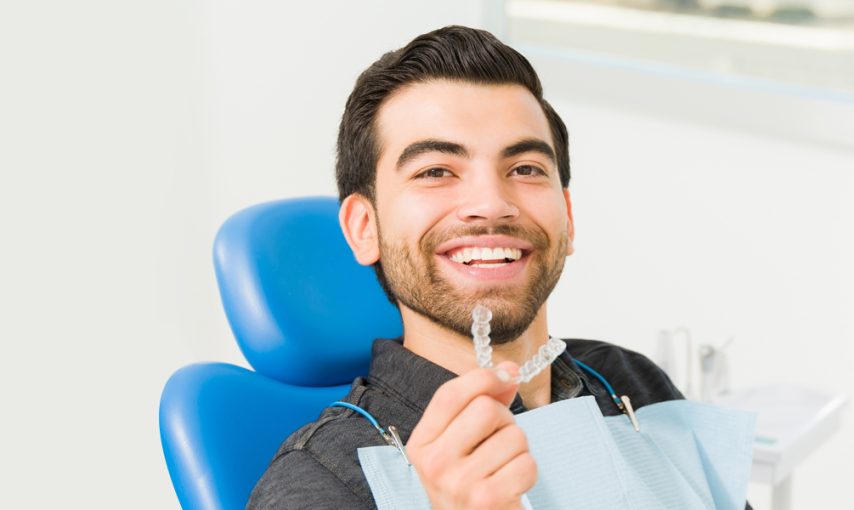
Straight teeth aren’t just about having a great smile—they also keep your mouth healthy. Crooked teeth can make brushing tough, wear down enamel, and even cause jaw pain. That’s where Invisalign comes in. These clear aligners have become one of the most trusted ways to gently move teeth into better positions without metal brackets or wires.

If you’re wondering what Invisalign can actually fix, you’re in the right place. Let’s look at the most common alignment problems Invisalign can treat—and how it can work for you.

Overbite: When Top Teeth Overlap Too Much

An overbite happens when your top front teeth stick out far beyond your bottom ones. It might look like a small issue, but it can cause serious wear and even gum damage over time.

How Invisalign helps:

The aligners gradually pull the top teeth back while guiding the lower ones forward. It does this in tiny steps, usually over 12 to 18 months, depending on your case.

Why it matters:

Fixing an overbite helps prevent speech problems and keeps your bite healthy and balanced.

Underbite: When Lower Teeth Sit in Front?

Think of an underbite as the opposite of an overbite. It’s when the lower jaw pushes forward, and your bottom teeth overlap your top ones. This can make chewing tricky and may even lead to jaw pain.

What Invisalign can do:

  • Gently shifts the lower teeth back into position.
  • Often used with other tools (like elastics) to correct jaw position.

Real talk:

Fixing this isn’t just cosmetic—it can improve how you speak and eat daily.

Crossbite: A Misaligned Bite That Causes Trouble

A crossbite occurs when some upper teeth sit behind the lower teeth instead of in front. This can happen in the front of your mouth or the back.

Why it’s a problem:

  • Causes teeth to chip or wear down unevenly.
  • It can lead to gum issues or even bone loss.

Invisalign’s fix:

The custom trays apply targeted pressure to shift the misaligned teeth where they belong. With time, this can fix both aesthetic and functional issues.

Gaps Between Teeth

Some people naturally have space between their teeth, while others get gaps from gum disease or missing teeth. Either way, those little spaces can become food traps and plaque magnets.

Invisalign’s solution:

  • Closes the gaps by nudging teeth closer together.
  • Helps stop future dental problems like cavities and gum inflammation.

A quick example:

A patient had small gaps in her front teeth. After just 9 months with Invisalign, the spaces were gone, and her flossing got way easier.

Crowded Teeth

Too many teeth and too little room? That’s dental crowding. It can make your smile look uneven and make it hard to keep your teeth clean.

Clear braces treatment, like Invisalign, is excellent for this:

  • It spaces out crowded teeth without pulling any.
  • Often completes the process in about a year.

Did you know?

Crowded teeth increase your risk of plaque build-up and gum problems. Aligning them can boost your oral health big time.

Open Bite: When Teeth Don’t Meet

In an open bite, your top and bottom teeth don’t come close to each other when your mouth is closed. This can mess with how you chew and even cause lisps or other speech problems.

What Invisalign does:

  • Guides your front and back teeth into a meeting point.
  • Often works faster than traditional braces for this condition.

Why this matters:

You deserve to chew comfortably and speak clearly. Fixing an open bite makes both possible.

Baby and Adult Teeth Mix (For Teens)

Teens often deal with alignment issues when some adult teeth are in, and others are still coming. Invisalign’s teen version has been built to accommodate these changes.

Perks for teens:

  • Flexible for growing mouths.
  • Includes blue indicators that show if they’re wearing the trays enough.

A parent’s note:

Many parents love Invisalign because it’s nearly invisible, and teens don’t feel self-conscious wearing them.

Mild Jaw Pain or TMJ Issues

Sometimes, misaligned teeth can throw off your jaw’s alignment, too, leading to discomfort or even clicking sounds when you chew or yawn.

How Invisalign helps:

  • Repositions teeth to reduce uneven jaw pressure.
  • Can help ease minor TMJ symptoms.

Important:

Invisalign may not fix severe TMJ problems, but it’s great for those caused by bite misalignment.

Working With the Right Expert Matters

For the best results, you need an experienced provider who understands how Invisalign works across different alignment issues. Family Dental Care, your trusted dentist in Crestwood, will walk you through every step. From your first scan to your final aligner, you’ll feel supported the whole way.

Conclusion

Invisalign isn’t just about looking better—it’s about feeling better, eating better, and living more confidently. Whether you have a small gap, crowded teeth, or a bite issue, Invisalign has the tools to help straighten things out.

Schedule a consultation with Family Dental Care today. We’ll assess your smile, answer all your questions, and design a clear path forward using clear braces treatment that fits your life. No pressure—just honest advice and expert care.

Previous Blog Post

When Should My Child Start Seeing a Dentist?

As a parent, you want to get it right—especially when it comes to your child’s health. One area that often is the origin of confusion is dental care. How soon is too soon? Can baby teeth really matter that much? Here’s the truth: oral health starts early. Really early. And when you know what to…

Read More

Jun 01, 2025

Can You Combine Dental Bonding with Other Cosmetic Procedures?

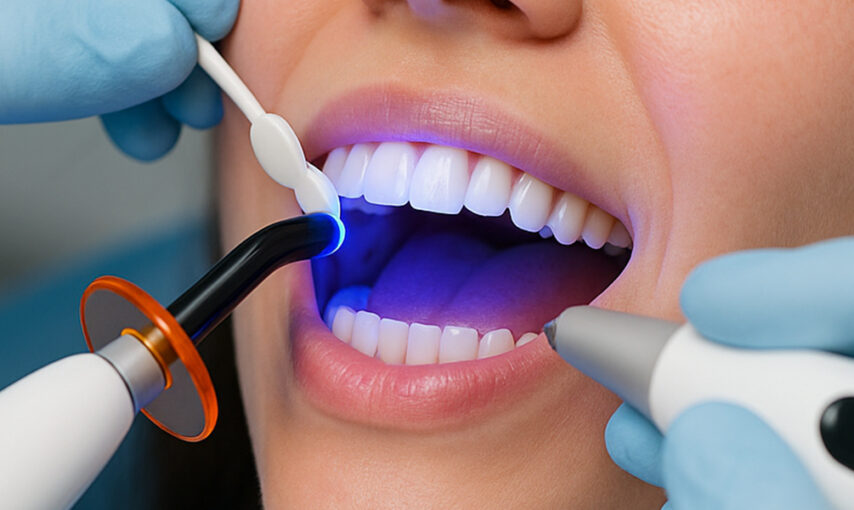
Dental bonding is a simple and comfortable treatment that repairs chips, closes small gaps, and enhances tooth shape or color. While bonding alone can make a significant difference, combining it with other dental treatments can enhance your results dramatically. In this blog, you’ll discover how pairing dental bonding with additional cosmetic procedures can give you a truly impressive smile transformation.

Combining Dental Bonding with Teeth Whitening

Teeth whitening remains a popular cosmetic treatment for patients looking to brighten their smiles. It quickly removes stains, leaving your teeth noticeably brighter. But did you know whitening and dental bonding are an ideal pairing?

Why Whitening Enhances Bonding Results:

Teeth whitening doesn’t change the color of bonded materials. If you’ve been searching for dental bonding near you, it’s important to know that bonding should follow whitening, ensuring perfect color matching.

The Ideal Sequence:

  • Teeth Whitening First – Brighten your natural teeth to your preferred shade.
  • Bonding Second – Match bonding material precisely to your whitened teeth, achieving consistency.

What Patients Can Expect:

  • A brighter, uniform smile.
  • Confidence knowing your teeth appear naturally beautiful.
  • Long-lasting aesthetic improvements.

Considering this combo? It’s one of the simplest yet most effective ways to upgrade your smile.

Dental Bonding and Porcelain Veneers: Can They Work Together?

Dental bonding and porcelain veneers often overlap in their uses, yet each has unique benefits. Combining the two can lead to outstanding cosmetic outcomes.

Scenarios for Combining Veneers and Bonding:

  • Veneers are placed on the front teeth, complemented by bonding to address minor imperfections on adjacent teeth.
  • Bonding is used as a budget-friendly alternative to veneers for less visible areas.

When to Choose Veneers vs. Bonding:

  • Porcelain Veneers are best for comprehensive transformations and severe imperfections, offering longevity and stain resistance.
  • Dental Bonding suits minor corrections, offering quicker and more affordable solutions.

Benefits of Combining Both Treatments:

  • Consistent aesthetics throughout your smile.
  • Veneers offer strength and longevity where most needed, while bonding addresses minor, complementary issues.

By integrating both, you get a harmonious, appealing look tailored precisely to your needs.

Using Dental Bonding with Orthodontic Treatments

Orthodontics straightens and aligns teeth beautifully, yet occasionally, it leaves behind slight imperfections like small spaces, uneven edges, or minor chips. Dental bonding perfectly resolves these issues.

How Bonding Complements Orthodontic Treatment:

  • After orthodontic work, bonding corrects tiny imperfections that orthodontics alone can’t fully address.
  • Ensures a polished, symmetrical smile, enhancing overall orthodontic outcomes.

Timing Considerations:

  • Bonding is best after braces or Invisalign treatments. Teeth alignment needs to be finalized before cosmetic adjustments are made.

The orthodontics-bonding combination delivers remarkable final results, enhancing your overall smile dramatically.

Dental Bonding and Gum Contouring

Combining dental bonding with gum contouring can produce exceptional aesthetic results. Gum contouring reshapes your gums, creating a balanced and attractive smile that bonding further enhances.

Why Gum Contouring Enhances Bonding:

  • Irregular or excessive gum tissue makes teeth appear short or uneven. Gum contouring solves this, ideally preparing your mouth for bonding.

Who is an Ideal Candidate?

  • Patients with uneven gums or those unhappy with their “gummy smile.”
  • Individuals seeking subtle yet significant cosmetic improvements.

Process and Expected Outcomes:

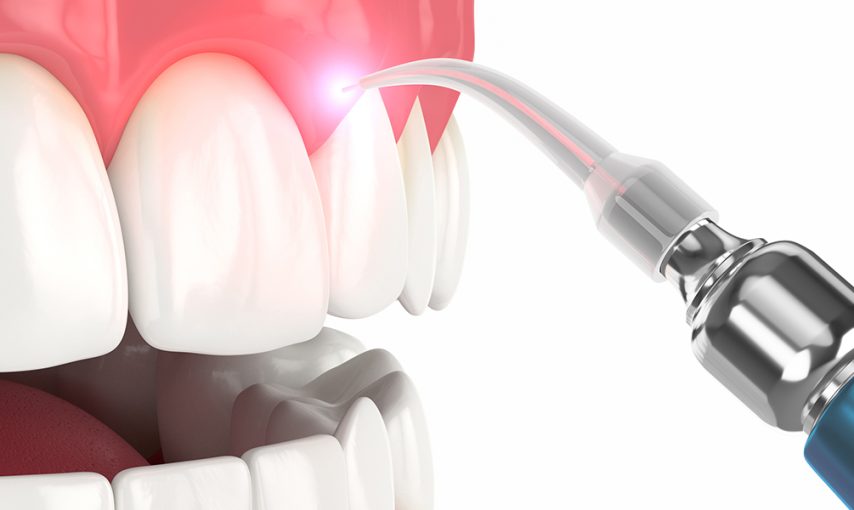
  • Gum contouring is a gentle procedure, typically involving lasers for precision and comfort.
  • After gums heal, bonding corrects tooth imperfections, fills spaces, or lengthens teeth for ideal proportions.
  • Expect dramatically improved aesthetics—a balanced, attractive smile that looks natural and beautiful.

Together, these treatments deliver a truly transformed appearance, greatly enhancing your confidence.

Pairing Dental Bonding with Crowns and Bridges

Dental crowns and bridges restore heavily damaged or missing teeth. However, slight aesthetic concerns might still linger. That’s when bonding becomes incredibly useful.

Circumstances Where Bonding Complements Crowns and Bridges:

  • Filling minor gaps around new dental crowns or bridges.
  • Correcting tiny chips or slight discolorations near existing dental work.

Benefits and Limitations:

  • Bonding quickly addresses small imperfections, improving your smile immediately.
  • Ideal for subtle enhancements, though less durable than crowns or bridges. It suits minor aesthetic concerns perfectly.

Importance of Personalized Assessment:

  • Every smile is unique. A thorough assessment ensures bonding is appropriate and complementary to existing crowns or bridges.
  • Customized treatment ensures your cosmetic improvements look seamless and natural.

This thoughtful combination maximizes both aesthetic and functional dental outcomes, providing comprehensive smile enhancement.

Final Thoughts

Combining dental bonding with other cosmetic treatments is a powerful way to enhance your smile dramatically. Whether paired with whitening, veneers, orthodontics, gum contouring, or crowns, the possibilities are exciting and versatile. To explore personalized options tailored specifically for you, visit your trusted dental clinic for tooth bonding and start your journey to a confident and beautiful smile today!

Ready to enhance your smile and confidence?

Take the next step today by scheduling your personalized consultation with a skilled dentist in Calumet City at Family Dental Care. Our team is dedicated to creating customized cosmetic dental solutions tailored specifically for you. Don’t wait—transform your smile and achieve the attractive, natural-looking results you deserve. Contact us now and smile brighter!

Previous Blog Post

What Can Invisalign Fix? A Look at Common Alignment Issues?

Straight teeth aren’t just about having a great smile—they also keep your mouth healthy. Crooked teeth can make brushing tough, wear down enamel, and even cause jaw pain. That’s where Invisalign comes in. These clear aligners have become one of the most trusted ways to gently move teeth into better positions without metal brackets or…

Read More