Author: Familydentalcare_aDMeeN

May 26, 2025

What Happens If You Ignore a Cavity?

It starts as a whisper—a small twinge or chill in your tooth. Harmless, right? Think again. According to a trusted dentist in Oak Lawn, ignoring a cavity can spiral fast. That quiet ache? It’s just the beginning. What happens next can hurt more than your tooth and your wallet. Let’s break it down before things get worse.

How Cavities Form

Your mouth is full of bacteria. That’s normal. But when these bacteria feed on sugars and starches, they produce acids. These acids eat away at your enamel—the hard outer layer of your teeth. Over time, this creates small holes: cavities.

Once a cavity breaks through the enamel, it creeps into deeper layers of the tooth. And that’s when the trouble begins.

Early signs include:

  • White spots on your tooth
  • Sensitivity to sweets, hot or cold
  • A mild, dull ache
  • Bad breath or a funny taste

These signs are your early warning. Listen to them.

The Early Stages: Minor Discomfort and Sensitivity

In the beginning, cavities don’t scream. They whisper. You might feel a sting when eating ice cream or notice a spot that feels a little off.

Here’s what usually happens:

  • You feel mild pain or tingling when chewing
  • You try to avoid chewing on one side.
  • You tell yourself, “It’ll pass.”

But it doesn’t. It only gets worse. Catching a cavity early means a quick fix—often a simple dental filling service—and you’re good to go. But delay it, and things change fast.

When You Ignore It: Cavity Progression

Think of your teeth like a house. The outer enamel is your roof. If there’s a hole in the roof and you don’t patch it, rain gets in. Water seeps into the walls and floors. The whole structure weakens.

The same happens to your tooth:

  • The cavity moves past the enamel
  • It reaches the dentin (the soft part under the enamel)
  • Pain becomes sharper more often.
  • You might feel a constant throb.

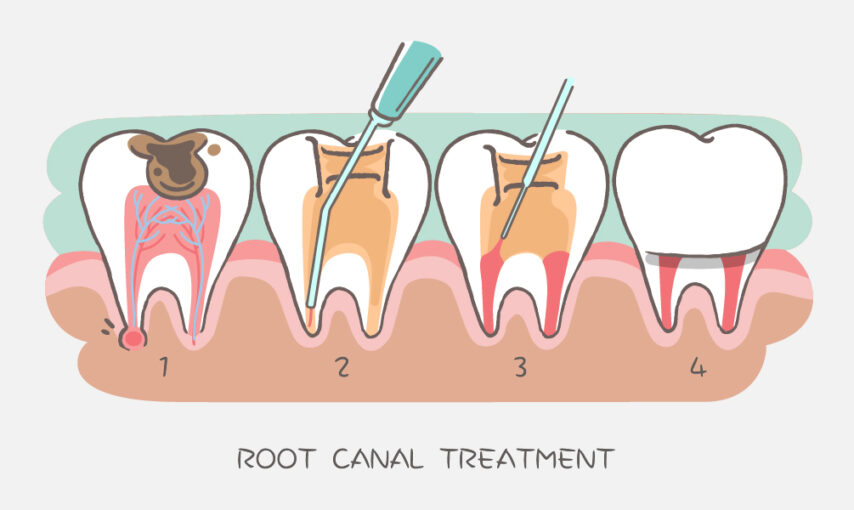
Now, you’re facing a more involved tooth-filling procedure or possibly a root canal. The treatment takes longer, becomes more complex, and brings extra discomfort.

Tooth Infection and Abscess Formation

This part gets serious. If the cavity keeps spreading, bacteria reach the pulp—the innermost part of the tooth. This is where your nerves live. It hurts.

But it’s not just pain. An infection can form. Your body reacts. You might develop:

  • Swelling in your face or jaw
  • A bad taste that won’t go away
  • Fever
  • Swollen lymph nodes

At this stage, you could have an abscess—a pocket of pus under the tooth. It’s not only painful but dangerous. In rare cases, infection from an abscess can spread to your bloodstream or brain.

Consequences for Your Whole Body

Ignoring a cavity doesn’t just hurt your tooth. It can affect your entire system.

Here’s how:

  • Gum inflammation can make diabetes harder to control
  • Oral bacteria can enter the bloodstream.
  • You might feel run-down and tired.
  • Some people experience chronic headaches or jaw pain.

The mouth connects to everything. Keeping it healthy means protecting more than just your smile.

Tooth Loss and the Requirement for Costly Dental Work

When a cavity eats away too much of the tooth, it may be beyond saving. That means extraction.

And once a tooth is gone, you’ve got decisions to make:

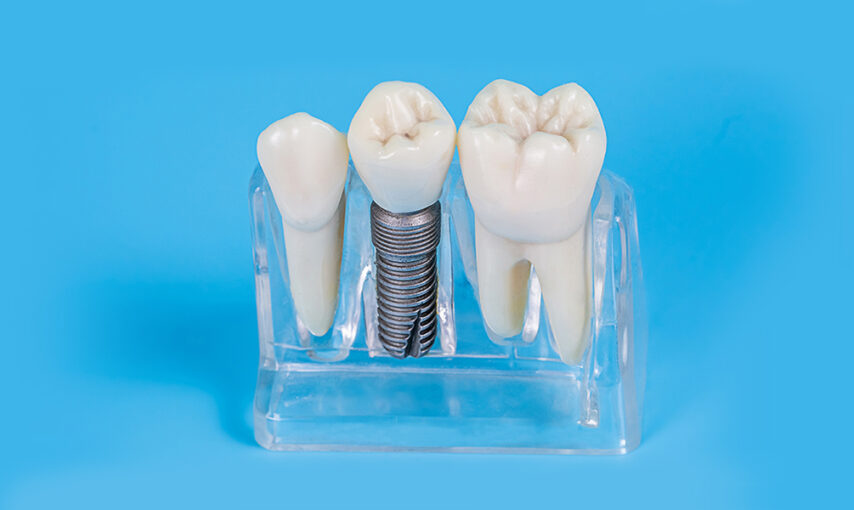
  • Implant?
  • Bridge?
  • Partial denture?

All of these cost more than a filling. A dentist in Oak Lawn can walk you through the options, but it’s not a road you want to go down if you can avoid it.

Tooth loss also affects how you speak, eat, and feel. It’s not just cosmetic. It changes your life.

Emotional and Lifestyle Impact

A cavity might not seem like a big deal, but it can chip away at your confidence. When pain makes it hard to eat or smile, it touches everything—your work, your relationships, your sleep.

Real-life struggles people face with untreated cavities:

  • Smiling less in photos
  • Covering their mouth when laughing
  • Missing out on favorite foods
  • Canceling social plans due to pain

It sneaks in slowly. And suddenly, you’re living around a problem that could’ve been fixed in one visit.

Preventing Cavities and Recognizing When to See a Dentist

The good news? Cavities are preventable. Catching them early makes a huge difference.

Here’s how to stay ahead:

  • Brush twice a day with fluoride toothpaste
  • Floss once a day—yes, really
  • Cut back on sugary snacks and drinks.
  • Drink more water, especially after meals.
  • See your dentist every six months.

If something feels off, like a sharp twinge, dark spot, or new sensitivity, don’t wait. Even if it seems small, that little sign could be your chance to stop a big problem.

Final Thoughts

Don’t let a tiny cavity steal your comfort or your smile. Early care makes all the difference. Visit Family Dental Care today and get ahead of dental trouble. Our team is ready to help you feel better fast. Book your appointment now—your teeth will thank you. Smile brighter, live better, and take control of your dental health.
Previous Blog Post

Can You Combine Dental Bonding with Other Cosmetic Procedures?

Dental bonding is a simple and comfortable treatment that repairs chips, closes small gaps, and enhances tooth shape or color. While bonding alone can make a significant difference, combining it with other dental treatments can enhance your results dramatically. In this blog, you’ll discover how pairing dental bonding with additional cosmetic procedures can give you…

Read More

How do I know if my bone graft is healing properly
May 21, 2025

How Do I Know If My Bone Graft Is Healing Properly?

Thinking about whether your bone graft is healing right? You’re not the only one. If you’ve searched for a dental clinic offering bone grafting treatment near you, chances are you’re in the recovery phase—and wondering what’s next. The healing journey has clues you can trust. Let’s break down what’s normal, what’s not, and when it’s time to reach out for help.

What Is a Bone Graft and Why Is It Done?

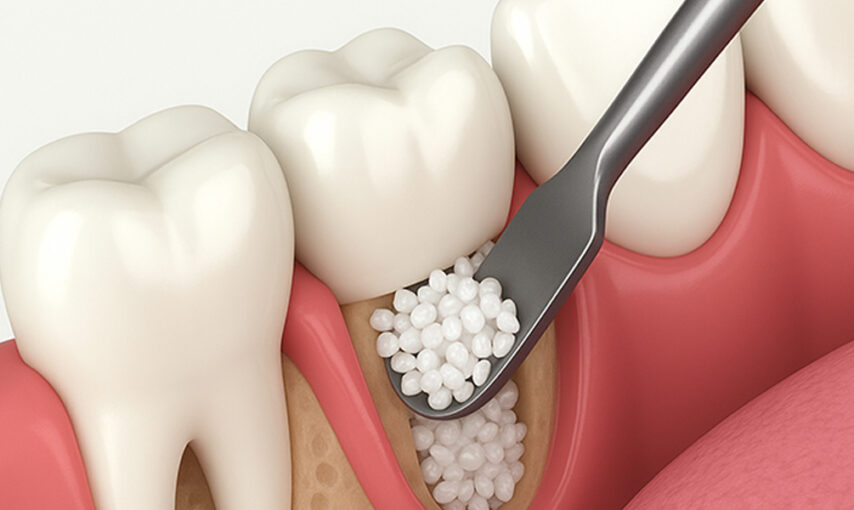
A bone graft is a simple, routine procedure that helps rebuild or strengthen your jawbone. Think of it as a support system. Maybe your bone is weakened from gum disease, an injury, or even tooth loss. A graft helps fix that.

Here’s how it works:

  • Your dentist places small bone material into the weakened spot.
  • This bone can come from you, a donor, or synthetic sources.
  • Over time, your natural bone cells grow around it, making it stronger.

People often get bone grafts to prepare for dental implants. No strong bone = no solid foundation for the implant. That’s where bone grafting services play a big role.

The Typical Healing Timeline

Bone healing takes time. And while everyone’s body is different, there’s a general timeline that must follow:

First Week

  • You may notice some swelling, mild discomfort, and light bleeding. That’s expected.
  • Stick to soft foods and avoid touching the area.

Week 2–3

  • The swelling usually fades.
  • New bone cells begin forming—slowly but steadily.

1–3 Months

  • The graft starts bonding with your jawbone.
  • You may not feel much change, but deep inside, progress is happening.

4–6 Months

  • By now, most grafts are stable.
  • You might be ready for your implant or the next step.

Healing doesn’t happen overnight. It’s a gradual process. But it’s one your body is designed to handle.

Positive Signs Your Bone Graft Is Healing Properly

I’m not sure how to tell if it’s all going well. Here’s what you should notice as your graft heals:

  • Swelling and pain decrease each day. The area should feel more comfortable with time.
  • No oozing or strange smells. Clean healing sites don’t release bad odors.
  • The tissue looks pink and healthy. No weird colors or patches.
  • No loosening. The graft should feel stable, not shifting around.
  • Steady energy levels. Your body isn’t fighting infection, so you feel stronger every week.

Short story—if your mouth feels more normal each day, you’re on the right path.

Red Flags and Complications to Watch For

Your body has ways of waving red flags. Pay attention to them.

If you notice any of the following, call your dentist in Munster right away:

  • Swelling that gets worse after the third day.
  • Sharp or throbbing pain that doesn’t ease with time
  • Pus, yellow discharge, or a foul taste
  • Fever or chills
  • The bone graft site feels loose or moves.
  • Numbness or tingling in nearby areas

Don’t ignore these symptoms. They might mean infection or graft failure. Catching issues early can prevent bigger problems.

Tips to Support Bone Graft Healing

You can’t rush healing, but you can help it along. Here are ways to support your body as it recovers:

Eat Right

Fuel your body with foods rich in calcium and protein:

  • Scrambled eggs
  • Yogurt
  • Mashed sweet potatoes
  • Cooked greens

Skip hard, crunchy, or spicy stuff for a while. They can irritate the area.

Keep It Clean

Lightly cleanse your mouth with warm salt water after meals. Avoid vigorous swishing. A clean mouth heals faster.

Follow Instructions

Stick to your dentist’s recovery plan. Take meds on time. Show up for follow-ups. If they said Don’t touch the area—don’t touch it.

Rest

Your body needs energy to rebuild bone. Try to avoid stress, get good sleep, and skip intense workouts for a few days.

Avoid Smoking

If you smoke, try to pause during healing. Nicotine slows down bone growth and increases the risk of failure.

Taking care of yourself post-surgery helps the graft do its job—and keeps your recovery smooth.

When to Contact Your Dentist or Surgeon

Don’t wait until something feels really off. If something just doesn’t feel right—even if you can’t describe it—reach out.

Here’s when to make that call:

  • Pain lasts beyond the first week or gets worse
  • Do you spot anything unusual around the area?
  • Bleeding doesn’t stop after light pressure.
  • Your stitches come out too early.
  • You run out of medication, and symptoms return.

Your dentist isn’t just there for the procedure. They’re your partner in healing.

Final Thoughts

Recovery doesn’t have to be a guessing game. Stay alert, follow your care plan, and trust the signs your body gives. For extra guidance and peace of mind, connect with the trusted team at Family Dental Care. Your smile deserves the best care—schedule a check-up today and keep your healing journey on the right track.

Previous Blog Post

What Happens If You Ignore a Cavity?

It starts as a whisper—a small twinge or chill in your tooth. Harmless, right? Think again. According to a trusted dentist in Oak Lawn, ignoring a cavity can spiral fast. That quiet ache? It’s just the beginning. What happens next can hurt more than your tooth and your wallet. Let’s break it down before things…

Read More

May 16, 2025

Sports Mouthguards: Why Every Athlete Needs One

Getting ready for game day? One hit to the face can change everything. From cracked teeth to broken jaws, the risks are real. If you’ve been thinking of going to a dental clinic that offers mouthguard services near you, now’s the time to take that step. Whether you’re a weekend warrior or a student-athlete, here’s what you need to know before stepping onto the field.

What Is a Sports Mouthguard?

A sports mouthguard is a soft, flexible device worn over the upper teeth. Its main job is to shield your teeth, tongue, lips, and jaw during physical activity.

Think of it as a helmet for your mouth. You wouldn’t ride a bike without one, right? The same logic applies here.

There are three types of mouthguards:

  • Stock Mouthguards: Pre-formed and ready to wear. They’re cheap but often uncomfortable and don’t stay in place well.
  • Boil-and-Bite Mouthguards: Available at sporting goods stores. You heat them in water, then bite down for a semi-custom fit.
  • Custom-Fit Mouthguards: Made by your dentist in Evergreen Park, these offer the best fit, feel, and protection.

While store-bought options might seem fine, comfort and fit are everything. If it’s uncomfortable, you won’t wear it—and that defeats the point.

Common Sports-Related Dental Injuries

Here’s what can happen when you don’t wear a mouthguard:

  • Cracked or Broken Teeth
  • Tooth Loss
  • Jaw Fractures
  • Lip and Tongue Injuries
  • Root Damage

Basketball, hockey, wrestling, boxing, football—even skateboarding—come with a high chance of facial injuries. Surprisingly, non-contact sports like gymnastics or mountain biking carry risks too. The danger often shows up out of nowhere. One sharp elbow or an unexpected fall is all it takes. That’s why sports mouthguards are essential gear for anyone who takes their safety seriously.

Who Should Wear a Mouthguard?

If you or your child plays sports—contact or not—this applies to you. Mouthguards aren’t just for boxers or hockey players. Anyone active needs one.

Ideal candidates for mouthguards include:

  • Kids and teens in school sports
  • Adults in recreational leagues
  • Athletes with braces or dental work
  • Skateboarders, bikers, martial artists, and more

If there’s a chance of falling, crashing, or getting hit, put one in. It’s that simple.

Benefits of Wearing a Sports Mouthguard

Why bother with one more piece of gear? Because it could save you from painful, costly injuries.

Here’s what a sports mouthguard protects you from:

  • Tooth trauma: Prevents cracks, chips, and tooth loss.
  • Jaw injuries: Absorbs shock to minimize jaw fractures.
  • Soft tissue wounds: Shields lips, cheeks, and tongue.
  • Neck injuries: Helps reduce the impact that can travel to the neck.
  • Concussions: May lower concussion risk by absorbing hits to the chin.

More than just protection, wearing a mouthguard builds confidence. You don’t second-guess yourself when going in for the ball or taking a hit. You play harder because you know you’re safe.

For those searching for mouthguard services near you, be sure to choose a provider who understands athletic safety, not just dental work.

Custom-Fit vs. Store-Bought: Which Is Better?

It’s tempting to grab something off the shelf. Quick. Cheap. Done. But here’s why custom-fit mouthguards win every time:

Custom-Fit Mouthguards:

  • Tailored to your teeth and bite
  • Comfortable to wear during long practices
  • Won’t fall out during intense play
  • Easier to speak and breathe with

Store-Bought Options:

  • One-size-fits-all (but fits nobody well)
  • May cause drooling or gagging
  • Often too bulky for braces or dental work
  • More likely to end up in your bag than in your mouth

With a custom option, you’re more likely to actually wear it—and that’s the whole point.

How to Care for Your Mouthguard

Treat your mouthguard like you treat your gear. Clean it. Store it safely. Check it often.

Mouthguard care tips:

  • Rinse it with cold water after each use
  • Brush it gently with a toothbrush (no toothpaste—it’s abrasive)
  • Soak it in mouthwash or a mild solution weekly.
  • Store in a ventilated container (not in your sweaty gym bag)
  • Avoid heat—never leave it in a hot car or near a heater.
  • Replace it if it’s worn, torn, or no longer fits well.

Taking care of it takes less than a minute. Skipping it? That can lead to bacteria, damage, or even illness.

What to Ask Your Dentist About Sports Mouthguards

A good dentist won’t just hand you a mouthguard and send you on your way. They’ll take time to understand your sport, your dental structure, and your safety needs.

Ask questions like:

  • How thick should my mouthguard be for the sport I play?
  • Can you make one that works with my braces?
  • How long will it last?
  • What happens if I grind my teeth?
  • Will it affect my speech or breathing?

At a dental clinic, you’ll get honest answers and a product that truly fits. One that feels right. 

Final Thoughts

Protecting your smile is just as important as your game-day prep. Don’t let a preventable injury sideline you. If you’re looking for expert care, Family Dental Care offers the protection you need. Get your custom sports mouthguard today and play with peace of mind. Schedule a visit now—your teeth will thank you every time you hit the field.

Previous Blog Post

How do I know if my bone graft is healing properly

How Do I Know If My Bone Graft Is Healing Properly?

Thinking about whether your bone graft is healing right? You’re not the only one. If you’ve searched for a dental clinic offering bone grafting treatment near you, chances are you’re in the recovery phase—and wondering what’s next. The healing journey has clues you can trust. Let’s break down what’s normal, what’s not, and when it’s…

Read More

Top Myths About Dental Implants Debunked
May 11, 2025

Top Myths About Dental Implants Debunked

Missing teeth mess with more than your smile—they shake your confidence. If you’ve searched for dental clinics that offer dental or tooth implants near you, chances are you’ve run into some bad advice. From pain myths to age limits, it’s time to cut through the noise. Let’s break down what’s real—and what’s not—so you can move forward with facts, not fear.

Myth 1: Dental Implants Are Painful

This is hands down the biggest worry people have. But the truth? Most patients say the procedure feels way easier than expected.

Yes, there’s some pressure during the process, but is it actual pain? That’s rare. Your dentist in Crestwood will use local anesthesia to numb the area. Some people even go back to work the next day.

Here’s what patients usually feel:

  • Mild soreness for a day or two
  • Slight swelling (easily managed with ice packs)
  • Over-the-counter medication handles any discomfort.

Most compare it to having a tooth pulled or less.

Myth 2: Implants Are Meant Only for the Elderly

This one needs to go.

While seniors absolutely benefit from implants, they’re not the only ones. People in their 30s, 40s, and even 20s are choosing implants today. As long as your mouth is healthy and your jawbone is strong, age is not a barrier.

It’s about need, not a number.

  • Lost a tooth in a biking accident?
  • Had to extract one due to decay?

An implant can work for you—whether you’re 28 or 68.

Myth 3: They Look and Feel Fake

Nope. Not true. Not even close.

A high-quality dental implant is made to match your natural teeth. Shade, shape, shine—it all blends right in. You won’t notice the difference. And others definitely won’t.

In fact, some patients say they forget which one is the implant.

What makes implants feel natural?

  • Titanium posts fuse with your jawbone, just like a real root
  • Custom crown fits like a puzzle piece
  • No shifting, no movement, no clicking sounds

You can bite into an apple, laugh loudly, and speak with confidence.

Myth 4: Implants Are Too Expensive

Let’s talk about this openly. Yes, implants can feel like a big investment upfront. But you have to look at what you’re really getting.

Why it’s worth it:

  • One-time cost vs. frequent replacements
  • Long-lasting—many last a lifetime
  • No adhesives or cleaning solutions are needed
  • Restores chewing, speaking, and confidence

And with the dental implant services offered at Family Dental Care, you’ll find flexible payment plans and options designed to fit your budget without added stress.

You wouldn’t settle for a short-term fix for your car or home—why do that for your smile?

Myth 5: The Procedure Is Risky and Unreliable

Implants have been around for decades. Success rates? Over 95%. That’s not a gamble—that’s solid ground.

If your gums are healthy and you follow post-care instructions, implants are incredibly reliable. Infection risk is low, especially when you’re in the hands of a skilled professional.

Success depends on:

  • Your general health
  • Good oral hygiene habits
  • Avoiding tobacco use
  • Getting regular checkups

Most issues people hear about come from ignoring aftercare, not the implant itself.

Myth 6: Dentures Are Just as Good

Dentures have their place. But they’re not the same as implants.

Here’s how they differ:

  • Dentures rest on the gums; they can shift, slip, and need adhesives.
  • Implants fuse to your jawbone; they’re stable, strong, and secure.

Plus, implants help prevent bone loss, something dentures can’t do. Your jaw stays strong, and your face keeps its natural shape.

If you’ve ever had to stop mid-bite because your denture moved, you already know the difference.

Myth 7: You Can’t Get Implants with Bone Loss

Think you’re out of luck because your bone has weakened? Think again.

Bone loss is common. That’s why implant specialists offer solutions like bone grafting or mini implants. With a little prep, most patients become solid candidates.

Signs that bone grafting might be suggested:

  • Lost a tooth a long time ago
  • Wearing dentures for years
  • Chronic gum problems

Don’t count yourself out before speaking to a provider offering tooth implants near you. You might be surprised how many options exist.

Myth 8: They Require Too Much Maintenance

Here’s the truth: If you brush, floss, and visit your dentist regularly, you’re already doing what your implant needs.

There’s no long list of special cleaners. No midnight soaks. No complicated steps.

What implants love:

  • Soft-bristle toothbrushes
  • Daily flossing
  • Regular dental cleanings
  • A sugar-balanced diet

Just treat them like real teeth because they act like real teeth.

Final Thoughts

Ready to trade myths for facts and reclaim your smile? Dental implants are more than safe—they’re life-changing. At Family Dental Care, we’re here to guide you every step of the way. Book your consultation today and find out the confidence that comes with a strong, secure smile. Don’t wait—your best smile is closer than you think.

Previous Blog Post

Sports Mouthguards: Why Every Athlete Needs One

Getting ready for game day? One hit to the face can change everything. From cracked teeth to broken jaws, the risks are real. If you’ve been thinking of going to a dental clinic that offers mouthguard services near you, now’s the time to take that step. Whether you’re a weekend warrior or a student-athlete, here’s…

Read More

Toothache Relief Immediate Steps Before Seeing a Dentist
May 06, 2025

Toothache Relief: Immediate Steps Before Seeing a Dentist

Tooth pain doesn’t wait for a convenient moment—it shows up uninvited and refuses to be ignored. If you’re gripping your jaw in frustration, take a breath. This quick guide, trusted by many who visit a dentist in Chicago, shares immediate steps to soothe the ache and keep things under control until professional care steps in.

Understanding the Pain: What’s Really Going On?

Let’s start with what tooth pain actually tells you.

Toothaches can feel different for everyone, but they often fall into a few common types:

  • Throbbing or pulsing pain: Often caused by infection or deep decay.
  • Sharp or stabbing pain: Could be a cracked tooth or sensitivity to temperature.
  • Constant ache: Might signal gum issues or something stuck between your teeth.

Knowing what kind of pain you’re feeling helps narrow down the cause.

First Response: Rinse with Warm Salt Water

It’s basic. It’s old-school. But it works.

Warm salt water does a few important things:

  • Soothes inflamed gums
  • Loosens debris stuck between teeth.
  • Cleans minor infections naturally

How to do it:

Mix half a teaspoon of salt in a cup of warm water. Swish gently for 30 seconds. Spit it out. Repeat two or three times a day.

No fancy ingredients. No fuss. Just simple, fast support for your aching tooth.

Cold Compress: Reduce Swelling, Numb the Pain

Swelling on your face or jaw? Grab a cold compress.

This step isn’t just about comfort. It’s one of the most effective short-term solutions for toothache relief when swelling is present.

Here’s what to do:

  • Place ice or a cold pack in a towel, and wrap it up.
  • Hold it against the outside of your cheek for 15–20 minutes.
  • Repeat every few hours.

The cold helps shrink blood vessels, slows inflammation, and eases discomfort.

Over-the-Counter Helpers: Know What’s Safe

You don’t need a prescription to buy time before your appointment.

Many patients find relief with the following:

  • Ibuprofen or acetaminophen (read labels carefully)
  • Oral gels with benzocaine (use sparingly)
  • Numbing strips designed for oral use

Take only as directed. Pain meds don’t solve the problem, but they help you get through the night without staring at the ceiling.

If you’re unsure what to take, call your dentist in Chicago, even after hours. Many clinics have emergency lines. Don’t wait until morning if things feel worse.

Natural Options: Clove Oil and Home Remedies

Some people swear by clove oil—and for good reason. It contains eugenol, which has numbing power and kills bacteria.

How to use clove oil:

  • Dab a cotton swab in clove oil
  • Gently press it against the sore area.
  • Let it sit for a few minutes, then remove

Other options that might help:

  • Peppermint tea bags: Cool and soothing
  • Garlic paste: Fights germs but has a strong punch
  • Hydrogen peroxide rinse (3% only, diluted): Use once and don’t swallow

Nature isn’t always gentler. Always patch-test first if you’ve never tried these before.

Watch What You Eat and Drink

Certain things will make your pain worse. You may not notice it at first, but a single bite or sip of the wrong food or drink can bring a surge of discomfort.

Here’s what to skip:

  • Ice-cold drinks
  • Sugary snacks
  • Acidic fruits
  • Sticky candy

Stick to soft, room-temperature meals. Think mashed potatoes, scrambled eggs, or oatmeal. Avoid chewing on the side of your sore tooth. That bite of granola can wait.

When You Should Call the Dentist—No Delays

Some signs should never be ignored. If you notice any of the following, make the call. Don’t wait.

  • Swelling that spreads to your jaw or neck.
  • Fever with tooth pain
  • Difficulty breathing or swallowing
  • Pus or foul taste from the tooth
  • Bleeding that won’t stop.

Even if the pain fades, these signs could point to serious infections that need urgent care. Infections in the mouth don’t stay in the mouth. They can move fast and hit hard.

What If You Can’t Get an Appointment Right Away?

We get it. Life’s busy. Clinics get booked. But pain doesn’t follow schedules. Here’s how to hold the line until you get seen:

  • Keep using warm salt rinses.
  • Stick to over-the-counter meds.
  • Rest with your head elevated to reduce pressure.
  • Stay away from the sore spot when eating or brushing.

You’re not alone. Many people face this kind of wait time. Keep managing the symptoms, and be honest about your pain when scheduling.

Final Thoughts

Tooth pain shouldn’t hold you back from living your day. Don’t ignore it—get the right help when you need it. At Family Dental Care, we’re ready to treat the cause, not just the symptoms. Book your visit today, and let us help you get back to smiling without pain. Your comfort and care start here.

Previous Blog Post

Top Myths About Dental Implants Debunked

Top Myths About Dental Implants Debunked

Missing teeth mess with more than your smile—they shake your confidence. If you’ve searched for dental clinics that offer dental or tooth implants near you, chances are you’ve run into some bad advice. From pain myths to age limits, it’s time to cut through the noise. Let’s break down what’s real—and what’s not—so you can…

Read More

What is the healthiest way to clean your teeth
May 01, 2025

What is the Healthiest Way to Clean Your Teeth?

Do you think brushing is enough? Think again. The way you clean your teeth matters just as much as how often. According to a trusted dentist in Calumet City, your technique, tools, and daily habits can make or break your smile. Here’s how to do it right—simple, smart steps for a healthier mouth that actually lasts.

Brushing Technique Matters More Than You Think

Most people brush too fast or with too much pressure. That’s like scrubbing your car with steel wool—your enamel won’t thank you.

Do this instead:

  • Hold your toothbrush at a 45-degree angle.
  • Use short strokes, moving in a circular motion.
  • Focus on one section at a time—top, bottom, front, back.
  • Don’t forget the gumline. That’s where food likes to hide.

Brush for two full minutes. Set a timer. Hum, your favorite song. Just don’t rush. The goal is to clean, not win a race.

Choosing the Right Toothbrush: Manual vs. Electric

Both work well when used properly. But they offer different experiences.

  • Manual toothbrush: Budget-friendly, easy to carry, and has good control.
  • Electric toothbrush: Rotating bristles do more of the work, which is helpful for people with limited mobility or who tend to brush too hard.

Choose one that feels good in your hand and reaches all areas of your mouth. If your current brush feels rough or your gums bleed often, it might be time to switch.

Just remember: Change your toothbrush every 3 months—or sooner if the bristles look frayed.

What Kind of Toothpaste is Best for You?

Toothpaste isn’t one-size-fits-all. Look for fluoride—it helps protect against cavities. From there, match your needs.

Look for options labeled:

  • Whitening (if you want brighter teeth)
  • Sensitivity relief (if ice cream makes you wince)
  • Tartar control (if plaque builds up fast)

Avoid ones with harsh ingredients if your gums are sensitive. Your tooth cleaning treatment should feel gentle, not gritty.

Ask your dental provider what they recommend if you’re not sure. The right toothpaste makes a difference.

Don’t Skip Flossing: It’s Just as Important

Brushing only reaches about 60% of your tooth surface. The rest? That’s where floss comes in.

Flossing removes:

  • Food stuck between teeth
  • Plaque hiding under the gumline
  • Bacteria that cause bad breath

Make it a habit:

  • Take 18 inches of floss thread, wrap it around your fingers
  • Gently slide it between each tooth.
  • Curve it around the tooth and move it up and down.

Try floss picks if string floss feels awkward. Water flossers are great, too—especially if you wear braces or have tight spaces.

Rinsing Right: Mouthwash and Water Use

A rinse can’t replace brushing or flossing. But it’s a good sidekick.

Choose mouthwash based on your needs:

  • Antibacterial for gum health
  • Fluoride rinse for cavity protection.
  • Alcohol-free if your mouth feels dry or irritated

Swish after brushing or flossing. But don’t rinse with water right after using a fluoride rinse—give it time to work.

Also, drink more water during the day. It helps wash away food crumbs and keeps your mouth moist. A dry mouth invites bacteria.

How Diet Affects Your Teeth

You might not think about your teeth when reaching for a snack. But your choices add up.

Foods that help:

  • Crunchy fruits and veggies like apples, celery, carrots
  • Cheese and yogurt (calcium and good bacteria)
  • Water with fluoride

Foods to limit:

  • Sugary drinks (soda, energy drinks, even juice)
  • Sticky snacks (gummy candy, dried fruit)
  • Acidic foods (citrus, pickles)

If you eat something sugary or acidic, wash your mouth with water. Don’t brush right after—you’ll spread the acid around.

Eating smart helps your teeth stay clean between brushes. That’s a win.

Professional Cleanings: How Often Should You Go?

Even if your brushing game is strong, your dentist can catch what you can’t.

Schedule dental cleaning services at least twice a year. Some folks need it more often, especially if they have gum issues or a history of cavities.

Cleanings help remove:

  • Hardened plaque (tartar)
  • Surface stains
  • Bacteria below the gumline

Plus, your dentist can spot problems early—before they become big (and expensive).

If you’re overdue, no judgment. Just make the appointment. Your smile is worth it.

Tips for a Cleaner, Healthier Mouth

Want to take your routine to the next level? These extras help keep things fresh:

  • Scrape your tongue. Use a tongue scraper or the back of your toothbrush to remove buildup and bad breath.
  • Chew sugar-free gum. It boosts saliva, which protects your teeth.
  • Use a straw. Soda or juice keeps sugar off your teeth.
  • Store your toothbrush upright. Let it air dry to keep it clean.
  • Replace old dental tools. Worn floss picks and brushes don’t work well.

Final Thoughts

Healthy teeth start with smart choices. You don’t need perfection—just consistency and the right support. Family Dental Care is here to help every step of the way. Ready for expert guidance and a brighter smile? Book your visit today and take the first step toward better oral health.

Previous Blog Post

Toothache Relief Immediate Steps Before Seeing a Dentist

Toothache Relief: Immediate Steps Before Seeing a Dentist

Tooth pain doesn’t wait for a convenient moment—it shows up uninvited and refuses to be ignored. If you’re gripping your jaw in frustration, take a breath. This quick guide, trusted by many who visit a dentist in Chicago, shares immediate steps to soothe the ache and keep things under control until professional care steps in….

Read More

Apr 26, 2025

Quick Fixes with Dental Bonding: Addressing Imperfections in a Single Visit

If you’ve been struggling with minor dental imperfections, you’re not alone. Thankfully, there’s a simple solution that can quickly restore the beauty of your smile—dental bonding treatment. This procedure is a game-changer, addressing various cosmetic concerns in just one visit. Let’s explore how dental bonding can help you achieve the smile you’ve always wanted without lengthy treatments or complex procedures.

What is Dental Bonding?

Dental bonding offers a simple and fast solution for correcting imperfections in your teeth. It includes using a tooth-colored resin to the affected area, which hardens when exposed to a special light. After it sets, the resin is carefully shaped to blend well with the natural contours of your teeth, resulting in a flawless finish.

The resin used in dental bonding is incredibly versatile. It’s designed to blend perfectly with your natural teeth, making it almost impossible to detect once applied. This treatment is ideal for repairing chips, cracks, or discoloration and is one of the least invasive options available.

Common Imperfections Treated with Dental Bonding

One of the major reasons people choose dental bonding treatment is its ability to address a variety of dental imperfections. Here are some of the most common concerns that bonding can fix in just one visit:

  • Chipped or Cracked Teeth: Bonding can quickly smooth out chips or cracks, restoring the tooth’s shape and functionality.
  • Gaps Between Teeth: Whether it’s a small gap or a more noticeable one, dental bonding can fill in those spaces, improving the overall appearance of your smile.
  • Discolored Teeth: Bonding can be an excellent solution for teeth that have been stained or discolored, giving you a brighter, whiter smile.
  • Misaligned or Uneven Teeth: If you have slight misalignment, dental bonding can help reshape your teeth, improving symmetry without the need for braces.

The Benefits of Choosing Dental Bonding

Why choose dental bonding? Here are a few reasons why this treatment is so popular:

  • Quick Procedure: One of the crucial advantages of dental bonding is the time it takes. You can fix your imperfections in a single visit, making it perfect for those with busy schedules.
  • Cost-Effective: Compared to various other cosmetic dental procedures, bonding is often more affordable, offering great results without breaking the bank.
  • Non-Invasive: No need for drills or injections in most cases. The bonding procedure is relatively painless, with no need for anesthesia unless other dental work is being done.
  • Natural Results: The resin used in bonding mimics the appearance of natural teeth, so the results are virtually indistinguishable from your original smile.

What Can You Expect During a Dental Bonding Appointment?

If you’re wondering what happens during a dental bonding appointment, here’s a quick rundown:

  1. Consultation: Before starting, your dentist in Oak Lawn will examine your teeth to decide if bonding is the right solution for you.
  2. Preparation: In most cases, your dentist will prepare your tooth by roughening the surface slightly. This helps the bonding material adhere better.
  3. Application of Resin: Next, a tooth-colored resin is applied to the tooth. Your dentist will carefully shape it to match the tooth’s natural contours.
  4. Hardening: Once the resin is in place, a special light is used to harden the material, ensuring it stays securely in place.
  5. Final Shaping and Polishing: Once the resin has hardened, your dentist will contour and polish the bonded area to ensure it seamlessly matches the adjacent teeth.

Typically, the whole procedure can be finished in a single visit, with each tooth taking around 30 minutes to an hour.

Post-Treatment Care and Maintenance

Following your dental bonding appointment, it’s important to care for your teeth properly to preserve the results. Here are some helpful tips to keep your bonded teeth in excellent condition:

  • Avoid Hard Foods: For the first 24 to 48 hours, avoid hard or sticky foods that could potentially damage the bonding material.
  • Good Oral Hygiene: Continue brushing and flossing your teeth as usual, but be gentle around the bonded area to avoid causing any wear.
  • Regular Dental Check-Ups: Your reliable dentist will check the bonding material during regular check-ups to ensure it remains intact. If any wear or damage occurs, touch-ups are usually easy and quick to perform.
  • Avoid Staining Foods and Drinks: Just like original teeth, bonding material can stain. For a whiter smile, try to cut back on coffee, tea, and other substances that can cause staining.

Bonding usually lasts 5 to 10 years, though with proper maintenance, it can last even longer.

Is Dental Bonding Right for You?

So, how do you know if dental bonding is the right solution for your needs? Here are a few factors to consider:

  • Type of Imperfection: Bonding works best for minor imperfections. If you have more significant dental issues, like severe misalignment or large gaps, other treatments like veneers or crowns might be more appropriate.
  • Your Expectations: Dental bonding offers great cosmetic results, but it’s important to understand its limitations. If you’re looking for a more permanent or durable solution, other options may be a better fit.
  • Your Budget: While bonding is cost-effective, if you’re looking for a long-lasting fix, you may want to explore other alternatives that come with a higher price tag.

Discussing your options with a dentist at 60453 will help you make an informed decision that fits your dental needs.

Final Thoughts

If you’re looking for a quick, effective, and affordable solution to minor dental imperfections, dental bonding could be the answer. From filling gaps to fixing chips and discoloration, bonding can work wonders in just a single visit. For personalized care and expert advice, consult with a trusted dentist at Family Dental Care and take the first step toward a more confident smile.

Previous Blog Post

What is the healthiest way to clean your teeth

What is the Healthiest Way to Clean Your Teeth?

Do you think brushing is enough? Think again. The way you clean your teeth matters just as much as how often. According to a trusted dentist in Calumet City, your technique, tools, and daily habits can make or break your smile. Here’s how to do it right—simple, smart steps for a healthier mouth that actually…

Read More

Apr 21, 2025

How Dental Sealants Protect Against the Leading Cause of Tooth Decay?

Tooth decay is a common yet preventable problem, and the secret to guarding your teeth lies in a simple solution: dental sealants. These invisible shields protect your teeth from harmful bacteria and acids, especially in those tricky, hard-to-reach areas. Keep reading to discover how dental sealants can be your best defense against cavities and help you maintain a healthy smile!

Understanding Tooth Decay: The Leading Cause

Tooth decay occurs when plaque, a sticky film of bacteria, builds up on the teeth. This plaque interacts with sugars and starches from food, creating acids that erode tooth enamel. Over time, this acid damage leads to cavities.

The most vulnerable areas for tooth decay are the chewing surfaces of the back teeth—molars and premolars. These teeth consist of deep pits and grooves, where food crumbs and plaque tend to get trapped. Because these areas are harder to clean thoroughly with just brushing, decay often starts here.

What Are Dental Sealants?

Protect your teeth from decay with dental sealants. These thin plastic coatings, applied by your dentist, cover the chewing surfaces of your molars and block food particles and bacteria from reaching deep grooves.

Sealants are applied quickly and painlessly. A dentist will clean and dry the teeth, then paint the sealant onto the surface. Once it’s in place, it hardens and forms a durable barrier. The process is non-invasive, making it an excellent option for both children and adults.

How Dental Sealants Prevent Tooth Decay?

Dental sealants primarily work by creating a protective barrier over the enamel. This shield prevents harmful bacteria and food particles from reaching the tooth surface, stopping them from attacking the enamel. By blocking these substances from settling in the grooves of the teeth, sealants significantly reduce the risk of tooth decay.

For example, if you have deep pits in your back teeth, food can easily get stuck, and it’s challenging to clean these areas with a toothbrush. A tooth sealant prevents this problem by sealing those pits, keeping bacteria and acids at bay.

Who Can Benefit from Dental Sealants?

Dental sealants are an ideal preventive treatment for children, particularly those who have just gotten their permanent molars. Since kids often struggle with brushing effectively, dental sealants can give their teeth the extra protection they need during the cavity-prone years.

Adults who are at alleviated risk for tooth decay—whether due to a history of cavities or a lack of proper oral hygiene—can also benefit from sealants. A dentist in Munster can help determine if sealants are a good fit for your needs.

The Application Process of Dental Sealants

Dental sealant application is a simple and fast process, beginning with the dentist cleaning and drying the teeth to be treated. Next, a special solution is applied to help the sealant bond to the tooth surface. Once the solution is applied, the dentist paints the sealant onto the tooth, carefully covering the grooves of the molars.

In most cases, the sealant hardens within seconds under a special light. This entire process usually takes only a few minutes per tooth, making it a fast, effective option for protecting your teeth. It’s a non-invasive procedure that doesn’t require drilling or injections.

Are Dental Sealants Effective?

Studies have shown that dental sealants are highly effective in preventing tooth decay. They can reduce the risk of cavities by up to 80% in the first two years after application. Sealants are particularly effective when put to the chewing surfaces of back teeth, where dental cavities are most probably to develop.

While dental sealants don’t last forever, they can provide lasting protection for several years. Depending on the wear and tear from chewing, a dentist might recommend reapplying sealants after five to 10 years. Regular dental check-ups are very important to make sure that the sealants remain intact and effective.

Are There Any Risks or Side Effects?

The application of dental sealants is a safe procedure with minimal risks. Most patients experience no discomfort during or after the application. However, there may be slight sensitivity or a feeling of something foreign in the mouth right after the procedure. This usually goes away quickly.

Some people worry about the materials used in sealants, but modern sealants are made from safe, non-toxic materials. It’s important to note that while rare, some individuals may experience allergic reactions to the components, though this is extremely uncommon.

Final Thoughts

Getting dental sealants into your oral care routine is an effective way to protect your teeth from decay. With their simple application and lasting protection, sealants are a smart choice for both children and adults. If you’re searching for dental sealant treatment near you, visit Family Dental Care for expert care and preventive solutions that will keep your smile healthy for years to come.

Previous Blog Post

Quick Fixes with Dental Bonding: Addressing Imperfections in a Single Visit

If you’ve been struggling with minor dental imperfections, you’re not alone. Thankfully, there’s a simple solution that can quickly restore the beauty of your smile—dental bonding treatment. This procedure is a game-changer, addressing various cosmetic concerns in just one visit. Let’s explore how dental bonding can help you achieve the smile you’ve always wanted without…

Read More