Author: Familydentalcare_aDMeeN

pediatric dentist in Evergreen Park, IL
Aug 16, 2023

What Age to Stop Seeing a Pediatric Dentist?

Since visiting a dentist can be a stressful experience for a few kids, parents usually choose a pediatric dentist and often continue to see them into their teenage years. These experts specialize in unique dental needs for toddlers, elementary-aged kids, and teens. Compared to general dentists, pediatric dentists are much more aware of the problems associated with the oral development of an adolescent. Plenty of general dentists provide pediatric dentist services. But they do not have experience and extra training in pediatric dentistry.

General Dentist v/s Pediatric Dentist

Both general and pediatric dental professionals help to maintain a healthy smile for their kids in the long term. But there are certain differences:

  • Same as an adult dentist, a pediatric dentist near you has all the education. But the latter one has done training in pediatric dentistry. In the two years of additional training, pediatric dentists learn how to manage and treat developing teeth. This child-specific training makes them an ideal choice for the children. When your kid requires braces, the pediatric dental professional refers you to an experienced orthodontist near you.
  • Regular dentists can treat kids too, but they have more experience in offering dental care to seniors and adults. So, if your kid has special needs or is fearful of the dental procedure, a regular dentist might not help with that.
  • Pediatric dental offices focus on children and their needs. A pediatric dentist also treats and checks orthodontic problems as well. The staff knows how to create an anxiety-free experience. You will see kid books, toys, brightly designed walls, and other attractive things in the waiting area. But you don’t see such things in a general dental office. Also, regular dentists are not experts in child behavior.

Pediatric Dentist Age Limit – When to Start Seeing a General Dentist?

When your kids reach their late teen stage, they are more prone to experience essential jaw and face growth. They are also receiving their last adult teeth, which are prone to tooth decay. Numerous teenagers need orthodontic screening and require evaluation on whether he/she requires wisdom tooth removal. With time, your kid will create a strong bond with the pediatric dentist. It makes it tough to see a regular dentist.

Pediatric dentists continue to deliver dental care to your kid till the last adult teeth erupt. Most adults develop all their adult teeth between 12 to 14 years. But there is no specific age limit for children. So, when they reach their late teenage years and feel ready for a change, you can take them to a regular dentist.

Furthermore, patients prefer to visit an adult dentist when their wisdom teeth develop (between 17 and 25 years). In case of an impacted wisdom tooth, your teenager requires removal. Once your kid begins to visit a regular dentist, they do not need to switch again. Although they might need the help of a new dentist, they don’t require a pediatric dentist. Since a regular dentist treats adults of every age, your child can continue to see for the remainder of his life.

Visiting a pediatric dentist 60805 is best for teens because they know their entire history and will offer the personalized dental care they require. The right time to switch from children to regular dentists relies on behavior, specific needs, and overall oral health.

You can speak to your kid about the switch by evaluating their teeth condition. If you notice all their adult teeth in their mouth, it’s the right time to move on. Doing this will let your kid receive the appropriate dental care as per their age. One of the crucial aspects of switching to an adult dentist is ensuring your kid is okay with it. To make a smooth transition, strong communication between your kid, you, and your children’s dentist is essential.

As your kid grows into an adult, it’s worth seeing the same healthcare provider. But if you have a teenager but he/she is not feeling ready to move on, speak to the pediatric dentist at Family Dental Care – Evergreen Park, IL quickly. The professional will offer tips on how your teenager can maintain dental care while ensuring the transition to the next stage smoother.

Previous Blog Post

Can a Regular Dentist Do a Bone Graft?

In the field of dentistry, various procedures are performed to restore and enhance oral health. One such procedure is a bone graft, which plays a crucial role in preparing the jawbone for dental implants or other restorative treatments. Many individuals often wonder if a regular dentist can perform a bone graft. Introduction: Understanding Bone Grafting…

Read More

Aug 11, 2023

Do I Need a Filling if I have no Pain?

If you suspect having a cavity but don’t experience any pain or discomfort, you might wonder if it’s necessary to visit a dental clinic and have your cavity filled. Keep reading this blog to discover the answer and understand the significance of early cavity treatment.

Do I Need to Get a Cavity Filled if I Don’t Feel Any Discomfort or Pain?

Yes, it’s necessary to have a cavity filled even if you don’t feel any pain. Most cavities do not cause pain until they become profound and significant. However, delaying treatment can lead to future pain, discomfort, and potential complications like tooth infections.

How can I tell if I have a Cavity without Experiencing Pain?

Even without a toothache, cavities can cause tooth sensitivity. Pay attention to how your tooth feels when you consume hot or cold foods and sugary items. Sensitivity may indicate the presence of a cavity.

However, some cavities may not show any symptoms; this makes it difficult to discover them on your own. Regular visits to your dentist near you are crucial for maintaining oral health. During routine check-ups and cleanings every six months, your dentist can examine your teeth, identify potential cavities, and use X-rays to detect hidden signs of decay.

What Happens if I Don’t Get a Filling for a Cavity?

The cavity will worsen over time, and your tooth may eventually become infected, requiring root canal therapy and a dental crown. These treatments are more complex, invasive and costly than simple fillings. Cavities do not disappear on their own and should not be ignored, even if they are not currently causing pain or discomfort. Cavities can continue to progress and become more severe since they trap food debris and bacteria that would typically be eliminated through regular brushing. Maintaining good overall oral hygiene is not sufficient to prevent cavities from deepening.

Benefits of Dental Fillings

Some of the benefits of dental fillings at Family Dental Care in Crestwood include:

Treating a cavity with a dental filling effectively halts its further growth. During the cavity treatment, your dentist removes the decay-causing bacteria and prevents the affected tooth from developing a larger cavity in that area. This approach also minimizes the risk of future decay in that tooth region. Thus, dental fillings play an important role in preventing future tooth decay.

When considering applying a dental filling near you, it is essential to recognize the condition of the tooth being treated. Typically, decay has affected the tooth to some extent. By using filling materials to restore the tooth, the filling strengthens the natural structure weakened by decay. Consequently, the tooth becomes less susceptible to fractures caused by decay, improving its overall strength.

Dental fillings effectively repair broken teeth or teeth damaged by teeth grinding (bruxism). Depending on the severity of the injury, a filling can be utilized for substantial tooth repair, allowing the tooth to regain its natural appearance and functionality. If you require multiple restorations due to decay on various teeth, don’t let anxiety hinder you from seeking necessary treatment. Discuss the option of sleep dentistry with your dentist to ensure a comfortable experience with minimal visits.

Dental fillings also enhance the appearance of a tooth. Decay or injuries to teeth, especially those in the front, can cause significant embarrassment or anxiety. Dental fillings can address these concerns by filling the cavities and improving the tooth’s aesthetic. They can even be used to reshape and cover front teeth, helping you achieve the smile you desire.

One additional benefit of dental fillings is that certain fillings may release fluoride into the tooth. This fluoride release, although not applicable to all fillings, can aid in repairing the tooth and remineralizing any remaining decay. Fluoride helps reduce bacterial growth and prevents further tooth decay. This makes the filling an immediate solution to the tooth problem and a means of strengthening your tooth.

In some cases, fillings serve as a preventative measure. By addressing tooth decay at an early stage with a filling, the need for more extensive fillings in the future can be avoided. Additionally, dental fillings may release fluoride, inhibit bacterial growth, and prevent further damage to the tooth. If you have deep grooves, fissures, or signs of wear or erosion on your teeth, a preventative dental filling might be recommended.

Previous Blog Post

pediatric dentist in Evergreen Park, IL

What Age to Stop Seeing a Pediatric Dentist?

Since visiting a dentist can be a stressful experience for a few kids, parents usually choose a pediatric dentist and often continue to see them into their teenage years. These experts specialize in unique dental needs for toddlers, elementary-aged kids, and teens. Compared to general dentists, pediatric dentists are much more aware of the problems…

Read More

periodontal disease treatment in Chicago, IL
Aug 06, 2023

Can I Keep My Teeth with Periodontal Disease?

Periodontal disease is a prevalent oral health condition that impacts the gums and the supporting structures surrounding the teeth. Many individuals with periodontal disease wonder if they can keep their teeth despite this condition. Let’s know it in detail.

Understanding Periodontal Disease

Periodontal disease, also known as gum disease, is an inflammatory condition that affects the tissues surrounding the teeth. It all begins with the adherence of plaque, a sticky film composed of bacteria, to the tooth surfaces. Over time, if left untreated, plaque hardens into tartar, leading to gum inflammation and the formation of periodontal pockets.

Causes of Periodontal Disease

The development of periodontal disease is influenced by multiple factors.

Poor oral hygiene practices, smoking tobacco, genetic predisposition, hormonal fluctuations, specific medications, and underlying health conditions such as diabetes all contribute to an increased risk. Additionally, neglecting regular dental check-ups and cleanings can also contribute to the progression of periodontal disease.

Symptoms and Diagnosis

Periodontal disease often manifests through common symptoms, such as swollen or tender gums, bleeding gums when brushing or flossing, persistent halitosis (bad breath), gum recession, and loose teeth.

If you experience any of these symptoms, it is crucial to visit a dentist near you for a thorough examination. A dentist will evaluate your oral health, measure periodontal pockets, and may recommend X-rays for a comprehensive diagnosis.

Treatment Options for Periodontal Disease

The treatment for periodontal disease depends on the severity and progression of the condition. In the early stages, non-surgical treatments such as scaling and root planing, also known as deep cleaning, may be sufficient to remove plaque and tartar buildup.

However, in advanced cases, surgical interventions like gum grafts, flap surgery, or bone grafting may be necessary to restore the health of the gums and supporting structures. Visit a periodontal disease treatment near you now.

Importance of Seeking Treatment Near You

When dealing with periodontal disease, seeking treatment near you is crucial. A dentist who specializes in periodontal care can provide personalized treatment plans based on the severity of your condition.

Regular visits to a dentist in your area will ensure close monitoring of your oral health, early detection of any changes, and prompt intervention if needed.

Maintaining Oral Hygiene

Good oral hygiene practices play a vital role in managing periodontal disease. Brushing your teeth twice a day with a soft-bristled toothbrush and fluoride toothpaste, flossing daily, and using an antimicrobial mouthwash can help control bacterial growth.

It is also essential to replace your toothbrush regularly and avoid tobacco use, as smoking can exacerbate gum disease. Consult a dentist 60617 for professional guidance.

How Long Does Periodontal Treatment Take?

The duration of periodontal treatment varies depending on the severity of the disease and the chosen treatment approach. It can range from a few weeks to several months, with ongoing maintenance visits required to ensure long-term oral health.

Will I Lose All My Teeth If I Have Periodontal Disease?

Not everyone with periodontal disease will lose their teeth. With timely treatment, proper oral hygiene, and regular dental check-ups, it is possible to maintain your natural teeth despite having gum disease. You can consult Family Dental Care – Chicago to get the right advice.

Prevention Tips

Adopting preventive strategies is crucial to managing periodontal disease effectively. Incorporating the following habits into your daily routine can help prevent the development or progression of gum disease:

  • Quit smoking or using tobacco products.
  • Use an electric toothbrush for more effective plaque removal.
  • Attend regular dental check-ups and cleanings.
  • Manage underlying health conditions like diabetes effectively.

The Role of Dentists in Managing Periodontal Disease

Dentists play a crucial role in the management of periodontal disease. They have the expertise to diagnose the condition accurately, create personalized treatment plans, and guide patients on effective oral hygiene practices. Dentists also monitor the progress of the disease and make necessary adjustments to the treatment plan to ensure optimal oral health.

How Do Dentists Treat Periodontal Disease?

Dentists employ various treatment approaches depending on the severity of the periodontal disease. These may include:

  • Remove tartar and plaque by root planing and scaling.
  • Administration of antibiotics or antimicrobial mouthwashes.
  • Flap surgery or gum grafts are like surgical interventions.
  • Ongoing maintenance and follow-up visits to monitor progress.

Prognosis and Long-Term Management

The prognosis for keeping your teeth with periodontal disease depends on several factors, including the severity of the disease, treatment adherence, and maintaining good oral hygiene practices.

With early detection, timely intervention, and proper management, it is possible to control periodontal disease and preserve your natural teeth. Regular dental visits and consistent oral care routines are essential for long-term success.

Previous Blog Post

Do I Need a Filling if I have no Pain?

If you suspect having a cavity but don’t experience any pain or discomfort, you might wonder if it’s necessary to visit a dental clinic and have your cavity filled. Keep reading this blog to discover the answer and understand the significance of early cavity treatment. Do I Need to Get a Cavity Filled if I…

Read More

Aug 01, 2023

Is It Recommended to Visit an Endodontist for a Root Canal?

Root canal treat and rescue a severe damage or infection in the tooth. When faced with a need for a root canal, many patients wonder whether it’s better to go to an endodontist specifically for this treatment.

When faced with the prospect of a root canal, it’s natural to have concerns and questions about the procedure. Choosing the right dental professional to perform the treatment is crucial for success and overall experience.

Understanding Root Canal Therapy

Root canal therapy, commonly referred to as endodontic treatment, entails the extraction of the infected or injured pulp residing within the tooth, followed by meticulous cleansing and disinfection of the root canals.

When the pulp, comprising nerves, blood vessels, and connective tissue, becomes inflamed or infected as a result of deep decay, repetitive dental treatments, tooth fractures, or trauma, this particular procedure becomes imperative. By undergoing a root canal, you have the opportunity to salvage the tooth, thus eliminating the need for extraction.

The Role of an Endodontist

An endodontist is a dental specialist who has undergone additional years of training beyond dental school to specialize in diagnosing and treating dental pain and performing root canal procedures.

While general dentists are also qualified to perform root canals, endodontists possess a higher level of expertise and experience in this specific area of dental care.

Expertise and Specialization of an Endodontist

Endodontists dedicate their entire practice to performing root canals and other endodontic procedures. Their specialized training equips them with in-depth knowledge of the complexities of root canal treatment, enabling them to handle even the most challenging cases. By choosing an endodontist for your root canal, you can have confidence in their ability to provide precise and effective treatment.

Advanced Technology and Techniques

Endodontists stay up-to-date with the latest advancements in root canal therapy, utilizing advanced technology and techniques to ensure optimal results.

They have access to state-of-the-art equipment, such as digital imaging, 3D imaging, and operating microscopes, which allow an accurate diagnosis, thorough treatment, and enhanced patient comfort. Such advanced tools can contribute to a more efficient and successful root canal procedure. We recommend visiting a dentist near you that has these facilities.

Personalized Treatment Plans

Endodontists focus on delivering personalized treatment plans tailored to each patient’s unique needs. They thoroughly evaluate the tooth condition, consider the patient’s overall oral health, and create a customized approach to address the specific issues. This individualized care ensures that the root canal treatment is comprehensive and maximizes the chances of long-term success.

Pain Management and Sedation Options

Endodontists are skilled in managing pain and discomfort during root canal therapy you can find one by calling the dentist 60409. They utilize effective local anesthesia techniques to ensure that the procedure is as painless as possible.

Additionally, endodontists can offer various sedation options for patients who experience dental anxiety or require additional relaxation during the treatment. This focus on pain management and patient comfort sets endodontists apart in providing a positive experience for their patients.

Building a Trusted Relationship

Endodontists prioritize building long-term relationships with their patients. They take the time to listen to patient’s concerns, answer questions, and explain the treatment process in detail. By fostering open communication and trust, endodontists create a comfortable environment where patients feel confident in their care.

Cost Considerations

When considering the cost of a root canal, it’s vital to weigh the potential long-term benefits against the immediate expense. While endodontists may charge slightly higher fees compared to general dentists, their specialized expertise and successful outcomes can save patients from potential complications and the need for additional treatments in the future.

It’s essential to discuss cost considerations and insurance coverage with both the endodontist and general dentist to make an informed decision based on your specific circumstances.

Endodontist v/s General Dentist

When deciding whether to go to an endodontist or a general dentist for a root canal, consider the complexity of your case, the level of comfort, and the expertise you desire for your treatment.

If you’re seeking root canal therapy near you and prioritize specialized knowledge, advanced technology, personalized care, and pain management, an endodontist may be the preferred choice.

But if your case is straightforward and have an established relationship with a trusted general dentist who offers endodontic services, he/she will handle your root canal needs effectively.

Previous Blog Post

periodontal disease treatment in Chicago, IL

Can I Keep My Teeth with Periodontal Disease?

Periodontal disease is a prevalent oral health condition that impacts the gums and the supporting structures surrounding the teeth. Many individuals with periodontal disease wonder if they can keep their teeth despite this condition. Let’s know it in detail. Understanding Periodontal Disease Periodontal disease, also known as gum disease, is an inflammatory condition that affects…

Read More

Jul 26, 2023

What Is Why Main Goal of Pediatric Dentistry?

Pediatric dentistry is a dentistry division specializing in dental care and treatment for children from infancy until adolescence. The primary aim of pediatric dentistry is to help children maintain excellent oral health as they move into adulthood.

Pediatric dentistry provides children with preventive dental care by identifying and treating oral conditions and helping children develop good oral hygiene practices. This article explains what to expect from a pediatric dentist and how they can help set up your child for a lifetime of healthy teeth and smiles.

Pediatric Dentistry Explained

The division of dentistry focuses on caring for children from infancy to adolescence. Pediatric dentists receive special training to ensure they are qualified to work with children of all ages. The professionals understand children’s unique needs and have the knowledge to manage all issues affecting teething children to teenagers with braces.

The primary goal of pediatric dentistry is to help children maintain good oral health throughout their lives. It involves providing them with preventive care, identifying and treating dental infections and conditions, and assisting children to develop good dental hygiene habits. In addition, pediatric dentists focus on ensuring your child’s teeth are healthy and robust to last a lifetime.

Why do Children Need Dental Care?

Children need to visit dentists frequently, like adults, to detect problems with their teeth and gums and receive treatment early if any conditions affect them. Therefore you must take your child to pediatric dentistry near you because the professionals receive training to spot the problem and provide the necessary treatment to prevent the issues from aggravating.

Besides identifying and treating oral health problems, pediatric dentists also provide preventive care. For example, they help children develop good oral hygiene habits lasting for a lifetime. It includes teaching them how to brush and floss and the foods to eat and avoid for optimal dental health.

What to Expect from a Pediatric Dentist As a Parent?

When you take your child for a routine exam to the dentist In Oak Lawn, IL, expect the professional to treat your child with compassion and understanding. Pediatric dentists are knowledgeable in working with children and will ensure your child is comfortable and relaxed during their appointment.

During your meeting, the Oaklawn dentist will take your child’s medical and dental history before examining their mouth, teeth, and gums and take x-rays if necessary.

Depending on the exam’s findings, the pediatric dentist creates a treatment plan by including dental cleanings, fluoride treatments, fillings, crowns if necessary, and other remedies. They will also provide you with instructions on home care for your child’s teeth to ensure your child has optimal dental health.

Familiar Childhood Dental Issues

Many familiar childhood dental issues can affect your child. They include dental caries, gum disease, and malocclusion.

  • Dental Caries: Dental caries or cavities are a common problem that affects children. Cavities occur when plaque and tartar accumulate on the teeth to cause enamel erosion. Cavities are painful when left untreated and can lead to severe problems.
  • Tooth Decay: Tooth decay is another familiar childhood dental issue. It occurs when plaque and tartar buildup on the teeth and break down the enamel. Tooth decay causes similar problems like cavities if left untreated.
  • Gum Disease: an infection of the gums causing redness, swelling, and bleeding when brushing and flossing indicates your child has gum disease. Gum disease results in severe problems unless treated early.
  • Malocclusion: malocclusion is a problem where the teeth are not correctly aligned. It can result from genetics, thumb-sucking, or other habits. Malocclusion can cause multiple issues in your child’s mouth, affecting their eating, brushing, flossing, and their smile if left untreated.

Inhibiting Childhood Dental Issues

The optimal way to inhibit childhood dental problems is to practice dental hygiene starting from the development of the child’s first tooth. You must use a child-size soft-bristled toothbrush for cleaning your child’s teeth until they are two years explains the American Academy of family physicians. You can also take them to dentist 60543 for examinations and preventive care, besides learning from the dentist about caring for your child’s teeth and gums to ensure they do not develop dental issues at an early age.

If you think your regular dentist can manage your child, you will find it surprising when they refer you to a pediatric dentist because they do not have the skills or experience to deal with children. Therefore if you want the best for your child’s dental health, it helps if you take them to Family Dental Care — Oak Lawn, where dentists with specialized training will deal with your child compassionately and comfortably. Your child will also enjoy dental visits and look forward to repeat appointments because they will love the environment of the dental office and the caring staff looking after them during their meeting.

Previous Blog Post

Is It Recommended to Visit an Endodontist for a Root Canal?

Root canal treat and rescue a severe damage or infection in the tooth. When faced with a need for a root canal, many patients wonder whether it’s better to go to an endodontist specifically for this treatment. When faced with the prospect of a root canal, it’s natural to have concerns and questions about the…

Read More

Jul 21, 2023

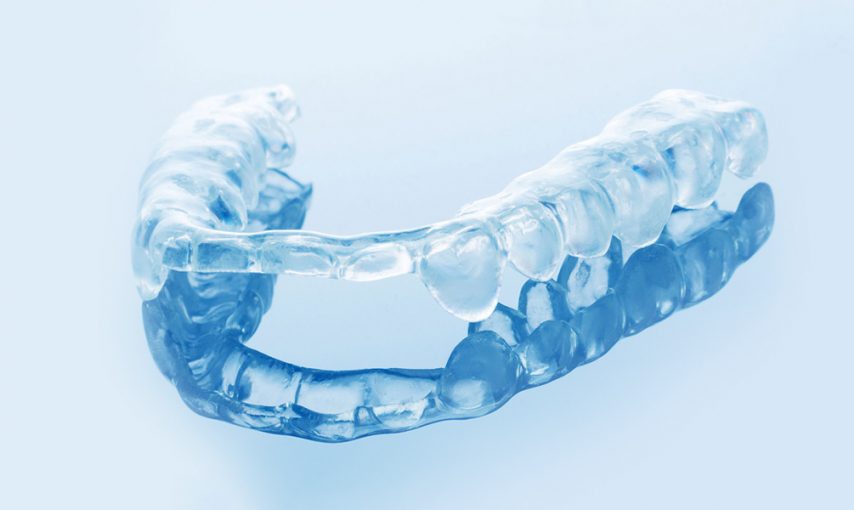
What Is the Difference Between a Mouthguard and a Night Guard?

You may think no differences exist between a mouthguard and a night guard because these appliances appear similar. However, while mouthguards and night guards protect your teeth, they offer protection differently.

Mouthguards help protect your teeth if involved in contact sporting activities where impacts on your mouth can damage your teeth. On the other hand, a night guard inhibits you from grinding and clenching your teeth if you are affected by bruxism.

Sporting activities and teeth grinding can damage your teeth, putting them at risk of fractures and other and other dental health problems. It helps if you discuss which appliance is best for your needs with the dentist 46321. In addition, you must ensure you acquire a device that works best for your specific situation.

Night Guards Are Beneficial against Teeth Grinding

You may only discover you grind your teeth once your bed partner awakens you, complaining about the loud noises you make when sleeping. The only indication you might have from teeth grinding is jaw soreness and headaches when you wake up in the morning. However, when you visit your dentist for a routine appointment, the professional will notice worn enamel during a dental cleaning and suggest receiving treatment for bruxism to prevent additional damage to your teeth.

Besides worn enamel, you may also have sensitive teeth, jaw pain, headaches after waking, sleep disruption, and tight or tired jaw muscles. If left untreated, bruxism permanently damages your teeth and gums, making it essential to inquire about getting a mouthguard for teeth grinding with the dentist in Munster, IN. In contrast, the dentist will suggest a night guard instead of a sports mouthguard to help stop grinding your teeth. The appliance is a protective barrier between your upper and lower teeth by separating them to prevent teeth grinding.

After the dentist assesses your condition and determines the severity of your situation, they will recommend getting a customized night guard fabricated especially for you by taking dental impressions from a dental laboratory to customize your night guard. You must revisit the dentist in about a week to collect your night guard, which the dentist will check to ensure you can sleep and breathe comfortably with the appliance in your mouth.

Mouthguards Are Safety Devices against Injuries

If you are involved in contact sporting activities, you will know that visits to an emergency dentist are just around the corner unless you have a protective device over your teeth to safeguard your mouth. If you discuss your sporting activities with your dentist, they will undoubtedly recommend wearing a sports mouthguard to protect your teeth from fractures or breakage.

The suggestion by the dentist will encourage you to walk into the market to purchase the first available mouthguard near you from a sports goods store because they are affordable. However, are you aware that over-the-counter mouthguards fitting over your upper teeth offer minimal protection and often do not fit correctly? In addition, they make it challenging for you to breathe or speak and are not durable as custom-made appliances. Therefore you must discuss a customized sports mouthguard with your dentist, which they provide by taking impressions of your teeth and mouth before delivering it in about a week. In addition, sports mouthguards customized by dentists adequately protect your teeth from damage from tackles when playing football or basketball. You can also use sports mouthguards for noncontact sports like ice skating or cycling, where the risks of injuries by falling are always present.

If your child has braces and needs mouthguards when playing sports, dentists can create an appliance to fit over the braces on the upper and lower teeth. Therefore you must ensure you seek dental appliances like night guards or mouthguards from a dentist without confusing them, which is other because they serve different purposes.

If mouthguards protect your teeth from impacts on your mouth when awake when involved in sporting activities, night guards prevent damage to your teeth from habits like teeth grinding that will make you need expensive cosmetic treatments from dentists to conceal damage from bruxism that leaves you with enamel erosion, sensitivity, and chips, and breaks in your teeth to impact your smile. Therefore if you want adequate protection for your teeth against a specific issue, you must discuss your needs with your dentist before purchasing any dental appliance over the counter because you think it may be a suitable device.

Whether you need a custom fit night guard for a sports mouthguard, it helps if you discuss your requirements with Family Dental Care — Munster because they provide these devices for adults and children. Consult with them today to discuss your needs and receive a customized dental appliance to protect your teeth from grinding or impacts on your mouth.

Previous Blog Post

What Is Why Main Goal of Pediatric Dentistry?

Pediatric dentistry is a dentistry division specializing in dental care and treatment for children from infancy until adolescence. The primary aim of pediatric dentistry is to help children maintain excellent oral health as they move into adulthood. Pediatric dentistry provides children with preventive dental care by identifying and treating oral conditions and helping children develop…

Read More

dentures treatment in Evergreen Park, IL
Jul 16, 2023

Things You Need to Learn about Dentures

Dentures have been a popular and affordable method of replacing missing teeth in cosmetic dentistry. In addition, dentures help restore your smile if you have lost your teeth due to aging, dental infections, or unfortunate incidents.

Whether you have partial dentures to close the gaps left by a few missing teeth or have invested in a complete set of dentures to help you eat, speak, and smile without hesitation, caring for them appropriately is essential. You must remain well-informed about your options to enhance your oral health and maximize the denture’s potential.

If you are a new denture wearer, here are some things you must learn about these dental prosthetics. We recommend you continue reading to learn how you must care for your dentures to ensure you don’t need replacements soon.

Denture Hygiene Is Essential

The dentures you acquired from the dentist in Evergreen Park, IL, are not your natural teeth. However, they need similar maintenance with proper cleaning to maintain their appearance and your oral health. Denture hygiene is incredibly essential, like your natural teeth. You must brush your dentures twice daily or after every meal thoroughly. As you have invested in dentures to cover the gaps between your teeth, you must also invest in a denture-cleaning toothbrush because a regular toothbrush will not help clean them and may even damage them. You must also realize dentures can stain easily if you frequently have staining foods and beverages with artificial colors. Therefore you must refrain from these staining foods.

Dentures Are Best Removed When Not in Use

Dentures are removable appliances allowing you to wear and remove them as required. Unfortunately, many people forget to remove dentures often. Leaving the dentures in your mouth for extended periods can result in lousy breath and receding gums. In addition, your gums need relaxation, making it essential to remove the dentures when not in use. You can gently remove the dentures near you to clean your gums and tongue using a soft-bristled toothbrush. When getting into bed, soak the dentures in water to keep them lubricated.

Dentures Can Cause Some Discomfort

When you start using dentures, you will likely experience some discomfort. In the initial stages, you will have an alien feeling in your mouth with mouth sores and uneasiness. In addition, you can expect to salivate more than usual when the dentures are in your mouth. However, the discomfort is temporary because you will notice an improvement when the dentures fit comfortably in the soft tissues of your mouth by wearing them every day.

Practice with Dentures Is Essential

You benefit from the privilege of having the ability to eat and speak with dentures. However, you will find the appliances uncomfortable initially until you get accustomed to them. You may think the dentures slip and shift when eating, making you practice different eating methods by cutting food into small pieces and chewing with the molars and premolars. Your speech may also get affected because you speak with a lisp, and your words may not sound as they usually do. It indicates your tongue needs to get accustomed to the appliance. As such, it helps to learn how to pronounce words by reading aloud until you are comfortable with your speech.

Dentures Need Maintenance and Replacements

You may think your dentures and affordable and allow you the freedom to repair and maintain them if required without help from Dentist 60805. However, you help the longevity of your dentures if you take them to the dentist whenever they need relining or adjustments. For example, changes in the shape of your jawbone can make dentures loose to need adjustments. Similarly, you can accidentally damage the dentures by dropping them when cleaning. Trying to repair the appliances at home without help from the dentist can permanently damage them, making you need a fresh set of dentures. Therefore whenever you feel the dentures are uncomfortable or damaged, visit the dentist immediately for help because they are the experts who can fix the appliance professionally.

You may notice denture repair kits advertised online or promoted in drugstores. However, do not try to repair the appliances because you will probably damage them to be without them for some days until you can get a replacement from the dentist.

If you are considering dentures to replace some or all your missing teeth Family Dental Care — Evergreen Park provides these prosthetics with advice on how to care for them appropriately to ensure they last their life span of approximately seven years. They also offer advice on caring for the dentures and your mouth to help you lead a happy life.

Previous Blog Post

What Is the Difference Between a Mouthguard and a Night Guard?

You may think no differences exist between a mouthguard and a night guard because these appliances appear similar. However, while mouthguards and night guards protect your teeth, they offer protection differently. Mouthguards help protect your teeth if involved in contact sporting activities where impacts on your mouth can damage your teeth. On the other hand,…

Read More

emergency dentistry in Crestwood, IL 60418
Jul 11, 2023

Emergency Dental Care and Its Importance

Do you have trauma to the mouth that causes bleeding or unbearable pain? Does it also make it tough for you to talk and eat? If yes, emergency dental care is the best solution. It deals with particular types of dental issues that require emergency support.

Remember, instant attention is not always possible, mainly if an unforeseen event occurs during a holiday over a vehicle. Also, a few dental emergencies can wait 24 or 48 hours to receive treatment. It will usually rely on the instructions from the emergency dentist and the type of emergency.

Also, know what oral problems require a trip to the emergency dentist. Emergency dentists serve patients in need of urgent dental care 24 hours a day.

How Does Our Dentist in Crestwood Helps in Urgent Dental Situations?

Below are the benefits of getting emergency dental services:

Slows Down the Progression of Oral Issues

Numerous moderate and mild dental issues progress further and turn into dental emergencies. For example, leaving an oral tissue untreated creates enough space for the issue to advance and progress in complexity and severity. Seeing an emergency dentist near you can prevent the problems from turning worse by getting instant intervention.

Restores the Function of Mouth

If the mouth pain accompanies swelling, heavy bleeding, or other similar issues, it limits or completely blocks the mouth’s functioning. The emergency dentist treats such issues to restore optimal oral functionality.

Fix Cracked Dental Crowns, Dentures, or Broken Teeth

If you struggle with damaged or broken dentures or crowns and broken teeth, reaching the emergency dental clinic on an immediate basis can help. The damage might be due to biting down on hard foods or oral damaging behavior.

Address Sports Injuries or Other Accidents

Approximately 40% of all oral injuries are associated with sports. Falls, impact injuries from sports, and vehicle accidents cause damage to the jaw and mouth. Remember, the trauma may have caused damage that might be tough to notice with the naked eye.

Also, time is crucial when dealing with any dental trauma. Seeking help from the emergency dentist at Family Dental Care – Crestwood can help you manage such dental injuries easily.

Rescues of Knocked-Out Tooth

Avulsed or knocked-out teeth from an impact accident also create the need to seek assistance from the emergency dentist. The expert puts the knocked-out tooth in its exact position and restores its functionality.

Minimizes the Further Risk of Infection

When an infection begins to spread, it threatens your whole mouth. When not treated timely, the harmful bacteria might move to the other areas of the mouth. Dentists in Crestwood are experts in emergency dentistry. They Identify the main cause of tooth infection to prevent the risk later on. It helps you return to the road to enjoy all your favorite foods again and feel better.

Avoid Dealing with the Hassle of Unnecessary Pain

The most common symptom of a dental emergency is pain. An emergency dentist gives you the required medicine and treatment to combat your pain quickly. Although it’s hard to make decisions in a dental emergency, finding a dentist that can offer immediate help is essential.

Why Timely Emergency Dental Visits Are Crucial?

Dental emergencies cause pain and disturbances to carry out your daily routine. Ignoring emergency dental care can result in permanent tooth damage or tooth loss. It ultimately allows you to get more costly and extensive dental treatment later.

Emergency dentists provide a pleasant experience while you undergo the required treatment. Regardless of the emergency you have, taking proactive steps before arriving at the clinic is essential. Receiving assistance from the dentist 60418 within one hour of an injury can rescue your tooth.

Emergency dental services minimize extreme pain, avoid injuries, and prevent additional damage and other discomfort associated with your oral cavity. For emergency dental services, calling the dental office first is a good idea. Even if you notice the shutdown of the office, go ahead and call for an emergency number. You can also try other options. If none of the options function, visit the nearby trauma and accident care facility for treatment.

Furthermore, not all general dentists offer emergency dental care. Remember, the sooner you take suitable action, the better chances you have to keep up with your dental health.

Previous Blog Post

dentures treatment in Evergreen Park, IL

Things You Need to Learn about Dentures

Dentures have been a popular and affordable method of replacing missing teeth in cosmetic dentistry. In addition, dentures help restore your smile if you have lost your teeth due to aging, dental infections, or unfortunate incidents. Whether you have partial dentures to close the gaps left by a few missing teeth or have invested in…

Read More