Author: Familydentalcare_aDMeeN

Is Pediatric Dentistry Challenging
Aug 03, 2021

Is Pediatric Dentistry Challenging?

Dentistry as a subject is challenging technically and strategically. The challenges increase multiple times when a pediatric dentist is required to treat children who may or may not be willing or able to accept treatment. Therefore, pediatric dentists acquire additional training in a two to three residency program explicitly dedicated to pediatric dentistry. They learn special skills and techniques to treat children from the training program, providing comprehensive and in-depth knowledge about dental problems that commonly affect children.


To overcome the challenges the professionals confront when providing pediatric dental care, they use special techniques and tricks when getting the child to cooperate with them. Besides investing in kid-friendly dental practice, equipment suited for children, and even providing children with headphones to listen to music or shows when receiving treatment, pediatric dentists work ingeniously to ensure children feel at home at the dental practice.


What Are the Tricks Pediatric Dentists Use When Treating Children?


Encourage Parents to Bring Children to Pediatric Dentists Early


All dentists are aware prevention is the key, and it applies specifically to children. If the child’s first visit to the dentist is positive, they will know what to expect during their next visit. However, if the child needs to undergo extensive treatment and experiences pain, it results in the child associating the dentist with discomfort. Therefore pediatric dentists recommend parents bring their child for their first visit around their first birthday.


Distracting Children Is a Quality Pediatric Dentists Master


Pediatric dentists, when specializing in the field, also learn about cartoons, sports, pop stars, comics, and Disney movies. The professionals discuss these subjects with the child to encourage a conversation and make them more comfortable. In addition, children’s pediatric dentistry aims to distract the child from the dental procedure, keeping them engrossed in subjects they love.


Rewarding Children


Pediatric dentists are experts in reinforcing positive behavior with children and their parents. To cap off a productive trip to the dentist’s office, they do not hesitate to reward the child with gifts like stickers to make the child believe they did an excellent job and should behave similarly during their next visit. Rewarding children in dental offices, which also distracts them, becomes a pleasant experience for the child. As a result, many children don’t want to leave the dental office and even inquire with parents about their next scheduled visit.


Pediatric dentists are willing to perform all kinds of procedures and are even open to taking on some things they may not have enjoyed in dental school. However, when working with the general population, the professionals consider the child’s needs without considering their likes or dislikes.


Why Should Parents Choose a Pediatric Dentist?


All families are different, and choosing a dentist eventually depends on the family’s unique requirements and preferences. A one size fits all solution does not exist for your family’s dental and overall health.


Thankfully pediatric dentists have plenty to offer to kids. Having a specialist diagnosing and treating your children’s teeth makes a significant difference to their future. When parents choose a pediatric dentist for their child, they can rest assured the child’s dental care is in the hands of a specialist. Pediatric dentists not only have the skills and tools to treat children but genuinely love working with them. A compassionate and caring pediatric dentist will make an effort as required to build a positive relationship with children. Without a foundation of trust, children can potentially develop dental anxiety preventing them from seeking dental help as adults. Establishing a dental home early with a consistent and reliable pediatric dentist is essential to maintain healthy teeth from infancy until early adulthood.


Do Pediatric Dentists Also Accept Adults As Patients?


Pediatric dentists are qualified to treat adults, but they specialize in treating children and often accept patients under 18. They do not refuse to treat adults but are aware of their strengths and knowledge about pediatric dentistry. These specialists are not experienced in general dentistry, although they are fully knowledgeable about the subject. Unlike general dentists, they do not offer services popular among adults like denture repair, cosmetic dentistry, and Invisalign clear aligners for straightening teeth. However, if they notice defects in children’s teeth, they undoubtedly refer the patient to specialists like orthodontists for the treatment they need.


Pediatric dentistry is challenging in that the professional must be willing to treat every child differently using the techniques and tricks available with them when providing any treatments needed by the child.


Previous Blog Post

Are Professional Teeth Cleanings Painful

Are Professional Teeth Cleanings Painful?

Many people dread dental exams and cleanings with their dentist for unknown reasons. You may express fears that a dental cleaning hurts and is better avoided instead of going through it. Honestly, regular professional teeth cleanings aren’t painful unless you have complicated conditions in your mouth.   Issues like tooth decay, inflamed gums, and various…

Read More

All Information You Want about Bone Grafting
Aug 03, 2021

All Information You Want about Bone Grafting

Have you heard about dental implants used to replace missing teeth? You may think getting dental implants is a straightforward procedure requiring nothing more than a visit to the dentist’s office near you. However, how would you react if the dentist mentioned you need bone grafting before getting dental implants? You would probably think bone grafting is scary and perhaps reconsider your decision of getting replacement teeth to close gaps in your smile.


The bone grafting procedure is nothing to be scared of because it is a standard dental routine that is painless and predictable. However, if you have decided to replace missing teeth with dental implants, it helps if you understand you may have undergone bone resorption after losing your natural teeth. The dental implants you plan to have receive the stability they need only when you have sufficient bone in your jaw. If not, the chances are high that you will encounter implant failure and begin your search again for other tooth replacement solutions.


When Does Bone Grafting Become Necessary?


Bone grafting becomes necessary if you do not have sufficient quality of healthy natural bones in your mouth to support the implants. The deficient natural bone structure in your mouth could result from developmental defects, gum disease, trauma to the face or injuries, and vacant space after natural teeth removal.


What Precisely Is Bone Grafting?


A bone graft dental is a surgical technique to repair or rebuild bones by transplantation of bone tissue. Dentists recreate lost bone and supporting tissues by transplanting healthy bone tissue in your mouth.


Tooth loss, besides impacting your smile, eating, and speaking also causes bone loss. The situation is standard for anyone losing a tooth or teeth, making it essential for them to need a bone graft before dental implant placement. Whether you choose a tooth a day before your consultation or much earlier, you must undergo the bone grafting procedure. The process is required because your tooth socket may have infections or the missing tooth is not of the appropriate size to support an immediate replacement.


Most people don’t consider getting dental implants the day they lose their teeth. Some think the financial implications of getting a dental implant, and sometimes the reasons are logistical. However, bone loss begins occurring every day after a tooth is lost.


What’s the Connection between Tooth Loss and Bone Loss?


Your alveolar bone is tasked with supporting and holding your teeth and is the one typically affected when you lose teeth. The alveolar bone begins to resorb for lack of work. Additionally, your jawbone builds and strengthens every time you chew food. Therefore, the loss of alveolar bone can quickly result in jawbone loss.


You must understand dental implants rely on osseointegration to function. It means the implant must integrate with your jawbone to create a stable foundation for the dental crown. If you have an insufficient bone in your jaw, dental implant placement is practically impossible.


How Do Bone Grafts Function?


There are many types of bone grafts, and the type dentists use to repair your jawbone depends on the extent of the damage affecting you besides the location of the lost tooth.


A socket graft is the most common bone graft performed by dentists with a primary focus to prevent atrophy of the alveolar bone before it occurs. Dentists place bone from a human donor directly into the socket. The procedure also prevents the socket from collapsing. When you undergo a socket graft, you become ready for your implant in approximately four to six months. In addition, a socket graft also minimizes the post-operative pain after implant surgery.


What Happens After Getting a Bone Graft?


You receive antibiotics to prevent infections after the dentist completes the bone graft. You also receive painkillers to manage any discomfort you encounter. You must wait until the bone graft has fused with your natural bone before you can proceed with dental implant surgery. Bone grafts require time to heal, although you may recover from the procedure in as little as three months or take an entire year. It would help if you visited your dentist for regular checkups until the professional determines you are ready for your implants.


Are Bone Grafts Essential for Everyone Getting Dental Implants?


The optimal way of understanding whether you need a bone graft is to schedule a consultation with your dentist. The dental professional evaluate your mouth and recommends a bone graft only if required. If you have sufficient healthy bone in your jaw, you can begin planning for the dental implants right away.

Previous Blog Post

Is Pediatric Dentistry Challenging

Is Pediatric Dentistry Challenging?

Dentistry as a subject is challenging technically and strategically. The challenges increase multiple times when a pediatric dentist is required to treat children who may or may not be willing or able to accept treatment. Therefore, pediatric dentists acquire additional training in a two to three residency program explicitly dedicated to pediatric dentistry. They learn…

Read More

Tricks to Avoid Needing Emergency Dental Care
Aug 03, 2021

Tricks to Avoid Needing Emergency Dental Care

Everyone thinks their mouths are healthy until something turns awry, making them search for emergency dental services near them. If you want to avoid emergency dental care in the evenings or on holidays, you must ensure you look after your dental health exceptionally well. Dental emergencies are upsetting besides being frightening, primarily when a dental problem affects a young member of your family.


An excellent method to avoid upsetting situations is to become better informed on how some dental emergencies are comfortably prevented. If you are aware of the symptoms to look for and when to seek emergency dental care, you take the fear out of dental emergencies and find it easier to cope with the problem.


How to Avoid Some Dental Emergencies?


Maintain Excellent Dental Hygiene at Home


Irrespective of your busy schedule, take time off to brush your teeth at least twice a day, making it the first task in the morning and the last before you get into bed at night. In addition, make it a point to brush your teeth for two minutes to allow adequate time to ensure all tooth surfaces are cleaned thoroughly. Electric toothbrushes are excellent because they have built-in timers. However, if you use a manual toothbrush, use a manual timer on your smartphone to guide you.


Persistent Dental Pain or Changes to Your Gums and Mouth Tissues?


A nagging toothache is often a sign of a cavity or leaking filling. Toothaches are signals of something wrong in your mouth and often tempt you to ignore them when the pain disappears. However, if you forget a toothache, you may encourage a severe infection in your mouth that may require expensive and intensive treatment from the emergency dentist near you. In such cases, get to the nearby emergency dentist as soon as you can to have the professional save your tooth.


Do not ignore changes programs and other soft tissues on the insides of your cheeks and lips. Any injuries, mouth sores, or ulcers that don’t heal properly require professional investigation.


Wear a Protective Mouthguard If Involved in Contact Sports


If you are involved in any contact sporting activity, do not forget to wear a mouthguard to protect your teeth and soft tissues. Get your children to wear these appliances because dental injuries cause chips and cracks or even leave you with a knocked-out tooth. The cost of therapeutic treatments can add up to thousands of dollars over your lifetime. Instead, you can invest in a custom-made mouthguard to provide ultimate protection to your teeth to reduce the risks of dental injuries.


How Soon Do You Need Dental Care for a Chipped Tooth?


You can chip a tooth and not experience any pain. You may experience a chipped tooth when biting down on hard foods or trying to open packages with your teeth. A painless chipped tooth does not require emergency dental care but undoubtedly needs attention from a dental professional. You can schedule an appointment with your regular dentist seeking urgent tooth care to determine whether the chip is minor or needs treatment with a filling. Do not ever ignore minor chips because it increases the chances of needing extensive treatments or even tooth extractions.


Ensure You Have a Family Dentist for Your Entire Family


Dental emergencies are fair to everyone and do not discriminate between children, adults, and seniors. Have an excellent family dentist attending to all your family’s dental needs. A family dentist understands the needs of your entire family and performs routine exams and cleanings to identify any dental issues. The professional also creates a personalized treatment plan for every family member displaying signs of any dental problems. Following the treatment plan developed by the dentist in most cases helps avoid potential dental emergencies.


Dental Visits Are Fearful but Don’t Have To Be


Suppose you think dental visits are fearsome and are better avoided even if you encounter any dental emergency. In that case, you help yourself by realizing you can discuss your fears with your dentist to find a comfortable path to seek dental treatments whenever required. Do not remain ashamed of your dental anxiety or phobia but discuss them frankly with your dentist. The discussion helps control your dental health better because you don’t hesitate to visit any dentist when you confront any dental problem. Remaining proactive with your dental care is the optimal method to avoid needing emergency dental care.

Previous Blog Post

All Information You Want about Bone Grafting

All Information You Want about Bone Grafting

Have you heard about dental implants used to replace missing teeth? You may think getting dental implants is a straightforward procedure requiring nothing more than a visit to the dentist’s office near you. However, how would you react if the dentist mentioned you need bone grafting before getting dental implants? You would probably think bone…

Read More

Dental Sealants
Jul 13, 2021

Dental Sealants

Tooth decay occurs as a result of dental plaque that forms when the bacteria in the mouth mixes with saliva and residue of starchy foods. Tooth decay leads to dental cavities which can cause severe pain and makes tooth extraction compulsory. Regular brushing and flossing can get rid of plaque and food stuck in the teeth, but they can not always get into the nooks and crannies of the teeth. Children also are not capable of taking care of their teeth to the fullest all by themselves. In a bid to solve this problem and prevent tooth decay, dental cavities, and tooth loss, dental sealants were invented.

A dental sealant is a thin, plastic coating that is usually placed on the chewing surface of the permanent back teeth (premolars and molars) to protect them from decay and dental cavity. The sealant bonds into the tooth and forms a protective shield over the enamel of the tooth. Dental sealants are safe and effective and they protect the tooth from 50 percent of cavities.

Children and teenagers get dental sealants more because of their increased chances of having tooth decay and dental cavities. Adults who do not have decay or fillings in their premolars and molars can also get dental sealants if they wish to. Children should get dental sealants immediately after their milk teeth are replaced with permanent teeth. This helps to protect their teeth through the cavity-prone years.

Uses Of Dental Sealants

  • Dental sealants are used to cover the teeth and prevent them from elements of tooth decay.
  • Dental sealants fill up small grooves and pits of the teeth that are hard to clean. It makes them smooth and easy-to-clean surfaces.
  • Dental sealants help to restrict food from getting stuck in between the teeth.
  • Dental sealants help to stop the formation of plaque to an extent.
  • Dental sealants help to cut costs and prevent you from frequenting the dental clinic for dental treatment.

Dental Sealants Application Procedure

Dental sealants can be applied by dentists that are in charge of dentistry for families, general dentists, and other qualified dental professionals. The process of coating the teeth with dental sealants is simple, painless, and fast. The steps to applying dental sealants on the teeth are as follows:

  1. The nooks and crannies of the teeth to be sealed are to be thoroughly cleaned.
  2. The teeth are then dried and wrapped with an absorbent material to keep them dry.
  3. An acid solution is applied to the chewing surfaces of the teeth. This roughens them up and helps the sealant bond to them.
  4. The acid solution is rinsed off and the teeth are dried.
  5. The dental sealants are then applied directly to the tooth enamel. It bonds directly to the tooth and then hardens. Special dental devices can be used to aid the hardening of the dental sealant on the tooth.

Dental sealants can protect the teeth from decay and cavities for a long time. They can last for as long as ten years but they need to be constantly inspected for chipping, wearing, and tearing when you go for dental checkups. They can be replaced over time.

Benefits Of Dental Sealants

The benefits of dental sealants are as follows:

  • Sealants are simple and easy to apply and they bond quickly making the process fast.
  • Sealants produce immediate results as they start protecting the teeth immediately after application.
  • Sealants protect the nooks and crannies of the teeth from food particles.
  • Sealants are more affordable and effective in the prevention of tooth decay and dental cavities.
  • Sealants take the natural color of the teeth and are thereby inconspicuous. They protect the aesthetic value of your teeth.
  • Sealants are durable and can last for long under the force of normal chewing. It can take several years before a reapplication is needed.
  • Dental sealants can be used by both children and adults in the fight against tooth decay.

Previous Blog Post

Tricks to Avoid Needing Emergency Dental Care

Tricks to Avoid Needing Emergency Dental Care

Everyone thinks their mouths are healthy until something turns awry, making them search for emergency dental services near them. If you want to avoid emergency dental care in the evenings or on holidays, you must ensure you look after your dental health exceptionally well. Dental emergencies are upsetting besides being frightening, primarily when a dental…

Read More

Paying Attention To Your Childs Oral Health
Jul 06, 2021

Paying Attention To Your Child’s Oral Health.

Choosing a dentist for the family isn’t an easy decision. Some parents opt for a family dentist, one who can see all the members of your family at once. A family dentist makes sense for some families, but there are several situations where a pediatric dentist would be a much better choice.

Pediatric dentistry refers to the branch of dentistry that deals with taking care of the oral health of children, from their birth through adolescence, including those with special needs.

This article will help you learn more about the differences between pediatric dentists and general dentists, and the services that can be obtained through children’s pediatric dentistry.

What is a Pediatric Dentist?

Pediatric dentists are dedicated to the oral health of children from infancy through the teen years. They have the experience and qualifications to care for a child’s teeth, gums, and mouth throughout the various stages of childhood.

Why See a Pediatric Dentist Instead Of My General Dentist?

Dentists, like doctors, can specialize in different fields. Some focus on root canals, others stick solely to care of the gums, and a select few choose to work with children. Pediatric dentists concentrate exclusively on the care of teeth in babies, kids, and teens. Not every licensed dentist has the patience to work with kids, and many kids certainly don’t have the patience to work with the average dentist.

Pediatric dentists intentionally put in the work to become experts in children’s needs. A pediatric dentist is equal parts educator and practitioner, so they have extra training beyond dental school to solidify their expertise in the emotional and developmental needs of children.

Who Should See A Pediatric Dentist?

All children and adolescents, including those with physical or mental disabilities, should receive regular dental care throughout childhood. Regular pediatric dental care is the best way to prevent cavities, gum disease, and other oral health conditions. Regular pediatric dental care generally includes a routine dental cleaning and exam every six months, or more often as recommended by your pediatric dentist.

Duties Of A Pediatric Dentist.

Dentistry for children provides children dental care which comes in the form of routine check-ups and treatments they need to maintain good oral health. Some of these treatments include:

  • Routine Check-ups
  • X-Rays
  • Sealants filling
  • Fluoride Treatments
  • Fillings
  • Brace applications.

You should ensure that you get to a pediatric dentist near you in case you have questions or queries as regard’s your children’s dental health.

When Should I Take My Child To See A Pediatric Dentist?

In addition to regular dental exams and care, consider seeking care from an experienced pediatric dentist if your child has any of the following symptoms or conditions:

  • Having a bad breath or dry mouth
  • Bleeding gums
  • Noticeable changes in their teeth, gums, lips, or tongue
  • Having crooked or discolored teeth
  • Delayed teeth eruption in babies or tooth loss
  • Sensitivity to hot and cold liquids or pain with chewing
  • Tooth, mouth, or jaw pain or swelling of the oral tissues such as the gums

In older children and adolescents, if behaviors that increase their risk of dental problems including playing contact sports, frequent snacking between meals (a risk factor for cavities), smoking, excessive alcohol use, and high-risk oral sex practices are observed.

Why Early Childhood Dental Visits Are Important.

The sooner children begin getting regular dental checkups, the healthier their mouths will stay throughout their lives. Early checkups help prevent cavities and tooth decay, which can lead to pain, trouble concentrating, and other medical issues. Youngsters with healthy teeth chew food easily, learn to speak clearly, and smile with confidence.

Also, in preventing dental decay, Pediatric dentists educate families on their diet as well. Children tend to have a diet that’s high in sugar, leading to problems with their teeth. With a diet balanced with fruits and vegetables, with less added sugars, they have less of a chance of developing tooth decay. Changing the diet can be beneficial for the entire family.

Previous Blog Post

Dental Sealants

Dental Sealants

Tooth decay occurs as a result of dental plaque that forms when the bacteria in the mouth mixes with saliva and residue of starchy foods. Tooth decay leads to dental cavities which can cause severe pain and makes tooth extraction compulsory. Regular brushing and flossing can get rid of plaque and food stuck in the…

Read More

Common Types of Dental Fillings in Dentistry
Jul 01, 2021

Common Types of Dental Fillings in Dentistry

Tooth fillings are among the most common types of oral materials used in dentistry for repairing and restoring teeth. Over the years, many patients have benefited from tooth fillings, allowing them to keep their natural teeth for a much longer time in their lives.

One of the beauties of using tooth fillings in dentistry is their versatility. Tooth fillings come in different types, which provides various alternatives for patients to choose from based on their personal preferences.

What Are Dental Fillings?

They are oral materials used on teeth to repair and restore them. Fillings are often the go-to dental materials for treating damaged teeth. For thousands of patients that get tooth fillings, the underlying dental problem is dental decay. When dental cavities begin to form on teeth, it does not take long before the insides of the tooth are damaged. The role of dental fillings, therefore, is to create a barrier on teeth by sealing the cavity and preventing any entry of bacteria to the insides of the tooth.

Dental fillings come in different sizes. Ideally, the larger the cavity, the larger the tooth filling used to treat it. A small dental filling is ultimately more manageable than a large one. This is why you must consider getting your treatment early before the cavity in your tooth widens.

What Are the Different Types of Dental Fillings?

The type of dental filling material used to manufacture a tooth filling is what distinguishes them. Dental fillings common in dentistry are:

  • Amalgam tooth filling – it is the most common type, used on thousands of patients’ teeth. They are commonly known as silver fillings since silver is the primary component in the material used to make them. However, amalgams feature a metal alloy, which means there are other metals aside from silver, including mercury, copper, and zinc. These filings are sturdy and very popular for treating back teeth, with a durability of up to 10 years or longer.
  • Gold fillings – they are a very expensive alternative to silver fillings. Instead of silver, these tooth fillings feature gold as the primary material. This is the reason why gold fillings are considered luxurious tooth applications. They are praised for their sturdiness, as well as their longevity. However, they can be pretty expensive, so that not all patients can afford to get gold fillings.
  • Composite tooth fillings – they feature composite resin material. The resin is tooth-colored, which allows your dentist to pick a shade of tooth filling that closest matches that of your natural teeth for an aesthetically appealing result. These fillings are not as sturdy as silver or gold fillings. It is the cosmetic advantage that makes composite tooth fillings popular in dentistry. The nature of the material also makes them suitable for repairing and restoring the front teeth. The composite fillings are, however, pretty costly, compared to silver fillings.
  • Ceramic tooth fillings – they feature porcelain as the primary material. Porcelain is a very popular material in the manufacture of different oral appliances. This material is also tooth-colored, presenting cosmetic advantages to patients. The porcelain also makes for sturdier tooth fillings than composite fillings, which can be used on either the front or back teeth. Still, ceramic tooth fillings are more expensive than silver fillings.
  • Glass ionomers fillings – they are also known as acrylic fillings. They are the least durable of all types of fillings, lasting for about 5 years. They feature a glass-like material and are perfect for use on children’s teeth. A unique advantage with these types of dental fillings is that they release fluoride on teeth. Fluoride is a natural mineral that helps strengthen teeth and protect them from dental cavities. This advantage proves very paramount for preventive dental care in pediatric dentistry.

Choosing the Right Dental Fillings

There is no particular dental filling that is best suited for all patients. Usually, it depends on your preferences. Some of the factors to influence your decision are:

  1. Location of the filling – you should opt for a cosmetically pleasing filling for your front teeth more than is the case for back teeth.
  2. The sturdiness of the material – for back teeth treatment, you need a strong filling that can withstand frequent chewing.
  3. Durability – the longer a filling can serve you with few or no complications, the better.
  4. Budget – some fillings are more expensive than others.

Previous Blog Post

Paying Attention To Your Childs Oral Health

Paying Attention To Your Child’s Oral Health.

Choosing a dentist for the family isn’t an easy decision. Some parents opt for a family dentist, one who can see all the members of your family at once. A family dentist makes sense for some families, but there are several situations where a pediatric dentist would be a much better choice. Pediatric dentistry refers…

Read More

What Tooth Extractions Entail
Jul 01, 2021

What Tooth Extractions Entail

Sometimes, some parts of our body develop a fault and they need to be removed to prevent further damage to the body. Also, a tooth or two sometimes needs to be extracted to save the rest of our teeth. Our teeth play an important role in our day-to-day lives. They are responsible for cutting, tearing, and chewing food, pronunciation of words, and shaping our faces. Therefore, a defect in them might be a major setback in the smooth running of our lives. However, sometimes we might have a defect in a tooth that would call for an extraction.

Tooth extraction is the removal of a tooth with either local, general, intravenous anesthesia, by a dentist or an oral surgeon.

Tooth extraction is performed for various reasons. It is also used to prevent other teeth in the mouth from being infected or affected. Reasons for tooth extraction include:

  • Tooth decay and infection. Tooth decay is a rot in the teeth caused by plaques. It can cause severe pain and affect other teeth if not taken care of quickly.
  • Overcrowding. Overcrowded teeth destroy beauty of the teeth. They might also affect your oral health adversely. Therefore, tooth extraction is recommended.
  • Failed dental treatment. A failed dental treatment can lead to complications that require tooth extraction.
  • Impacted teeth. Impacted teeth are teeth that lack enough space to erupt or develop normally. They might cause pain, infection, and damage to other teeth, hence the need for extraction.
  • Dental caries, periodontal diseases, etc.

We have four types of teeth namely: Canine, Incisor, Molar, and Premolar. The last set of teeth to grow in an adult’s mouth are molars called wisdom teeth.

Wisdom tooth extraction is very common because wisdom teeth tend to cause a lot of problems in the mouth. Wisdom teeth are mostly extracted because they are impacted. Impacted wisdom tooth removal helps to eliminate all problems that come with wisdom tooth growth. Wisdom teeth might need extraction if they cause pain, infection, or damage to other teeth.

Wisdom teeth begin to erupt between the age of eighteen to twenty-five. Most people experience pain and discomfort when developing wisdom teeth and this is why they are extracted. A wisdom tooth extraction can be done by a wisdom tooth dentist which is any dental professional that performs teeth extraction.

There are two types of extraction named Simple extraction and surgical extraction.

The simple extraction is a simple process of removal of a visibly affected tooth. This process can be carried out by any general dentist. The dentist numbs your tooth and gum tissues surrounding it with anesthesia and removes it with dental forceps.

The surgical extraction is carried out for a tooth that may have broken off at your gum line or has not grown into your mouth. It is mostly performed by oral surgeons, but can also be performed by a general dentist. During the procedure, anesthetics would be administered. The surgeon or dentist then makes a small incision into your gum and removes the underlying tooth.

What To Do Before A Tooth Extraction Surgery.

A tooth extraction surgery is carried out to protect your oral health, therefore, it is important to follow some procedures for safety purposes.

Your dentist should have a record of your medical conditions and medications. This would help in avoiding conflicting medications and making the right choice of anesthesia.

Before the surgery, do not smoke or eat to avoid nausea. Also, take safety precautions and treat your tooth extraction survey as important as any other surgery.

After a successful tooth extraction surgery, there are things to be done and precautions to be taken. The recovery time after a tooth extraction process is only a few days. During this time, you are expected to take any medications given to you by your dentist, avoid smoking and rest a lot. Brush and floss as usual but avoid the extraction point.

Finally, contact your dentist immediately at the sight of any abnormality.

Previous Blog Post

Common Types of Dental Fillings in Dentistry

Common Types of Dental Fillings in Dentistry

Tooth fillings are among the most common types of oral materials used in dentistry for repairing and restoring teeth. Over the years, many patients have benefited from tooth fillings, allowing them to keep their natural teeth for a much longer time in their lives. One of the beauties of using tooth fillings in dentistry is…

Read More

All You Need To Know About Dental Implants
Jul 01, 2021

All You Need To Know About Dental Implants

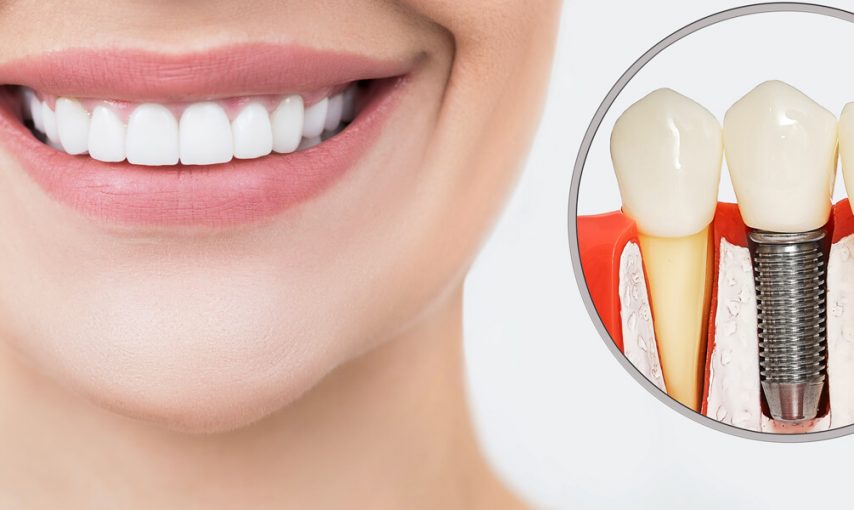
Loss of teeth is a natural process that occurs in children when the permanent teeth are due. However, when loss of permanent teeth occurs, it is caused by a lot of external factors and is mostly not natural. Either way, loss of teeth is not permanent and it doesn’t hinder you from possessing that perfect set of teeth you desire. Loss of milk teeth is subsequently replaced by permanent teeth and this occurs naturally. Loss of permanent teeth however does not have another set of teeth to replace it. Fortunately, there are artificial ways of replacing your lost tooth without losing the look or feel of your natural teeth. One of the many teeth replacement options available for you is dental implants.

Dental implants are specially designed toothlike objects used for the artificial replacement of one or more missing teeth. Dental implants were designed by a Swedish orthopedic surgeon named Per-Ingvar Brånemark in the year 1952. Dental implants are one of the most popular teeth replacement options today. Dental implants are made up of a titanium root fixed under the gum line and are inserted into the jawbone. They fit the mouth and are not flagged as foreign objects by the body because of the titanium of which they are made. A dental implant is a permanent base for a replacement tooth.

Why Do People Need Dental Implants?

The main function of dental implants is to replace natural teeth lost to teeth diseases and restore their functions. It is also used for the restoration of aesthetics for people who take their oral beauty seriously.

  • Dental implants also help to restore the structure of your jawbone that might have been lost as a result of lost teeth.
  • Advantages Of Dental Implants.
  • There are other teeth replacement options but dental implants possess something that others do not which makes your dentist recommend them. The advantages of dental implants are:
  • Durability. Dental implants are very strong and will last for years if properly taken care of.

Comfort. Dental implants are very comfortable. They save you the stress of having to fit them every time and prevent them from falling out.

Functionality. Dental implants help to restore the functions of your natural teeth. They improve your appearance and oral health.

Natural look and feel. Dental implants are a popular choice today because they give you the feeling of your natural teeth. They look and feel just like your natural teeth.

Risks of dental implants

The numerous benefits and advantages of dental implants notwithstanding, some risks come with it, and it is only fair that you know it.

Getting a dental implant is a surgical procedure and like every surgery, dental implants come with their risks and potential complications. There is a risk of infections, damage to the surrounding areas, fracture, and poor positioning when getting a dental implant.

The risks involved are why you are only to get implants on recommendation and from a certified dentist office near you. Also, the success rate of dental implants is about 98 percent, so you have nothing to worry about.

Dental Implants Procedure

Firstly, a dental implant should only be gotten from a certified dental professional for your safety.

An impression of your teeth is made to create a new tooth/teeth for you. This replacement tooth Is called a crown. Then, your dental implant made of titanium is fitted into the bone socket of your missing tooth. Your jawbone takes six to twelve weeks to heal and during this time, it grows around your implant. This secures the fitting of your implant in the jaw. Once this is done, an abutment (a small connector) is attached to the post for the secure fitting of your new tooth.

Care For Dental Implants

After healing, there are some measures you have to take to maintain your dental implants.

Your implants have a feel and look of your natural teeth and should be treated as such. You are to brush, floss, rinse with an antibacterial mouthwash and go for regular dental checkups as you would do with your natural teeth.

Previous Blog Post

What Tooth Extractions Entail

What Tooth Extractions Entail

Sometimes, some parts of our body develop a fault and they need to be removed to prevent further damage to the body. Also, a tooth or two sometimes needs to be extracted to save the rest of our teeth. Our teeth play an important role in our day-to-day lives. They are responsible for cutting, tearing,…

Read More