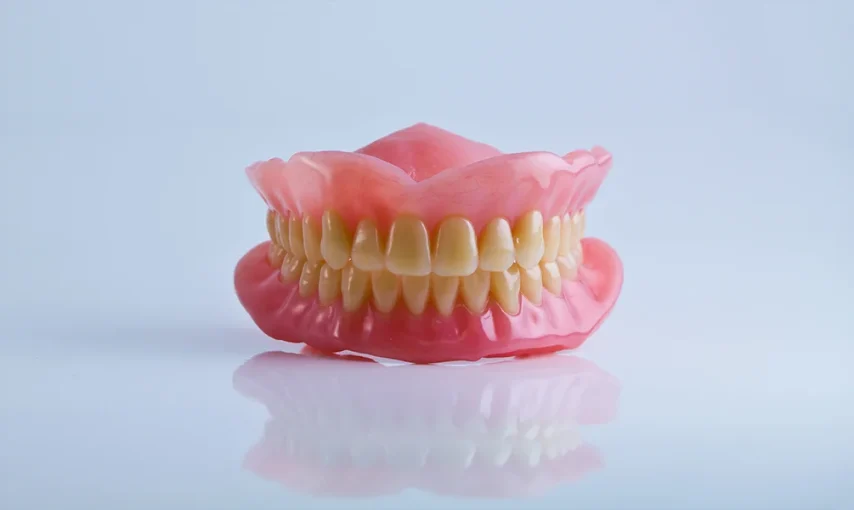
For many individuals wearing dentures in Chicago, comfort and stability are essential for speaking, chewing, and daily confidence. However, it is common for dentures to feel loose months or years after they are first fitted. This change does not necessarily indicate a problem with the denture itself. In most cases, it reflects normal anatomical remodeling in the mouth and jaw over time.
Understanding why dentures shift helps patients recognize when professional adjustments or relining may be needed to maintain proper fit and function.
Natural Bone Changes After Tooth Loss
One of the primary reasons dentures become loose is gradual bone resorption. After teeth are removed, the jawbone no longer receives stimulation from tooth roots. Without that stimulation, bone tissue slowly shrinks.
This gradual bone shrinkage alters the contour of the gums and the ridge that supports the denture base. Even well-made complete dentures can lose their snug fit as the foundation beneath them remodels.
Bone resorption occurs most rapidly during the first year after tooth extraction and then continues gradually thereafter. Because dentures rest directly on gum tissue, even subtle structural shifts can affect stability.
Gum Tissue Shrinkage and Remodeling
Beyond bone changes, soft tissue in the mouth can also remodel. As gums heal and adapt after extractions, their contour may shift slightly. Weight loss, age-related variations, and overall health can also influence soft tissue thickness.
When gum tissue thins or reshapes, dentures may no longer sit evenly against the surface. This can create small gaps that allow movement during speech or chewing.
Patients often describe a sensation of slipping, clicking, or food getting trapped beneath the denture base when tissue adaptation occurs.
Wear and Tear on Denture Materials
Dentures are durable, but they are not permanent. Over time, normal use can lead to material wear. The acrylic base may thin slightly, and artificial teeth may flatten from chewing forces.
As denture teeth wear down, the way the upper and lower arches meet can shift. This alteration in bite alignment may contribute to instability or discomfort.
Periodic evaluations by a dentist in Chicago allow professionals to assess wear patterns and determine whether adjustments, relining, or replacement are necessary.
Changes in Jaw Alignment
Jaw relationships can shift gradually as bone levels remodel. When the upper and lower dentures no longer align, chewing forces may become uneven.
Uneven pressure can cause rocking or tipping during meals. In a few cases, this instability can lead to sore spots or irritation.
Proper alignment is especially important for individuals wearing both upper and lower prosthetics. Balanced occlusion helps distribute forces evenly across the denture base.
Adhesive Dependency and Decreased Retention
Some individuals begin using denture adhesive when minor looseness develops. While adhesives can improve short-term retention, relying on them regularly may mask the need for professional adjustment.
If dentures require increasing amounts of adhesive to remain stable, it may indicate that relining or rebasing is necessary.
For those exploring partial & full dentures near me, understanding long-term maintenance needs is just as important as selecting the appropriate prosthetic.
The Role of Relining and Rebasing
Relining includes adding new material to the inner surface of the denture to improve contact with the gums. This process helps restore a secure fit without replacing the entire prosthetic.
Rebasing replaces the acrylic base while keeping the existing denture teeth. Both options may extend the life of the appliance and improve comfort.
Relining is often recommended every few years, depending on bone and tissue remodeling. Regular monitoring helps determine the appropriate timing.
Signs Your Dentures May Need Adjustment
Common signs of loosening include:
- Clicking while speaking
- Difficulty chewing certain foods
- Soreness or irritation
- Dentures lifting during conversation
- Frequent need for adhesive
Ignoring these signs can lead to inflammation, ulcers, or uneven pressure on the jawbone.
Prompt evaluation helps prevent minor concerns from becoming more complex.
The Importance of Routine Dental Visits
Even without natural teeth, regular dental checkups remain essential. Dentists assess oral tissue health, screen for abnormalities, and monitor the condition of the prosthetic.
At Family Dental Care – Chicago, ongoing evaluations help ensure dentures continue to fit appropriately as oral structures adapt over time. Professional oversight helps maintain comfort and reduces the risk of long-term complications.
Routine visits also allow for quick detection of pressure points or wear that might otherwise go unnoticed.
Preventing Future Looseness
Although bone remodeling is unavoidable after tooth loss, certain habits can help preserve denture stability:
- Attend scheduled follow-up appointments
- Maintain proper denture hygiene
- Remove dentures at night unless advised otherwise
- Avoid using damaged or ill-fitting appliances
- Seek professional adjustment promptly
In some cases, dental implants may be discussed as a way to provide additional support for dentures. Implant-supported options help stimulate bone and reduce long-term shrinkage.
When to Consider Replacement
Dentures typically last between five and ten years, depending on wear and structural remodeling. If relining no longer restores proper fit or if significant structural wear is present, replacement may be recommended.
Modern fabrication techniques provide improved precision and comfort compared to older models.
Addressing looseness early often prevents discomfort and helps preserve oral tissue health.
Final Thoughts
Dentures feeling loose over time is a common and expected experience due to bone remodeling, soft tissue adaptation, and material wear. While minor movement may occur gradually, increasing instability should not be ignored.
Professional adjustments, relining, or replacement can restore stability and comfort. With regular evaluations and proper maintenance, dentures can continue to function effectively and support daily confidence for years to come.