Understanding What Happens After Tooth Loss
Losing a tooth affects both appearance and overall oral function. Each tooth helps distribute biting forces evenly across the jaw. If a tooth is absent, adjacent teeth may shift, and the remaining teeth can absorb excessive biting pressure.
Changes also occur within the jawbone after a tooth is lost. Jaw tissue depends on functional pressure from tooth roots to preserve its density. Without root pressure, the jaw gradually loses structural mass. Over time, this can reduce chewing efficiency and affect overall oral stability.
Many patients researching how dental implants cure chewing problems report reduced bite strength or discomfort during meals. Implants do not treat an underlying disease; they replace missing tooth structure to restore function so chewing forces can be distributed more evenly again.
How Dental Implant Treatment Restores Function
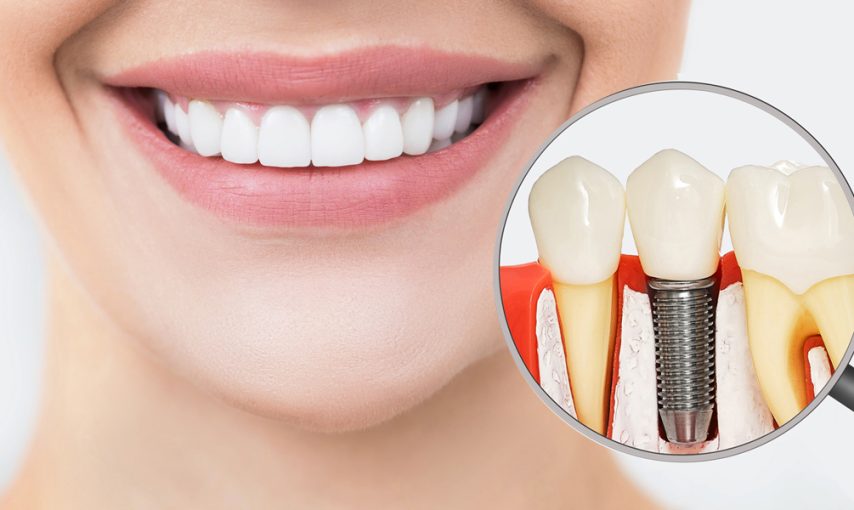
Dental Implant treatment replaces both the visible crown and the underlying root. During healing, the implant integrates with the surrounding bone through a biological process known as osseointegration.
Once integration is complete, a custom crown is attached. Because the implant is anchored in bone, it allows biting forces to be transmitted directly to the jaw. This support improves stability compared to removable dentures and reduces stress on neighboring teeth.
Patients considering Restorative dentistry near Crestwood often choose implants because they provide fixed support rather than relying on adjacent teeth or soft tissue. By replacing lost roots and crowns, implants restore stable chewing mechanics.
The Role of Implants in Bone Preservation
Structural reduction begins soon after a tooth is extracted. Without root stimulation, the surrounding area gradually decreases in volume. This process can affect facial contours and compromise the stability of adjacent teeth.
Dental implants help slow this process by transmitting functional forces into the jaw. This functional pressure supports structural stability in the treated region. While implants cannot rebuild significant volume that has already been lost, they can help retain existing support.
Before surgery, imaging is used to assess available jaw support. A Dentist in Crestwood may recommend bone grafting if the existing structure is insufficient to support the implant safely.
Who May Be a Candidate
Implant placement is not appropriate for all patients without prior evaluation. Candidacy depends on bone volume, gum health, and overall medical condition.
Ideal candidates generally:
- Have adequate jaw support
- Maintain healthy periodontal tissue
- Have controlled systemic health conditions
- Practice consistent oral hygiene
Patients considering restorative treatment options near Crestwood should complete a comprehensive diagnostic evaluation before choosing implant therapy. Medical history, radiographic imaging, and periodontal assessment are essential to determine suitability.
Long-Term Functional Stability
When properly maintained, implants can provide stable chewing support. They limit the drifting of surrounding teeth and help maintain stable jaw positioning.
Patients consulting a Dentist in Crestwood often pursue implants to improve bite stability during meals. Ongoing oral hygiene and routine professional examinations remain essential for maintaining healthy tissue around the implant.
Final Considerations
Implants replace absent tooth structures and reestablish efficient distribution of biting forces. They also assist in maintaining structural volume by replacing root function.
Careful diagnostic evaluation is essential to decide if implant treatment aligns with your oral health needs. A personalized consultation allows for detailed treatment planning based on individual clinical findings.