Category: Uncategorized

Jan 01, 2021

Why Preventive Dentistry is Vital for Your Oral Health Regimen

Poor oral hygiene practices may compel you to undergo extensive dental procedures in the future due to severe oral conditions. Following oral health guidelines provided by your dentist in Chicago, IL, can safeguard your oral tissues from severe infections and tooth decay. Dental preventive care services are vital in lessening the risks of gum diseases, dental decay, and other oral health conditions. Effective preventive dental care incorporates both home-based oral care and routine dental appointments to the dental office near you.

What’s preventive dental care?

Preventive dentistry involves procedures that are ideal for keeping your oral tissues healthy. Maintaining optimal oral health involves regular dental visits and regular home-based oral care. At Family Dental Care, we recommend you to make a regular visit to your dentist for dental exams to avoid the risk of having oral health issues. Dental evaluations and screening help identify issues at early stages and enable a suitable treatment plan.

What preventive dental care Entails

Daily oral hygiene measures and routine dental visits are vital approaches used in preventive dentistry. Dental exams enable your dentist to identify dental issues and provide you with a suitable treatment plan. Preventive oral care involves:

  • Fluoride treatment to reverse the action of tooth decay and strengthen teeth. Fluoride treatments in your dental office are more effective, and you need to use recommended mouth rinses and fluoride toothpaste at home.
  • Using digital X-rays, dental lasers, and intraoral cameras enable your dentist to check for signs of dental conditions, including cavities between teeth and issues below your gum line.
  • Oral Cancer Screenings are performed to detect any signs of lesions that cause oral cancer at early stages to enhance treatment.
  • Dental cleaning and screening are performed to detect gum diseases. Professional cleaning is recommended during your routine dental visits to remove plaque and stains. Dental scaling can be performed if you have tartar to prevent severe dental problems.
  • Sealants can be placed on your chewing surfaces to protect your teeth from further damage through decay. Your child should have sealants to prevent tooth decay at a tender age.
  • Mouthguards serve great preventive oral health care strategy since they are custom-made to protect your teeth from traumatic injuries during rigorous sporting activities. They are also applicable in preventing teeth clenching and managing TMJ disorders.
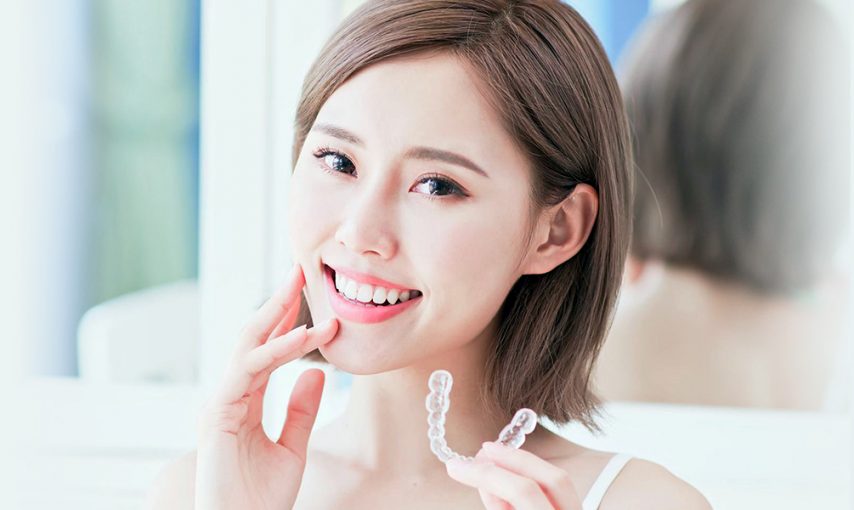
  • Oral malocclusions are addressed through orthodontic aligners, including Invisalign clear aligners. The appliances correct improper bites that can lead to injury and damage to your oral tissues.

Benefits of Preventive Oral Care

Following regular preventive dental exams and care provides you and your child with the benefits outlined below:

  • Minimizes risk for having gum diseases, tooth decay, and severe oral health issues
  • Promotes good oral hygiene practices and ensures you floss and brush regularly
  • Helps identify underlying oral health issues early
  • Reduces dental problems that are linked with chronic illnesses like diabetes, cancer, and cardiovascular issues.
  • Enables your dental specialist to perform a full examination of your jaw bone, mouth tissues, and neck and identify underlying issues.

Dietary Measure for Your Oral Health

Sugary foods and beverages may cause tooth decay. It would be best to lessen the intake of sugary snacks and adopt a dietary lifestyle that’s inclusive of fresh fruits and vegetables. Dairy products are ideal for strengthening your teeth since they contain calcium. Acidic foods attribute to dental erosion of your tooth enamel, which leads to pain and hypersensitivity. Our dentist in Chicago, IL, may recommend you to brush after meals.

Smoking can cause adverse effects on your teeth, including staining, mouth cancer, and tooth loss. Intake of excessive alcohol can put you at risk of having tooth decay and erosion. It’s important to regulate the intake of alcoholic drinks and smoking.

Home-Based Preventive Care

Routine preventive oral health care at home is vital in preserving your oral tissues against decay and periodontal infections. Below are useful tips you need to embrace:

  • Brush your teeth regularly using recommended fluoride-based toothpaste to prevent decay
  • Use soft-bristled interdental brushes to brush your teeth and floss regularly.
  • Rinse your mouth with a non-abrasive anti-bacterial mouthwash. Cleaning your mouth prevents gum diseases.

Undertaking dental preventive care services keeps your oral tissues healthy, and the dentist near you may recommend you to undergo routine dental appointments bi-annually. Preventive dental measures keep your teeth cavity-free and prevent infections. Your dental health affects your well-being. It’s crucial to follow all recommended oral hygiene measures from the dentist near you.

Previous Blog Post

Types of Teeth Whitening Treatments

Cosmetic dentistry has gained significant popularity in recent years. People care more about how they look now than ever in history. Among the many issues that cause people to feel dissatisfied with their dental physic is the discoloring of teeth. As an adult, it is usual for your teeth to discolor with time. With professional…

Read More

Jan 01, 2021

Taking Care of Your Child’s Teeth

Children start developing their baby teeth at six months. Due to some of the habits children have, their milk teeth might be at risk of damage. Although the primary teeth will eventually fall off, taking care of them is still significant since unhealthy teeth can damage your child’s gums and cause other general health issues.

Healthy teeth are everyone’s wish, including children. They help your kids chew, speak, and even sleep without difficulties. Also, oral care practices help your child develop good oral health habits as they grow.

To help your child develop acceptable oral care practices, you can consider the following:

  • Let your child choose their toothbrush, especially the ones with their favorite colors
  • Allow your child to pick their favorite toothpaste
  • Use a timer to ensure your child brushes for two minutes
  • Often reward your child for good oral care
  • Accompany your child to their teeth to the dentist for check-ups and cleanings

Ways to Improve Your Childs Dental Health

Some of the ways your pediatric dental specialist might recommend to improve your dental health include:

Oral Exams and Cleanings

Brushing and flossing are not enough to eliminate all the debris and plaque on your child’s teeth. Therefore, you should consider regular dental cleanings and exams. During the exams, the kid’s dentist will examine your child’s teeth and offer treatments if they show any signs of a dental issue.

Oral exams and cleaning are essential to prevent dental issues such as tooth decay and gum infections, which can cause long term complications for your child.

Fluoride Treatments

Fluoride is a naturally occurring mineral that is essential in your child’s dental health. The fluoride mineral can be found in drinking water and toothpaste. However, it might not be sufficient to prevent dental cavities. Therefore, your pediatric dentist will recommend fluoride treatments.

However, excessive fluoride can be harmful to your kid’s health.

Brushing and Flossing

Brushing and flossing your teeth is the primary preventative dental care practice. By brushing and flossing their teeth, your kids are at a reduced risk of developing dental issues since such oral hygiene practices help eliminate plaque tartar and debris from your teeth. Plaque and tartar on the teeth and gumline can cause tooth decay, gum infections, and sometimes tooth loss.

When your kids are brushing and flossing their teeth, it is advisable to supervise them, especially toddlers. Ensure the kids brush their teeth twice a day and change their toothbrush every three months. Flossing should be gentle to avoid bruising the gums.

Avoiding Sugary Foods

Kids love sugary foods, especially sticky candy. When the sugary foods stick on the teeth surfaces, they release acids that corrode the enamel, causing dental cavities. To prevent dental cavities, your dentist in Evergreen Park might recommend that your kids avoid sugary and sticky foods.

Diet

Your kid’s diet is significant in their dental health. Consuming foods rich in calcium helps strengthen their teeth. Therefore, your kid will be able to enjoy their favorite foods without any difficulties. Foods rich in calcium include:

  • Milk
  • Eggs
  • Kales
  • Spinach
  • Soya drinks fortified with calcium
  • Fish where you eat the bones, such as sardines
  • Bread

Eating crunchy fruits and vegetables would be significant in improving your child’s oral hygiene. Crunchy fruits and vegetables help to rub plaque and debris from your teeth surfaces, preventing tooth decay and gum disease.

Protective Mouthguards

If your child plays contact sports, they might be at risk of dental injuries. Also, children who grit or clench their teeth might be at risk of root canal infections due to wear and tear. Therefore, you should consider visiting a kid’s dentist. The dentist will take impressions of the child’s teeth and make a custom protective mouthguard.

When to Seek Pediatric Dentistry Services

Your child starts developing their baby teeth at six months. Therefore, your child can start seeing the dentist a year after birth. Early visits help your kid’s dentist take a look at your child teeth condition’s and prevent any complications that may arise.

Regular dental visits after every six months for exams and cleanings. However, a dental issue might arise and compel you to take your child to the dentist before the routine dental exams. For pediatric dentistry services, you can visit us at Family Dental Care.

Previous Blog Post

Why Preventive Dentistry is Vital for Your Oral Health Regimen

Poor oral hygiene practices may compel you to undergo extensive dental procedures in the future due to severe oral conditions. Following oral health guidelines provided by your dentist in Chicago, IL, can safeguard your oral tissues from severe infections and tooth decay. Dental preventive care services are vital in lessening the risks of gum diseases,…

Read More

Jan 01, 2021

Dental Crowns and Bridges to Restore Your Teeth

Do you have damaged or missing teeth on your jaw? Damaged or missing teeth can affect your smile, bite, and chewing abilities. However, you don’t have to suffer the agony of tooth gaps or broken or severely decayed teeth.

With some restorative dentistry options such as dental crowns your bridges, you can improve your smile and restore your oral functions. For missing teeth, your dentist might recommend a dental bridge in Oaklawn, while for damaged teeth, a tooth crown would be suitable.

What Is a Dental Crown?

Dental crowns are artificial tooth caps that your dentist might use to cover your damaged teeth, place over a dental implant, or support a tooth bridge. When you have damaged teeth, you might be at risk of root canal infections that required complex treatments. Therefore, by placing a crown over the damaged teeth, your dentist prevents infections and improves the tooth’s appearance.

There are several types of dental crowns, which include:

Metal Crowns

Metal crowns can be gold and other alloys such as nickel. Unlike the other types of dental crowns, metal crowns are stronger and durable. Therefore, your dentist might recommend these types of crowns for your back teeth since they can handle pressure without the risk of breaking or chipping.

Ceramic Dental Crowns

Ceramic or all-porcelain dental crowns mimic your natural tooth color. Therefore, they are the right choices if you want to improve your smile aesthetics. However, the ceramic material is prone to cracking and chipping, making them only suitable for front teeth.

Porcelain-Fused-to-Metal Crowns

If you need dental crowns to restore damaged teeth on both the front and the back of the jaw, porcelain-fused-to-metal crowns are the way to go since they are durable and provide smile aesthetics. However, the porcelain material might be prone to chipping and cracking if you don’t take good care of your restorations.

All-resin Dental Crowns

All-resin dental crowns provide smile aesthetics since your dentist can choose a shade that matches your natural tooth color. However, the composite resin material is prone to chipping. Therefore, you can select them to restore your front teeth since they are the cheapest types of dental crowns.

Dental Crowns Procedure

When getting a dental crown, your dentist in Oaklawn will examine your teeth and determine if dental crowns are the most suitable dental restoration for your teeth. Next, the dentist will prepare your tooth by shedding the damaged parts of the enamel to accommodate your tooth caps.

After preparing your teeth, the crown dentist will take impressions of your teeth and send them to the dental lab to create your permanent dental crowns. Meanwhile, your dentist will place a temporary one to cover the prepared one.

Your dentist will then schedule another appointment to place your permanent dental crowns. During the second appointment, the dentist will remove the temporary crown and replace it with a permanent one. The dentist will then proceed to check your bite and make necessary adjustments before cementing it in place.

Dental Bridges

A dental bridge is a tooth replacement solution that utilizes abutment teeth, dental frameworks, tooth crowns, and a false tooth. There are four types of dental bridges, which include:

  • Traditional dental bridges- utilize two abutment teeth to hold them in place
  • Maryland-bonded dental bridges-utilize metal or porcelain frameworks to hold them in place
  • Cantilever dental bridges- instead of utilizing two abutment teeth, a cantilever bridge requires only one abutment tooth on the side
  • Implant-supported bridge- uses a dental implant to hold them in place

Dental Bridges Procedure

When you are getting a dental procedure, our dentist at Family Dental Care in Oaklawn first examines your teeth. Next, your dentist will prepare your abutment teeth to place the bridge. The dentist will then take impressions of the teeth and send them to the dental lab to create your permanent dental bridges.

Meanwhile, your dentist will place a temporary dental bridge as you wait for your permanent ones. During the final appointment, your dentist will remove the temporary bridge and replace it with a permanent one before checking your bite and making necessary adjustments.

The dentist will then cement the dental bridge in place. However, the procedure for getting dental bridges varies according to the type of tooth restoration you are getting.

Previous Blog Post

Taking Care of Your Child’s Teeth

Children start developing their baby teeth at six months. Due to some of the habits children have, their milk teeth might be at risk of damage. Although the primary teeth will eventually fall off, taking care of them is still significant since unhealthy teeth can damage your child’s gums and cause other general health issues….

Read More

Dec 24, 2020

Top Trends in Cosmetic Dentistry of 2020

Cosmetic dentistry has become popular, and it will only get more popular in the coming years. Many people are starting to see the true value of a beautiful smile, and the procedures are becoming more and more affordable.

There is a cosmetic dental procedure for every problem. In this post, we will discuss the top trends in cosmetic dentistry. Hopefully, you will find a procedure that can solve your problem.

Teeth Whitening

Teeth whitening is, by far, the most common cosmetic procedure in dentistry. The procedure involves the use of advanced whitening techniques under the supervision of a professional. Typically, the procedure is conducted in a dental office. Its results are always something admirable.

Tooth whitening is more affordable than other cosmetic procedures, and it does not take long to complete. In most cases, it will not take you more than 45 minutes in the dental office. However, it is worth noting that the whitening effects do not last forever.

In most cases, you will require a touchup every two years if you maintain proper oral hygiene. However, if you are a smoker or continuously take staining foods without maintaining proper oral hygiene, the effects may last as little as two months.

If you don’t want to try in-office whitening, you can try at-home techniques. The techniques are effective and cheap, but it can take a long time before you start seeing the effects. Furthermore, overuse of whitening products can lead to increased sensitivity. Some of the at-home techniques you can try include:

  • Swish your mouth with coconut or sesame oil for two minutes after brushing.
  • Eat more pineapples and papayas since they contain enzymes that have been proved to help with whitening.
  • Use whitening toothpaste and trays.
  • Avoid staining drinks and foods.
  • Use baking soda once a day to brush your teeth.
    • Orthodontic Treatment

      Orthodontic treatment has been around for decades. However, it used to be a treatment for kids. Adults didn’t care much about it. But with the introduction of clear aligners such as Invisalign® and ClearCorrect®, the treatment has become popular among adults.

      Clear aligners are discreet, comfortable, and removable, making them a perfect option for adults. Typically, you will need to wear the aligners at least 22 hours a day. The treatment can take up to two years, depending on the extent of the problem. In the end, you will achieve well-aligned teeth without wide gaps. We are here for you if you are looking for cosmetic dental services in Chicago, IL.

      Veneers

      Tooth whitening is usually effective, but unfortunately, not all stains can be whitened. For example, if you have brown or black stains, whitening will not do you any good. Whitening chemicals often work with yellow stains. However, you don’t need to worry. There are other options to improve the appearance of your teeth. One of the finest options is dental veneers.

      Veneers use thin tooth-colored shells designed to improve the appearance of a tooth and strengthen the weak ones. The procedure is fast and painless. It is also relatively affordable, despite being a permanent tooth whitening option. The material used for the veneers is stain-resistant and can last for a long time. However, you will still need to continue taking proper care of your teeth.

      Dental Bonding

      Dental bonding is as aesthetic as it is affordable. It uses tooth-colored material and often used to repair chipped and broken teeth affecting your smile. The procedure is fast and painless, plus you won’t need to be sedated.

      Dental Implants

      Implants are often used for restorative purposes. That does not mean that it doesn’t improve your smile, though. The implant is pretty much like your natural teeth in terms of functionality and appearance. It uses a titanium screw that acts as a root and a tooth-colored crown. Typically, it is considered the best restorative procedure.

      Unfortunately, the whole procedure takes some time before completion. It can take up to six months to get an implant. It is always worth the wait, though.

      A Dentist Near You

      If you are looking for a dentist in Chicago, IL, you are in the right place. We can help you with cosmetic, preventive, and restorative procedures. We strive to provide our clients with services of the highest quality at pocket-friendly prices. Book an appointment now.

Previous Blog Post

Dental Crowns and Bridges to Restore Your Teeth

Do you have damaged or missing teeth on your jaw? Damaged or missing teeth can affect your smile, bite, and chewing abilities. However, you don’t have to suffer the agony of tooth gaps or broken or severely decayed teeth. With some restorative dentistry options such as dental crowns your bridges, you can improve your smile…

Read More

Dec 24, 2020

8 Periodontal Disease Facts Everyone Should Know

Periodontal/gum disease is one of the most common dental infections. It affects the gum and the surrounding bone, loosening a tooth and, in the end, making it fall.

It is the leading cause of tooth loss because it is often a silent “killer.” Many people don’t realize they are suffering from gum disease until it is too late. That’s why it is always important to visit the dentist every six months for checkups and cleanings.

In this blog, we will discuss gum disease in detail to help you make an informed decision. We are here for you if you are looking for periodontal treatment near you in Calumet City.

Periodontal Disease Affects Over 70 Percent of Americans

A large percent of the population is affected by gum disease, but unfortunately, most don’t even know it. Most cases are undiagnosed, but you can change that by paying your dentist a visit every six months.

It Affects Everyone

Periodontal disease does not know children, ladies, or gentlemen. It affects everyone, despite their age, gender, or health. However, some individuals are at a higher risk of infection than others. For example, smokers are at the highest risk of developing gum disease.

The same applies to older people. They are also at a higher risk of developing periodontal disease. Still, it is crucial for everyone to visit the dentist every six months to reduce the risk of losing a natural tooth to the infection.

Bad Breath is a Major Sign of Periodontitis

Bad breath may seem like a normal thing, especially if it disappears after brushing, but sometimes it is a sign of periodontitis. It is worse if the bad breath won’t disappear even after brushing your teeth. If that’s the case, instead of stocking up on chewing gums, see a dentist, and identify the root cause of the bad breath.

Gum Disease Can Be a Sign of Other Serious Medical Conditions

Several studies have shown that there is a link between gum disease and some serious medical conditions such as stroke, heart attack, and Alzheimer’s disease. Therefore, doing all you can to prevent periodontitis should be a priority. By doing so, you will be preventing other infections as well.

People from Families with Periodontitis History Are At a Higher Risk

Periodontal disease is not hereditary per se, but there are various studies that show genetics influence the susceptibility of the disease. One of those studies was conducted by the American Academy of Periodontology.

Therefore, if your family has a history of periodontal disease, talk to your dentist so you can derive so you can develop a more customized plan.

Periodontal Disease is Treatable

Periodontitis is not a chronic disease, and anyone with it can be treated. There are various treatments for the condition. If one does not work for you, the dentist can always try another. The only problem is most people figure they have the condition when it is too late.

Sometimes, the affected tooth has to be extracted to prevent it from spreading the infection to the surrounding teeth. But in most cases, the eaten bone will be regrown, and your tooth will be treated.

Most treatments are easy to perform and do not involve cut-and-sew. However, sometimes surgery has to be used if the gum disease is too severe. Don’t panic, though. It will be pain-free, thanks to sedation.

Dental Implants Can Be Affected By Gum Disease Too

Typically, cavities do not affect dental implants. Now, some people use this logic to conclude that periodontal disease does not affect dental implants. That’s not the case, though. Implants are not safe from gum disease. In fact, gum disease is responsible for three to twenty percent of dental implant fails.

Periodontitis is Preventable

Gum disease is scary, but the good news is it is preventable. Continue maintaining proper oral hygiene and visit your dentist every six months for checkups. Even if you are attacked by gum disease, and you visit the dentist regularly, it will be treated before it causes any irreversible damage.

Dentist in Calumet City, IL

If you are looking for periodontal services, you are in the right place. We offer comprehensive dental services, and our services come at pocket-friendly prices. Book an appointment today.

Previous Blog Post

Top Trends in Cosmetic Dentistry of 2020

Cosmetic dentistry has become popular, and it will only get more popular in the coming years. Many people are starting to see the true value of a beautiful smile, and the procedures are becoming more and more affordable. There is a cosmetic dental procedure for every problem. In this post, we will discuss the top…

Read More

Dec 24, 2020

8 Common Questions About Invisalign® Treatment

Orthodontic treatment has become quite popular, thanks to invisible aligners such as Invisalign® and ClearCorrect®. Clear aligners are removable, discreet, and comfortable. They are the best option for any adult looking to straighten his/her teeth.

However, some people are still not sure about the procedures. In this blog, we answer the most common questions about Invisalign. Hopefully, the answers will help you make an informed decision.

What is Invisalign?

Invisalign is a modern orthodontic option that uses nearly invisible aligners to correct misaligned teeth and wide gaps between teeth. The aligners do not use wires, and the material used to make them is approved by the FDA. . The treatment is most common among adults, but that does not mean it can’t be used by children.

Why Should I Choose Invisalign Over Traditional Braces?

There is no problem with using traditional braces to correct misalignment. However, traditional braces come with some discomforts and are often associated with children. Also, Invisalign has many benefits over metal braces. These benefits include:

  • Clear aligners are more comfortable than traditional braces. They don’t have wires and brackets, which often cause discomfort in traditional braces.
  • Invisalign aligners are almost invisible, meaning no one will know you are under treatment if you don’t tell. However, they don’t magically disappear when you place them on your teeth. If someone looks hard enough, she will see them.
  • Clear aligners are more convenient because they are removable. You can remove them, eat all your favorite foods, brush your teeth, rinse the aligners, and put them back.
  • Invisalign aligners are easier to maintain compared to metal braces.
  • You will only need to visit the dentist at least once every six weeks during the treatment. With traditional braces, you may need to visit the dentist every two to three weeks.

How Much Does Invisalign Cost?

The cost of clear aligners varies from one dental clinic to another. Several factors affect the cost, including the dentist’s experience, location of the clinic, and the need for additional procedures. Talk to us if you are looking for affordable Invisalign in Evergreen Park. We got you covered.

What are the Dos and Don’ts of Invisalign?

  • Don’t eat or drink anything apart from the water with your Invisalign.
  • Don’t use colored soap to clean your aligners.
  • Do sanitize your aligners with denture cleaner from time to time.
  • Do brush your aligners but do it gently.
  • Do rinse the aligners every time before putting them back in the mouth.

How Does Invisalign Work?

Typically, invisible aligners work pretty much like traditional braces when it comes to correcting misalignment. The major difference between the two is one is invisible while the other one is “shouting.”

Each aligner is considerately designed to exert specific pressure and make a gradual adjustment to the teeth. You will need to wear the aligners at least 22 hours a day and swap them every two weeks. Your dentist will give you the replacements and teach you how to swap them.

How Long Will Invisalign Treatment Take?

Some people have been convinced that Invisalign treatment is faster than metal braces treatment, but that’s just a myth. The two treatments take almost the same time. Some cases can be faster with metal braces, while others can be faster with Invisalign. Therefore, expect the treatment to take between 12 and 18 months. Your dentist will give you an estimation of how long the treatment will take.

Will I Need to Give Up Certain Foods If I Choose Invisalign?

No. Unlike traditional braces, where you need to be very careful with fibrous and sticky foods, you have nothing to worry about with traditional braces. After all, you can remove the aligners, eat the food of your choice, and put them back after cleaning your teeth.

Does Invisalign Hurt?

No, Invisalign does not hurt. However, there are some discomforts at the beginning of the treatment, although they won’t last long. The severity of these discomforts varies from one patient to another.

Dentist in Evergreen Park

If you are looking for Invisalign in Evergreen Park, you are in the right place. We provide comprehensive dental services under one roof, and you can count on us for all dental services. Book an appointment today and let us help you.

Previous Blog Post

8 Periodontal Disease Facts Everyone Should Know

Periodontal/gum disease is one of the most common dental infections. It affects the gum and the surrounding bone, loosening a tooth and, in the end, making it fall. It is the leading cause of tooth loss because it is often a silent “killer.” Many people don’t realize they are suffering from gum disease until it…

Read More

Dec 24, 2020

7 Surprising Myths About Root Canal Treatment in Crestwood

A root canal is one of the most common dental procedures. Unfortunately, it is faced with a lot of misinformation that some patients don’t think they can benefit from it. In this blog, we will debunk the most common myths about the treatment to help you make an informed decision.

But first, let’s learn a little about the treatment. We are here for you if you are looking for root canal services near you in Crestwood.

Fast Facts About Endodontic (Root Canal) Treatment

  • Endodontic treatment is considered the last resort for a severely decayed or infected tooth.
  • Tooth extraction is often the consideration if endodontic treatment fails to save the tooth.
  • The dentist fits a dental crown to restore the functionality and appearance of your tooth.
  • A dentist who specializes in conducting root canals is known as an endodontist.
  • You can get an endodontic treatment at Family Dental Care in Crestwood.

Myth #1: Endodontic Treatment is the Most Painful Dental Procedure

A few years ago, dental procedures used to painful, and the root canal used to be the most painful among all. However, that has changed with the introduction of oral sedation. The dentist sedates a patient before an advanced treatment, and now root canal is as painless as other dental procedures.

Myth #2: Endodontic Treatment Causes Illness

The internet is great, but it can be a major source of misinformation. For example, if you search, “Does root canal cause illness?” You will find more than one article with evidence showing how endodontic treatment is bad and causes illnesses. However, that’s not true.

The myth originated from half-baked research conducted almost a century ago. Then, doctors had not understood the cause of many illnesses, and when a few individuals got sick after undergoing root canal therapy, it was concluded it causes illnesses. But the truth is root canal is safe and does not cause illnesses.

Myth #3: Tooth Extraction is a Better Option than Root Canal

The truth is, nothing can replace your natural tooth. That’s why it is crucial to preserve your teeth by all means. Therefore, if a root canal can save your tooth, you should choose it without thinking twice. You should only consider extraction if the tooth cannot be saved through a root canal.

Myth #4: Dentist Removes Infected Roots During the Procedure

Despite having the word root in its name, endodontic treatment does not touch the roots of the infected tooth. The only thing the dentist will remove is the dental pulp and the infections affecting it. Finally, he will add tooth filling or dental crown to restore the functionality of the tooth.

Myth #5: The Treatment is Extremely Expensive

We provide the exact cost of the treatment because each clinic charges differently. However, we can assure you that it is not too expensive and it is worth every dollar. After all, you are saving a natural tooth.

Furthermore, if you extract the tooth, you will need to replace it. Replacement options are even more expensive. Our dentist in Crestwood is here for you if you want to get the exact cost of the procedure.

Myth #6: Pregnant Women Cannot Get a Root Canal Treatment

There are hundreds of things pregnant ladies should not do, but getting a root canal treatment is not one of them. Yes, there will be a few x-ray scans, but the radiation is too little to cause any harm to you or your little one.

Furthermore, the dentist will ensure that you wear protective gear, and the x-rays will be directed towards your mouth and not the abdomen. Therefore, you can still get a root canal even if you are pregnant. Just make sure to inform the dentist beforehand.

Myth #7: It Increases Tooth Sensitivity

After the treatment, you will experience slightly increased sensitivity, so there is some truth to the myth. However, these side effects do not last long, and your tooth should be back to normal within a few days. Therefore, if you fear getting a root canal thinking that the sensitivity lasts forever, that’s not the case.

A Dentist Near You

If you are looking for root canal services in Crestwood, you are in the right place. We are always ready to serve, and we assure you of the services of the highest quality. Book an appointment now.

Previous Blog Post

8 Common Questions About Invisalign® Treatment

Orthodontic treatment has become quite popular, thanks to invisible aligners such as Invisalign® and ClearCorrect®. Clear aligners are removable, discreet, and comfortable. They are the best option for any adult looking to straighten his/her teeth. However, some people are still not sure about the procedures. In this blog, we answer the most common questions about…

Read More

Dec 24, 2020

6 Frequently Asked Questions About Preventive Dental Care in Chicago

Most dental problems are preventable when one maintains proper oral hygiene. What many people don’t understand is proper oral hygiene does not only mean brushing your teeth twice and flossing once. You need to use the right brushing techniques, use the right toothpaste, and undergo regular professional cleanings and exams.

A dentist can help you stay grow cavity-free and avoid other infections such as periodontal disease. In this blog, we will answer frequently asked questions about preventive dental services to help you make an informed decision.

What is Preventive Dentistry?

Preventive dentistry is simply taking proper care of your oral hygiene with the help of a dentist or hygienist. With the help of a dentist, you can grow cavity-free, avoid infections, and maintain a beautiful smile. The dentist will work with you to ensure you don’t need expensive dental services in the future.

Is Preventive Dentistry for Everyone?

Yes, preventive dentistry is not restricted to any age or gender. It is a treatment meant for everyone, from a one-year-old baby to a hundred-year-old senior citizen. It also benefits people who have lost their natural teeth and are using dentures, bridges, or implants.

Some preventive care plans include annual oral cancer screenings. This means you will be screened for oral cancer annually. If you are diagnosed, you will have better odds of beating it because it will be diagnosed early. The dentist can also identify early signs of serious infections such as diabetes and heart attack.

What Are the Benefits of Preventive Dental Care?

Some of the benefits of preventive care include:

  • Tooth decay prevention. Cavities are pretty common, especially among children, and a dentist can help your kid grow cavity-free.
  • Comprehensive exams whereby the dentist can identify early signs of cavities, gum disease, and other severe infections such as heart attack and high blood pressure.
  • Gum disease prevention. Gum disease is the leading cause of tooth loss. Preventing it means preserving your natural teeth.
  • Fluoride treatment to prevent cavities and strengthen the bone.
  • Bad breath help. Bad breath can affect your self-confidence and make you fear talking in public. The dentist can help you always have a fresh breath.

What Is My Role in Preventive Dentistry?

Typically, the dentist is there to guide you, and you should do as he says. Some of the things he might ask you to do are:

  • Brush and floss your teeth as recommended. Be sure to use the techniques your dentist will teach you.
  • Don’t spit the toothpaste immediately after brushing. Allow the fluoride for about one or two minutes to stay on the teeth so it can be absorbed.
  • Use an electric toothbrush whenever possible.
  • Use a recommended mouthwash after flossing.
  • Reduce your sugary foods and drinks intake
  • Cut down your intake of acidic drinks such as soda and alcohol.
  • Use sugar-free gum from time to time to increase saliva production in your mouth.
  • Quit drinking alcohol and smoking tobacco
  • Never miss a scheduled visit to the dentist.

What Are the Types of Preventive Dental Care Services?

  • Regular dental exams and professional cleanings. In most cases, these cleanings will come every six months.
  • Routine x-ray checkups
  • Oral cancer cleanings. However, you should note that not all preventive care plans cover oral cancer screenings. Be sure to confirm with your dentist.
  • Fluoride treatments
  • Dental sealants

Who Should I See for Preventive Dental Care Services?

A pediatric dentist will help your child from when she’s one year old until her late teen years. Any qualified dentist can help you if you want to start a preventive care plan as an adult. You can also get these services from an oral hygienist.

A Dentist You Can Trust

If you are looking for a dentist in Chicago, you are in the right place. Our clinic is family-friendly, and we can help your child grow cavity-free. You can also count on us for cosmetic and restorative services.

Previous Blog Post

7 Surprising Myths About Root Canal Treatment in Crestwood

A root canal is one of the most common dental procedures. Unfortunately, it is faced with a lot of misinformation that some patients don’t think they can benefit from it. In this blog, we will debunk the most common myths about the treatment to help you make an informed decision. But first, let’s learn a…

Read More