Author: Familydentalcare_aDMeeN

May 16, 2026

How Bite Problems Lead to Uneven Tooth Wear

Uneven tooth wear does not usually happen overnight. It develops gradually, often as a result of bite imbalance, jaw tension, or unconscious clenching. When teeth do not meet evenly during chewing, certain areas absorb more pressure than they should. Over time, that excess force wears down enamel and can lead to structural damage.

Understanding how bite problems affect tooth surfaces can help patients recognize early warning signs and seek appropriate care before complications become more serious.

What Is an Improper Bite?

A healthy bite allows upper and lower teeth to contact evenly when the mouth closes. This alignment distributes chewing forces across multiple teeth rather than concentrating pressure on a single area.

When the bite is misaligned, also called malocclusion, some teeth may absorb more stress than others. This uneven force can gradually thin enamel, flatten chewing surfaces, or create small fractures.

Bite problems may develop due to:

  • Natural tooth shifting over time
  • Missing teeth
  • Old restorations
  • Jaw misalignment
  • Chronic clenching or grinding

Even subtle discrepancies can influence how teeth function during daily activities like chewing or speaking.

The Role of Teeth Grinding

Teeth grinding, also known as bruxism, is a common contributor to uneven wear. Many individuals grind their teeth in sleep without realizing it.

Grinding creates repeated friction between upper and lower teeth, gradually eroding enamel. In severe cases, teeth may appear shortened or flattened.

Patients who require teeth grinding treatment in Evergreen Park often report jaw soreness, morning headaches, or tooth sensitivity. Without intervention, continuous grinding can compromise tooth structure and increase the risk of fractures.

Nightguards are commonly recommended to protect enamel and reduce excessive pressure.

How Bite Imbalance Leads to Wear Patterns

When teeth do not align properly, chewing forces become uneven. Certain teeth may absorb more stress than others, leading to:

  • Flattened edges
  • Chipped enamel
  • Increased sensitivity
  • Hairline cracks

Over time, these patterns can alter the overall bite even further, creating a cycle of progressive damage.

For example, if a back tooth is missing, nearby teeth may shift into the open space. This changes how forces are distributed, placing additional pressure on surrounding teeth.

The Connection Between Jaw Joint Strain and Tooth Wear

The temporomandibular joint (TMJ) connects the jawbone to the skull. When this joint does not function smoothly, it can alter how teeth come together.

Conditions involving the jaw joint, often referred to as TMJ disorders, may cause clicking, popping, or discomfort while chewing. These symptoms sometimes accompany uneven wear patterns.

Chronic jaw tension can also change muscle coordination, affecting bite stability. When muscles overcompensate, they may pull the jaw slightly out of alignment, increasing localized pressure on certain teeth.

In such cases, evaluation for TMD/TMJ treatment may be recommended to address both joint function and tooth protection.

Warning Signs of Uneven Tooth Wear

Because wear develops slowly, many people do not notice changes immediately. However, several signs may indicate a developing bite problem:

  • Increased tooth sensitivity
  • Rough or flattened chewing surfaces
  • Small chips along edges
  • Jaw discomfort or stiffness
  • Frequent headaches

Early detection allows for corrective measures before enamel loss becomes significant.

A qualified dentist in Evergreen Park can evaluate wear patterns, assess occlusion, and recommend appropriate management options.

Long-Term Effects of Ignoring Bite Issues

When uneven wear is left untreated, several complications may occur:

  • Progressive enamel loss
  • Dentin exposure
  • Increased cavity risk
  • Structural weakening
  • Fractured restorations

As enamel thins, teeth may become more sensitive to hot and cold temperatures. In advanced cases, extensive restorative treatment may be necessary to rebuild lost structure.

Addressing bite problems early often reduces the need for complex procedures later.

Treatment Options for Bite-Related Wear

Management depends on the underlying cause. Treatment may include:

  • Custom nightguards to reduce grinding pressure
  • Orthodontic correction to improve alignment
  • Replacement of missing teeth
  • Bite adjustment to balance occlusion
  • Jaw therapy to address muscle tension

Protective devices such as nightguards help absorb excessive forces and minimize friction between teeth. In cases involving joint dysfunction, targeted therapy may reduce strain and improve bite harmony.

Each treatment plan is individualized based on wear severity and overall oral health.

Preventing Further Damage

Although some wear occurs naturally with age, excessive damage is often preventable. Preventive steps include:

  • Attending regular dental evaluations
  • Addressing grinding early
  • Replacing missing teeth promptly
  • Avoiding chewing hard objects
  • Managing stress to reduce clenching

Routine monitoring allows professionals to detect subtle changes before they progress.

Final Thoughts

Bite problems are more than a cosmetic concern. They can gradually erode enamel, weaken tooth structure, and strain the jaw joint. Uneven wear patterns often signal underlying alignment or muscle issues that require attention.

Recognizing symptoms such as jaw tension, sensitivity, or flattening of teeth helps prevent long-term damage. With early evaluation and appropriate treatment, it is possible to preserve enamel, protect joint health, and maintain comfortable function.

At Family Dental Care – Evergreen Park, careful bite assessment and personalized treatment planning help address uneven wear before it leads to more significant complications. Taking proactive steps today can protect your smile for years to come.

Previous Blog Post

What Happens If You Haven’t Been to the Dentist in Years?

If you haven’t been to the dentist in years, minor dental issues may have worsened gradually without causing noticeable symptoms. Cavities, gum disease, tartar buildup, and infections often develop slowly over time. The good news is that returning to the dentist can help identify concerns early and improve your oral health before problems become more…

Read More

May 11, 2026

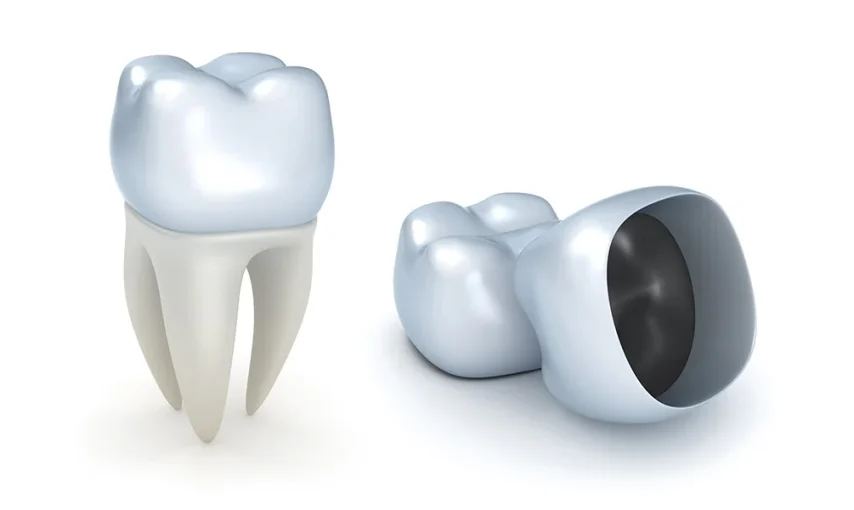
What Makes Same-Day Crowns Different From Traditional Crowns

When a tooth becomes cracked, severely decayed, or weakened after root canal therapy, timely restoration is essential to preserve its structure. Many patients exploring same-day crowns in Crestwood want to understand how this modern option compares to traditional crowns fabricated in a dental laboratory. While both serve the same purpose, the process, materials, and timeline differ significantly.

Understanding these distinctions lets patients make informed choices about their restorative care.

What Are Dental Crowns?

Dental crowns are custom restorations designed to cover and protect a damaged tooth. They restore shape, strength, and function while preserving the remaining natural structure underneath.

Crowns are commonly recommended when:

  • A tooth has a large cavity
  • A fracture compromises stability
  • A root canal has a weakened internal structure
  • An old filling can no longer support the tooth

Regardless of fabrication method, crowns cover the prepared tooth and distribute chewing forces to reduce structural stress.

How Traditional Crowns Are Made

Traditional crowns typically require two visits. During the first appointment, the dentist reshapes the affected tooth and takes a physical or digital impression. This impression is sent to a laboratory where technicians fabricate the final restoration over one to two weeks.

A temporary crown is settled while waiting for the permanent one to return from the lab. At the second appointment, the temporary is removed, and the final crown is cemented.

This method has been widely used for many years with predictable outcomes. Laboratory-fabricated crowns may be made from porcelain, metal alloys, or layered ceramic materials.

What Makes Same-Day Crowns Different?

Same-day crowns use advanced digital scanning and in-office milling technology. Instead of sending impressions to a lab, the dentist captures a 3D image of the prepared tooth. The crown is then designed using specialized software and milled from a solid ceramic block while the patient waits.

The entire restoration process is completed during a single appointment.

Patients searching for dental crowns near me are often interested in minimizing time away from work or family responsibilities. Same-day restorations exclude the need for temporary crowns and follow-up placement visits.

Material Differences and Strength

Traditional crowns can be fabricated using layered porcelain over metal frameworks or other material combinations. Same-day crowns are typically milled from high-strength ceramic.

Modern ceramic materials are engineered to withstand normal chewing forces while closely matching natural tooth appearance. While some complex cases may still benefit from laboratory fabrication, in-office milled crowns are suitable for many restorative situations.

Material selection depends on factors such as tooth location, bite pressure, and cosmetic goals.

Precision and Fit

Digital scanning technology reduces the need for traditional impression trays filled with molding material. Many patients find digital impressions more comfortable.

Computer-aided design allows precise measurements, and milling machines carve the crown to match the digital model. This can provide a highly accurate fit when properly calibrated.

A skilled dentist in Crestwood evaluates bite alignment carefully before final placement to ensure stability and comfort.

Time Efficiency and Convenience

The most noticeable difference between same-day and traditional crowns is convenience. Completing treatment in one appointment eliminates:

  • Temporary crown discomfort
  • Risk of temporary crown loss
  • Additional scheduling
  • Multiple injections

For patients with demanding schedules, this streamlined approach can significantly reduce disruption to daily life.

However, some complex restorations may still involve laboratory fabrication when specialized layering or shading techniques are necessary.

Aesthetic Considerations

Both types of crowns can provide natural-looking results. Same-day ceramic restorations are color-matched digitally to blend with surrounding teeth.

Traditional lab-crafted crowns may allow for additional customization in cases involving front teeth or highly specific cosmetic demands. The choice depends on individual expectations and clinical assessment.

Longevity and Maintenance

With proper maintenance, both same-day and traditional restorations can function effectively for many years. Longevity depends on:

  • Oral hygiene habits
  • Bite alignment
  • Grinding or clenching
  • Routine dental evaluations

Although durable, these restorations can still be damaged under excessive force. Avoiding chewing ice or hard objects helps preserve the restoration.

Regular follow-up visits allow dentists to monitor wear and ensure the crown remains securely bonded.

When One Option May Be Preferred

Same-day crowns are often ideal for patients who:

  • Want immediate restoration
  • Have limited time for multiple visits
  • Prefer digital impression technology

Traditional crowns may be recommended when:

  • Complex bite adjustments are required
  • Extensive cosmetic layering is indicated
  • Specific material combinations are clinically necessary

Treatment recommendations are based on structural integrity, occlusion, and long-term stability rather than convenience alone.

Final Thoughts

Both same-day and traditional crowns provide reliable solutions for restoring damaged teeth. The primary difference lies in the fabrication method and treatment timeline.

Same-day crowns offer efficiency and eliminate temporary restorations, while traditional crowns may provide additional customization in certain clinical cases. A comprehensive clinical evaluation ensures the selected option aligns with structural demands and aesthetic preferences.

At Family Dental Care – Crestwood, treatment planning emphasizes preservation of natural tooth structure while selecting an appropriate restorative method for each case. By understanding how these options differ, patients can approach their care with clarity and confidence.

Previous Blog Post

How Bite Problems Lead to Uneven Tooth Wear

Uneven tooth wear does not usually happen overnight. It develops gradually, often as a result of bite imbalance, jaw tension, or unconscious clenching. When teeth do not meet evenly during chewing, certain areas absorb more pressure than they should. Over time, that excess force wears down enamel and can lead to structural damage. Understanding how…

Read More

May 06, 2026

The Complete Guide to Managing Loose Dentures Comfortably

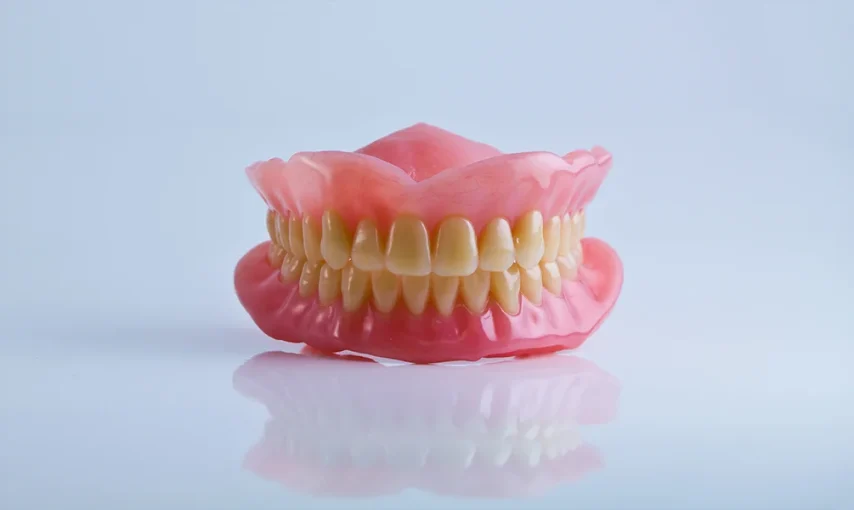
For many individuals wearing dentures in Chicago, comfort and stability are essential for speaking, chewing, and daily confidence. However, it is common for dentures to feel loose months or years after they are first fitted. This change does not necessarily indicate a problem with the denture itself. In most cases, it reflects normal anatomical remodeling in the mouth and jaw over time.

Understanding why dentures shift helps patients recognize when professional adjustments or relining may be needed to maintain proper fit and function.

Natural Bone Changes After Tooth Loss

One of the primary reasons dentures become loose is gradual bone resorption. After teeth are removed, the jawbone no longer receives stimulation from tooth roots. Without that stimulation, bone tissue slowly shrinks.

This gradual bone shrinkage alters the contour of the gums and the ridge that supports the denture base. Even well-made complete dentures can lose their snug fit as the foundation beneath them remodels.

Bone resorption occurs most rapidly during the first year after tooth extraction and then continues gradually thereafter. Because dentures rest directly on gum tissue, even subtle structural shifts can affect stability.

Gum Tissue Shrinkage and Remodeling

Beyond bone changes, soft tissue in the mouth can also remodel. As gums heal and adapt after extractions, their contour may shift slightly. Weight loss, age-related variations, and overall health can also influence soft tissue thickness.

When gum tissue thins or reshapes, dentures may no longer sit evenly against the surface. This can create small gaps that allow movement during speech or chewing.

Patients often describe a sensation of slipping, clicking, or food getting trapped beneath the denture base when tissue adaptation occurs.

Wear and Tear on Denture Materials

Dentures are durable, but they are not permanent. Over time, normal use can lead to material wear. The acrylic base may thin slightly, and artificial teeth may flatten from chewing forces.

As denture teeth wear down, the way the upper and lower arches meet can shift. This alteration in bite alignment may contribute to instability or discomfort.

Periodic evaluations by a dentist in Chicago allow professionals to assess wear patterns and determine whether adjustments, relining, or replacement are necessary.

Changes in Jaw Alignment

Jaw relationships can shift gradually as bone levels remodel. When the upper and lower dentures no longer align, chewing forces may become uneven.

Uneven pressure can cause rocking or tipping during meals. In a few cases, this instability can lead to sore spots or irritation.

Proper alignment is especially important for individuals wearing both upper and lower prosthetics. Balanced occlusion helps distribute forces evenly across the denture base.

Adhesive Dependency and Decreased Retention

Some individuals begin using denture adhesive when minor looseness develops. While adhesives can improve short-term retention, relying on them regularly may mask the need for professional adjustment.

If dentures require increasing amounts of adhesive to remain stable, it may indicate that relining or rebasing is necessary.

For those exploring partial & full dentures near me, understanding long-term maintenance needs is just as important as selecting the appropriate prosthetic.

The Role of Relining and Rebasing

Relining includes adding new material to the inner surface of the denture to improve contact with the gums. This process helps restore a secure fit without replacing the entire prosthetic.

Rebasing replaces the acrylic base while keeping the existing denture teeth. Both options may extend the life of the appliance and improve comfort.

Relining is often recommended every few years, depending on bone and tissue remodeling. Regular monitoring helps determine the appropriate timing.

Signs Your Dentures May Need Adjustment

Common signs of loosening include:

  • Clicking while speaking
  • Difficulty chewing certain foods
  • Soreness or irritation
  • Dentures lifting during conversation
  • Frequent need for adhesive

Ignoring these signs can lead to inflammation, ulcers, or uneven pressure on the jawbone.

Prompt evaluation helps prevent minor concerns from becoming more complex.

The Importance of Routine Dental Visits

Even without natural teeth, regular dental checkups remain essential. Dentists assess oral tissue health, screen for abnormalities, and monitor the condition of the prosthetic.

At Family Dental Care – Chicago, ongoing evaluations help ensure dentures continue to fit appropriately as oral structures adapt over time. Professional oversight helps maintain comfort and reduces the risk of long-term complications.

Routine visits also allow for quick detection of pressure points or wear that might otherwise go unnoticed.

Preventing Future Looseness

Although bone remodeling is unavoidable after tooth loss, certain habits can help preserve denture stability:

  • Attend scheduled follow-up appointments
  • Maintain proper denture hygiene
  • Remove dentures at night unless advised otherwise
  • Avoid using damaged or ill-fitting appliances
  • Seek professional adjustment promptly

In some cases, dental implants may be discussed as a way to provide additional support for dentures. Implant-supported options help stimulate bone and reduce long-term shrinkage.

When to Consider Replacement

Dentures typically last between five and ten years, depending on wear and structural remodeling. If relining no longer restores proper fit or if significant structural wear is present, replacement may be recommended.

Modern fabrication techniques provide improved precision and comfort compared to older models.

Addressing looseness early often prevents discomfort and helps preserve oral tissue health.

Final Thoughts

Dentures feeling loose over time is a common and expected experience due to bone remodeling, soft tissue adaptation, and material wear. While minor movement may occur gradually, increasing instability should not be ignored.

Professional adjustments, relining, or replacement can restore stability and comfort. With regular evaluations and proper maintenance, dentures can continue to function effectively and support daily confidence for years to come.

Previous Blog Post

What Makes Same-Day Crowns Different From Traditional Crowns

When a tooth becomes cracked, severely decayed, or weakened after root canal therapy, timely restoration is essential to preserve its structure. Many patients exploring same-day crowns in Crestwood want to understand how this modern option compares to traditional crowns fabricated in a dental laboratory. While both serve the same purpose, the process, materials, and timeline…

Read More

May 01, 2026

How Stress Impacts Oral Health

Stress is often connected with headaches, fatigue, and difficulty sleeping, but many people do not realize how strongly it can affect oral health. Emotional strain can influence habits, immune response, and muscle tension, all of which play a part in the condition of your teeth and gums. Over time, unmanaged stress may contribute to dental discomfort, jaw pain, and even long-term structural damage.

Understanding the link between stress and oral well-being helps patients recognize early warning signs and adopt habits that support long-term dental stability.

Teeth Grinding and Jaw Clenching

One of the most common stress-related dental concerns is bruxism, or unconscious grinding and clenching of the teeth. Many people grind their teeth during sleep or while concentrating intensely during the day.

Ongoing jaw clenching may result in:

  • Jaw soreness
  • Worn or flattened enamel
  • Increased tooth sensitivity
  • Cracked teeth
  • Morning headaches

Chronic muscle tension in the jaw can also contribute to facial pain and discomfort that may mimic sinus pressure. In some cases, individuals pursuing Headache & Migraine Treatment later discover that underlying jaw tension is contributing to their discomfort.

A properly fitted nightguard may reduce pressure on the teeth and provide protection from excessive wear.

Stress and Gum Health

Stress impacts more than muscle activity. It can also alter immune function. When the body is under prolonged strain, the immune response may weaken, making it harder to fight off bacterial infections in the gums.

This can elevate the likelihood of:

  • Gingivitis
  • Bleeding gums
  • Periodontal inflammation
  • Delayed healing after procedures

Elevated cortisol levels may intensify inflammatory responses, potentially aggravating underlying gum disease. Maintaining consistent oral hygiene during stressful periods becomes especially important.

Dry Mouth and Increased Cavity Risk

Stress may also reduce saliva production. Some people experience dry mouth as a result of anxiety or medications prescribed for stress management. Saliva plays a crucial part in neutralizing acids and washing away food particles.

When saliva levels drop:

  • Bacteria multiply more easily
  • Acid remains on enamel longer
  • Risk of decay increases

Frequent hydration, limiting sugary snacks, and discussing medication side effects with your provider can help reduce cavity risk associated with dry mouth.

Canker Sores and Oral Sensitivity

Heightened psychological stress can trigger or worsen canker sores in some individuals. These small, painful ulcers often appear during periods of increased emotional pressure.

While they typically resolve on their own, recurring sores may signal that the immune system is under strain. Gentle oral care and avoiding spicy or acidic foods can reduce irritation during healing.

Jaw Joint Disorders and Facial Pain

Chronic clenching places strain on the temporomandibular joint (TMJ). Over time, this may contribute to clicking sounds, jaw locking, or difficulty chewing.

Patients sometimes report radiating discomfort that extends toward the temples or neck. Some individuals searching for Headache & Migraine Treatment may later discover that temporomandibular dysfunction is contributing to their symptoms.

A comprehensive dental evaluation can determine whether jaw misalignment or muscle tension contributes to these symptoms.

Stress-Related Behavioral Changes

Stress can also influence daily habits. People under pressure may:

  • Skip brushing or flossing
  • Consume more sugary or acidic beverages
  • Increase caffeine intake
  • Smoke or use tobacco more frequently

These behavioral changes elevate the likelihood of decay and gum disease. Routine checkups help identify concerns before they become more serious.

If advanced dental conditions develop due to neglect or trauma, referral to an oral surgeon may be necessary for corrective procedures.

The Role of Preventive Care

Preventive dental visits play an important role in identifying stress-related damage early. Regular cleanings and examinations allow dental professionals to monitor enamel wear, gum inflammation, and bite alignment.

Patients often search for a dental clinic near calumet city when discomfort begins, but maintaining consistent appointments before symptoms appear supports earlier detection and reduces the risk of advanced dental damage.

Professional evaluations may include:

  • Bite assessment
  • Enamel wear analysis
  • Gum health monitoring
  • Screening for jaw dysfunction

Early intervention can prevent minor stress-related issues from developing into more complex conditions.

Practical Steps to Protect Your Oral Health During Stress

Managing stress effectively benefits both overall wellness and oral health. Consider these strategies:

  1. Practice relaxation techniques which include deep breathing or meditation.
  2. Use a nightguard if grinding is suspected.
  3. Maintain consistent brushing and flossing habits.
  4. Stay hydrated to reduce dry mouth.
  5. Schedule regular dental evaluations.

Addressing emotional well-being alongside oral hygiene supports a more integrated approach to overall health.

When to Seek Professional Guidance

If you experience persistent jaw pain, frequent headaches, unexplained tooth sensitivity, or gum bleeding, professional evaluation is recommended. Early diagnosis helps identify whether symptoms stem from stress-related habits or other underlying dental concerns.

At Family Dental Care – Calumet City, patient education focuses on identifying contributing factors and creating individualized care plans that support long-term oral stability. Addressing both mechanical strain and preventive care helps reduce the risk of future complications.

Final Thoughts

Stress affects more than mood and sleep. It can influence muscle tension, immune response, saliva production, and daily habits that directly impact oral health. Identifying signs of grinding, gum inflammation, and dry mouth allows patients to respond promptly.

By maintaining preventive care and managing stress proactively, you can reduce the likelihood of long-term dental complications. A balanced approach that supports both mental wellness and oral hygiene contributes to a healthier, more comfortable smile over time.

Previous Blog Post

The Complete Guide to Managing Loose Dentures Comfortably

For many individuals wearing dentures in Chicago, comfort and stability are essential for speaking, chewing, and daily confidence. However, it is common for dentures to feel loose months or years after they are first fitted. This change does not necessarily indicate a problem with the denture itself. In most cases, it reflects normal anatomical remodeling…

Read More

Apr 26, 2026

What Causes Facial Swelling From a Tooth?

Facial swelling related to a dental infection requires prompt clinical evaluation. It often develops when bacteria from untreated decay, trauma, or gum disease extend into surrounding bone or soft tissue. Early assessment can limit the extent of tissue involvement.

How Dental Infections Lead to Swelling

Inside each tooth is a soft tissue chamber that contains nerves and blood vessels. When bacteria reach this inner pulp, infection can develop. As pressure builds within the confined space, inflammation extends toward the root tip.

Once bacteria extend beyond the root, nearby bone and soft tissue can become affected. The immune response increases blood flow and fluid buildup in the area, leading to visible swelling.

In some cases, pus may collect and form an abscess.

This localized pocket of infection can cause pain, tenderness, and facial enlargement on the affected side.

Common Causes Behind the Infection

Several conditions may lead to swelling:

  • Deep untreated cavities
  • Cracked or fractured teeth
  • Advanced gum disease
  • Failed dental restorations
  • Trauma to the tooth

As infection travels beyond the root into adjacent tissues, facial swelling may become more pronounced. A clinical examination by a Dentist in Oak Lawn, IL, helps determine the exact source.

When Swelling Becomes an Emergency

While some swelling develops gradually, specific symptoms warrant urgent evaluation. Increasing pain, difficulty swallowing, fever, or swelling in the eye or neck area can signal that the infection is advancing.

In these situations, emergency dental care is necessary. Delaying treatment can allow infection to spread into deeper areas of the face and, in rare cases, affect overall health.

Severe or worsening symptoms require immediate evaluation by an Emergency dentist near Oak Lawn.

How the Condition Is Diagnosed

Accurate diagnosis begins with a thorough clinical examination and imaging studies such as digital X-rays. These tools help identify the source of infection and assess bone involvement.

In rare situations where swelling does not follow a typical infection pattern, further evaluation may be needed. Oral diagnosis and biopsies may be performed if unusual tissue changes require laboratory testing to rule out other conditions.

Diagnosis focuses on identifying whether the swelling is caused by infection, cyst formation, trauma, or another pathology.

Treatment Options

Management is based on how far the infection has progressed and which structures are involved. Common approaches include:

  • Root canal therapy to remove infected pulp
  • Drainage of an abscess
  • Extraction of a non-restorable tooth
  • Antibiotic therapy when indicated

Prompt assessment may reduce the need for more extensive procedures.

Why Prompt Care Matters

Facial swelling caused by a dental issue can worsen without treatment. The inflammatory process may extend into adjacent tissues, making management more involved.

Addressing swelling early helps prevent further complications and reduces the risk of additional tissue damage.

At Family Dental Care, assessment focuses on identifying the source of infection and recommending appropriate care based on clinical findings. Examination results and individual risk factors guide treatment decisions.

Previous Blog Post

How Stress Impacts Oral Health

Stress is often connected with headaches, fatigue, and difficulty sleeping, but many people do not realize how strongly it can affect oral health. Emotional strain can influence habits, immune response, and muscle tension, all of which play a part in the condition of your teeth and gums. Over time, unmanaged stress may contribute to dental…

Read More

Apr 21, 2026

Why Bad Breath Does Not Go Away With Brushing

Brushing your teeth removes plaque from visible surfaces, but it does not always eliminate the reason for persistent odor. If bad breath returns shortly after brushing, bacteria may be present in areas that routine home care cannot fully reach.

Temporary odor after consuming strongly flavored foods is common and usually resolves with regular oral hygiene. Chronic halitosis, however, can point to an oral health concern that requires examination beyond routine brushing.

What Brushing Cannot Reach

Toothbrush bristles clean exposed enamel, but they do not remove bacteria that collect beneath the gumline. Plaque that gathers below the gums can harden into calculus, creating conditions where odor-producing bacteria multiply.

As gum tissue becomes inflamed and begins to separate from the tooth surface, small spaces form. These spaces trap debris and encourage the growth of anaerobic bacteria, which produce sulfur compounds that contribute to unpleasant breath.

When buildup extends below the gumline, Periodontal treatment may be required to clean these areas and thoroughly control inflammation.

The Connection Between Gum Health and Odor

Gum disease is a frequent cause of chronic bad breath. Early inflammation may present with bleeding or swelling. As the condition progresses, deeper pockets can develop around the teeth.

Low-oxygen conditions within these pockets encourage rapid bacterial growth. The byproducts released by these bacteria often create an odor that brushing alone cannot correct.

Routine Periodontal Gum Screenings help identify early changes in gum health. Detecting inflammation before it advances reduces the risk of tissue damage and persistent odor.

The Role of the Tongue

The tongue has a textured surface that can hold food particles and bacteria. Even with thorough brushing and flossing, microorganisms on the tongue may continue producing odor.

Daily tongue cleaning may help reduce the amount of odor-causing bacteria. If breath concerns persist despite consistent hygiene, the source may extend to other areas of the mouth.

Dry Mouth and Saliva Flow

Natural saliva production assists in removing residue and reducing acid levels on tooth surfaces, while reduced saliva flow, often referred to as dry mouth, allows bacteria to remain on oral tissues longer than normal.

Certain medications, medical conditions, and dehydration can decrease saliva production. Managing dry mouth and its contributing factors can enhance breath freshness.

If dryness persists, professional guidance is recommended to prevent additional complications.

Cavities and Hidden Infections

Dental decay, cracked restorations, or untreated infections can also contribute to persistent odor. Food particles and bacteria may accumulate in hard-to-clean areas at home.

A comprehensive examination by a Dentist in Munster, IL can identify structural concerns that may be contributing to halitosis. Treating decay or infection addresses the bacterial source rather than masking the symptom.

In some situations, targeted Bad Breath Treatment focuses on eliminating infection, reducing inflammation, and improving oral hygiene practices.

When to Schedule an Evaluation

If odor continues despite consistent brushing, flossing, and tongue cleaning, a clinical assessment is appropriate. A consultation with a Dentist near me in Munster can help assess concerns involving both dental structures and periodontal tissues.

Chronic halitosis typically requires a professional examination to identify contributing factors. Delaying care may allow gum disease or infection to progress.

Early diagnosis supports more conservative care and better long-term outcomes.

Conclusion

Bad breath that does not resolve with brushing often indicates bacteria beneath the gumline, gum inflammation, dry mouth, or untreated decay.

At Family Dental Care, evaluation begins with a careful examination of the teeth and gums. Treatment recommendations are based on clinical findings and individual risk factors. 

Managing the contributing condition supports healthier tissues and more stable breath quality over time.

Previous Blog Post

What Causes Facial Swelling From a Tooth?

Facial swelling related to a dental infection requires prompt clinical evaluation. It often develops when bacteria from untreated decay, trauma, or gum disease extend into surrounding bone or soft tissue. Early assessment can limit the extent of tissue involvement. How Dental Infections Lead to Swelling Inside each tooth is a soft tissue chamber that contains…

Read More

Apr 16, 2026

What Are the Early Signs of Oral Cancer?

Why Paying Attention to Early Changes Matters

Cancer in the oral cavity can involve the lips, tongue, cheek lining, floor of the mouth, or throat tissues. In its earliest stages, it may not cause severe pain or obvious symptoms. Because of this, small changes are sometimes overlooked.

Identifying the Early Signs of Oral Cancer allows for prompt clinical assessment and referral when appropriate. Although no specific outcome can be guaranteed, timely recognition provides access to appropriate evaluation and next steps.

Common Early Symptoms

Minor tissue irregularities in the mouth are often among the first indicators of oral cancer. These changes frequently remain instead of resolving on their own.

Common warning signs include:

  • A sore that does not heal within two weeks
  • Red or white patches inside the mouth
  • A lump, thickened area, or rough spot
  • Unexplained bleeding
  • Persistent pain or tenderness
  • Difficulty chewing or swallowing
  • Numbness in the tongue or lips

Any oral lesion that does not improve within two weeks warrants evaluation by a dental professional. While many oral findings are benign, ongoing abnormalities require assessment to rule out serious conditions.

Symptoms That May Be Overlooked

In some cases, patients notice ongoing throat discomfort, changes in voice quality, or an unexplained sensation in the throat. Loosening teeth without obvious gum disease or dental trauma can also raise concern.

These symptoms can resemble common dental or throat conditions. A clinical examination is necessary to determine the underlying cause.

The Importance of Routine Screenings

Preventive examination is particularly important for individuals with established risk factors. During a screening, the provider visually inspects the oral tissues and palpates the mouth and neck to detect abnormalities.

Patients seeking Oral Cancer Screenings near Evergreen Park can receive evaluation even if no symptoms are present. Screening is especially important for individuals with known risk factors.

Patients visiting a Dentist in Evergreen Park, IL, should expect periodic screenings as part of preventive care, especially if they use tobacco, consume alcohol heavily, or have a history of human papillomavirus infection.

Risk Factors to Consider

Several factors increase the likelihood of developing oral cancer:

  • Tobacco use, including cigarettes and smokeless tobacco
  • Heavy alcohol consumption
  • HPV infection
  • Prolonged sun exposure to the lips
  • A previous history of oral cancer

Patients at increased risk should maintain consistent Oral Cancer Screenings and communicate any unexplained tissue abnormalities.

When to Seek Evaluation

If you notice a sore that does not heal, unexplained swelling, changes in your voice, or difficulty swallowing, schedule an evaluation without delay. Delaying care can postpone necessary diagnostic steps and treatment planning.

A thorough examination helps determine whether additional testing or referral to a specialist is appropriate. Not every abnormality is cancerous, but persistent or unexplained symptoms should not be ignored.

Final Thoughts

The Early Signs of Oral Cancer are often subtle and may not cause pain at first. Routine dental care and vigilance for tissue irregularities improve the likelihood of timely detection.

If you have concerns about unusual tissue changes or ongoing symptoms, a professional evaluation can provide clarity and guidance. For preventive care and routine screenings, patients may schedule an appointment with Family Dental Care.

Previous Blog Post

Why Bad Breath Does Not Go Away With Brushing

Brushing your teeth removes plaque from visible surfaces, but it does not always eliminate the reason for persistent odor. If bad breath returns shortly after brushing, bacteria may be present in areas that routine home care cannot fully reach. Temporary odor after consuming strongly flavored foods is common and usually resolves with regular oral hygiene….

Read More

Apr 11, 2026

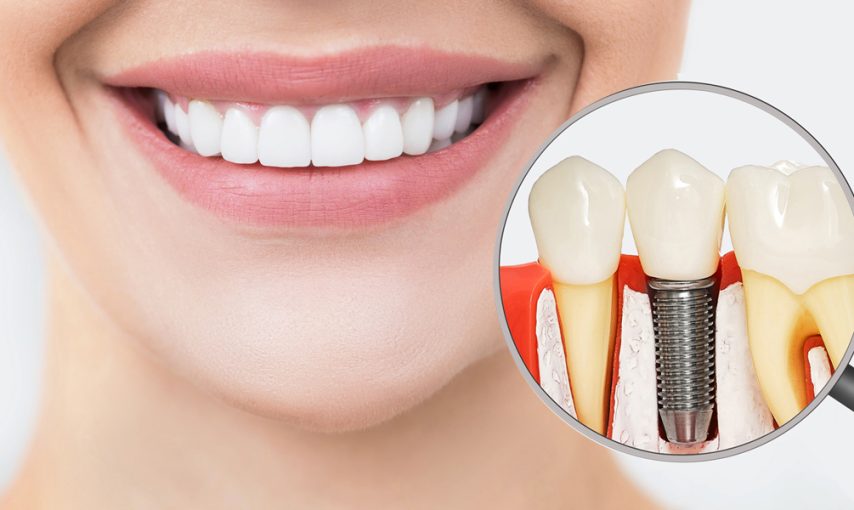
How Dental Implants Restore Chewing Ability and Bone Loss

Understanding What Happens After Tooth Loss

Losing a tooth affects both appearance and overall oral function. Each tooth helps distribute biting forces evenly across the jaw. If a tooth is absent, adjacent teeth may shift, and the remaining teeth can absorb excessive biting pressure.

Changes also occur within the jawbone after a tooth is lost. Jaw tissue depends on functional pressure from tooth roots to preserve its density. Without root pressure, the jaw gradually loses structural mass. Over time, this can reduce chewing efficiency and affect overall oral stability.

Many patients researching how dental implants cure chewing problems report reduced bite strength or discomfort during meals. Implants do not treat an underlying disease; they replace missing tooth structure to restore function so chewing forces can be distributed more evenly again.

How Dental Implant Treatment Restores Function

Dental Implant treatment replaces both the visible crown and the underlying root. During healing, the implant integrates with the surrounding bone through a biological process known as osseointegration.

Once integration is complete, a custom crown is attached. Because the implant is anchored in bone, it allows biting forces to be transmitted directly to the jaw. This support improves stability compared to removable dentures and reduces stress on neighboring teeth.

Patients considering Restorative dentistry near Crestwood often choose implants because they provide fixed support rather than relying on adjacent teeth or soft tissue. By replacing lost roots and crowns, implants restore stable chewing mechanics.

The Role of Implants in Bone Preservation

Structural reduction begins soon after a tooth is extracted. Without root stimulation, the surrounding area gradually decreases in volume. This process can affect facial contours and compromise the stability of adjacent teeth.

Dental implants help slow this process by transmitting functional forces into the jaw. This functional pressure supports structural stability in the treated region. While implants cannot rebuild significant volume that has already been lost, they can help retain existing support.

Before surgery, imaging is used to assess available jaw support. A Dentist in Crestwood may recommend bone grafting if the existing structure is insufficient to support the implant safely.

Who May Be a Candidate

Implant placement is not appropriate for all patients without prior evaluation. Candidacy depends on bone volume, gum health, and overall medical condition.

Ideal candidates generally:

  • Have adequate jaw support
  • Maintain healthy periodontal tissue
  • Have controlled systemic health conditions
  • Practice consistent oral hygiene

Patients considering restorative treatment options near Crestwood should complete a comprehensive diagnostic evaluation before choosing implant therapy. Medical history, radiographic imaging, and periodontal assessment are essential to determine suitability.

Long-Term Functional Stability

When properly maintained, implants can provide stable chewing support. They limit the drifting of surrounding teeth and help maintain stable jaw positioning.

Patients consulting a Dentist in Crestwood often pursue implants to improve bite stability during meals. Ongoing oral hygiene and routine professional examinations remain essential for maintaining healthy tissue around the implant.

Final Considerations

Implants replace absent tooth structures and reestablish efficient distribution of biting forces. They also assist in maintaining structural volume by replacing root function.

Careful diagnostic evaluation is essential to decide if implant treatment aligns with your oral health needs. A personalized consultation allows for detailed treatment planning based on individual clinical findings.

Previous Blog Post

What Are the Early Signs of Oral Cancer?

Why Paying Attention to Early Changes Matters Cancer in the oral cavity can involve the lips, tongue, cheek lining, floor of the mouth, or throat tissues. In its earliest stages, it may not cause severe pain or obvious symptoms. Because of this, small changes are sometimes overlooked. Identifying the Early Signs of Oral Cancer allows…

Read More