Author: Familydentalcare_aDMeeN

Affected by Common Orthodontic Issues
Nov 15, 2021

Affected by Common Orthodontic Issues: Consider Invisalign for Correcting the Problems

Many people are affected by orthodontic problems leaving them with crooked teeth positioned incorrectly. In addition, people not receiving orthodontic treatments during childhood with traditional metal brackets and wires continue to face challenges when maintaining dental hygiene and regularly schedule dental visits for tooth decay and cavities treatments. Unfortunately, people think every orthodontic problem is similar without getting the issue bothering them evaluated by dentists.

Adults do not prefer metal brackets and wires in their mouths because it creates an ungainly appearance, and the braces must remain in place for at least three years or more. Fortunately, if people consider visiting dentist 60805 to evaluate their teeth, the professional will likely surprise them, providing an alternative to traditional orthodontic braces.

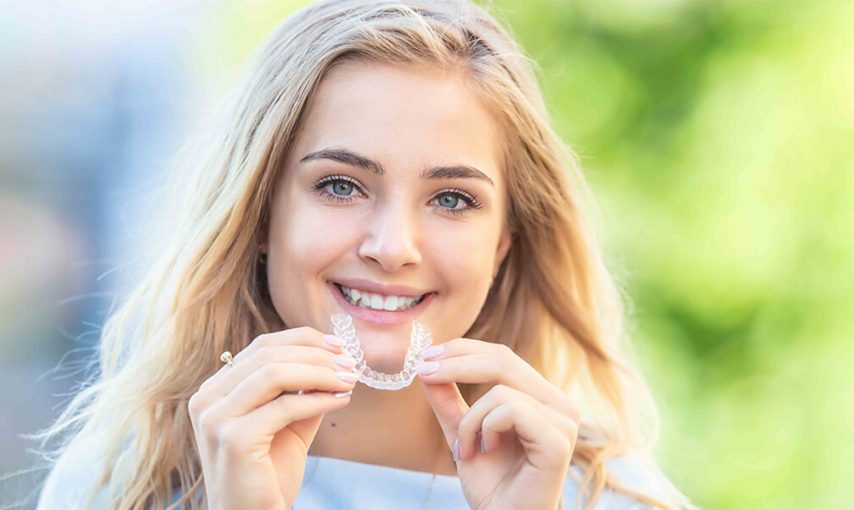
Conventional orthodontic braces were indeed the optimal solution for straightening teeth and still retain their credibility. However, orthodontic treatments dramatically changed in the late 90s when Invisalign introduced a revolutionary clear aligners treatment in the market for candidates between 14 and 40. The clear aligners treatment is available from Invisalign through their certified provider, the dentist in 60805. Therefore instead of expressing reluctance to receive traditional orthodontic treatments, it helps if people visit this dentist to determine whether they qualify for Invisalign treatment.

What Are the Criteria to Qualify for Invisalign Treatment?

Most people think crooked teeth are merely crooked teeth and nothing more. Unfortunately, most don’t realize the severity of the condition affecting them determines whether the problem with their teeth is best corrected using traditional braces, clear aligners, or needs surgery. The optimal professional to assess the severity of the condition is an orthodontist or dentist experienced in these matters.

Not every orthodontic issue is severe. Many people are affected by mild to moderate conditions leaving them with overbites, underbites, crossbites, open bites, gaps in their teeth, crooked teeth, and crowded teeth. These are people who qualify for the clear aligners treatment delivered by Invisalign. Unfortunately, people with severe afflictions must rely on orthodontic treatments or may even require surgery to comprehensively correct the problem.

What Happens When People Contact the Invisalign Provider?

People contacting the Invisalign provider will observe that the professional assesses their suitability for the treatment, allowing them to ask questions on their minds. After the assessment, if found suitable, the professional captures images of people’s teeth using a 3D intraoral scanner and allows people to view the changes they can expect with Invisalign treatment. A few weeks later, people receive their clear aligners they must begin to wear over their teeth right away. The clear aligners people receive are for wearing over the teeth for 2 to 3 weeks. However, the treatment doesn’t end within a month and requires at least 12 to 18 months. Invisalign delivers a fresh batch of clear aligners every three weeks when people must replace the existing set on their teeth with a new one.

What Happens after People Begin Treatment with Clear Aligners?

Treatment with clear aligners has become immensely popular globally, especially among adults. The clear and removable alternative to conventional braces is a treatment favored by many adults to treat mild to moderate imperfections with their teeth.

When people begin treatment with Invisalign clear aligners, they receive instructions from the provider to retain the aligners over their teeth for at least 20 to 22 hours every day. The removable aligners are best removed for eating and maintaining excellent dental hygiene. However, the braces must return to people’s teeth immediately after. Compromising the timeline, the aligners must remain on the teeth will delay treatment results requiring more investments from people for additional aligners than initially planned.

Invisalign aligners are virtually invisible, ensuring no one notices people are wearing them over their teeth. In addition, the treatment with clear aligners allows people to continue enjoying the foods and beverages they love and to maintain acceptable dental hygiene practices. So long as people follow the dentist’s instructions, they can expect credible results within the treatment time specified during their initial consultation.

Clear aligners do not have any wires or brackets and are comfortably removable. However, people must visit the Invisalign provider every six to eight weeks to assess their progress and to collect their new batch of aligners. It indicates monthly visits to orthodontists are eliminated so is the discomfort associated with conventional braces.

After completing their treatment, people are recommended to wear removable retainers to ensure their teeth don’t revert to their earlier positions to leave people with crooked teeth all over again. The Invisalign provider determines how long people must wear the retainers to maintain the new appearance of their teeth appearing straighter and allowing people to smile without fear.

Previous Blog Post

Dental Sealants a CostEffective Measure to Prevent Cavities on Teeth

Dental Sealants a Cost-Effective Measure to Prevent Cavities on Teeth

The optimal remedy to prevent cavities on teeth is brushing and flossing, preventing snacking on sugary and starchy foods and beverages, and visiting dentists for twice-yearly exams and cleanings. Unfortunately, the bacteria in your mouth are more resilient and discover new techniques to penetrate your tooth enamel leaving behind permanent damage in the form of…

Read More

Natural Looking Porcelain Veneers Excellent Façades for Your Damaged Teeth
Nov 09, 2021

Natural Looking Porcelain Veneers Excellent Façades for Your Damaged Teeth

Do you have worn tooth enamel that has dulled naturally over time because of habits like drinking coffee, smoking, or using certain medications? Your teeth may have worn due to age and even developed chips or cracks to give them an uneven appearance. Your worn or uneven teeth may prevent you from smiling and make you wonder whether you can ever restore your teeth to their original appearance again.

Fortunately, you can because natural-looking porcelain veneers are excellent façades to hide your damaged and worn teeth customized for your mouth and bonded to your damaged tooth surfaces. Veneers fall into the category of cosmetic dentistry. However, they also have protective qualities helping you eliminate the need for expensive treatments while providing an enhanced smile appearance.

Are You a Candidate for Porcelain Veneers?

Your dental imperfections by themselves don’t make you a candidate for porcelain veneers. To determine whether you qualify for the procedure, you must visit dentist in 60617 to evaluate your oral health and teeth and discuss all available treatment options to restore them. In addition, if you are eligible for porcelain veneers, you must undergo an irreversible tooth preparation process. Therefore you must discuss whether these veneers are your best option and review the treatment details to satisfy your goal.

During your consultation, you actively participate in the smile designing process. The discussion with your dentist will help you share your preferences for the shape, length, width, and color of the placements and the changes in appearance you want the dentist to create. You must make the dentist understand your objectives of undergoing the treatment during your initial consultation.

What to Expect During the Veneer Procedure?

Expect the porcelain veneer procedure to be completed in two or three visits over the course of six weeks. The visits to the dentist are comprehensive and will require several hours of examination and tooth preparation. The tooth preparation procedure is uncomfortable and will likely cause you pain. However, dental offices have amenities like local anesthesia, sedation, audiovisual distractions besides other amenities to help you remain relaxed during the preparation.

The porcelain veneer procedure proceeds in several steps. Firstly the dentist administers local anesthesia to make you comfortable during the tooth preparation process. The preparation is required to accommodate the surface you need on the tooth. Your natural tooth undergoes the preparation by reshaping it with tiny handheld instruments removing enamel from the tops and sides besides some dentin. As you prefer porcelain veneers, the dentist impressions your prepared tooth for the dental laboratory to custom create your façades. You receive temporary veneers over the prepared tooth as protection until the dental laboratory returns your permanent surfaces.

You revisit the dentist, scheduling another appointment after the dental lab returns your permanent porcelain veneers. During the second appointment, the dentist begins the procedure by giving you local anesthesia and removing the temporary mask. The new surfaces are checked for color and fit before they are permanently cemented to the targeted tooth to improve its appearance and your smile.

Recovering from the Porcelain Veneer Process

Porcelain veneers are incredibly durable and will remain in your mouth for nearly two decades before needing replacements. However, you must maintain excellent oral hygiene and visit your dentist for regular exams and cleanings to maintain the health of your mouth and the longevity of the placements.

After-care is essential following veneer placements. Porcelain veneers are prone to chipping and fracturing. However, repairing them is impossible, and your dentist advises you on the costs and time associated with replacing your damaged restorations.

You must reduce the risk of damaging the porcelain veneers by avoiding biting or chewing complex objects like nuts, shells, or bones and preventing using your teeth to open or tear packages. In addition, your dentist might advise you to avoid certain detrimental foods that can create damages.

You can continue maintaining your dental hygiene, as usual, brushing and flossing but ensuring you use a non-abrasive toothpaste. Porcelain veneers are stain-resistant. Therefore discoloring them from foods or beverages is significantly reduced. However, it helps if you brush after drinking wine, coffee, tea, or sodas.

Taking Care of Your New Smile

You Must take care not to damage your porcelain veneers because they are thin and are prone to breakages. Your dentist advises you against having certain foods like carrots and recommends you wear a protective night guard while shipping if you are affected by bruxism. Follow your dentist’s instructions diligently to have the restorations on your teeth for nearly two decades or more.

Previous Blog Post

Affected by Common Orthodontic Issues

Affected by Common Orthodontic Issues: Consider Invisalign for Correcting the Problems

Many people are affected by orthodontic problems leaving them with crooked teeth positioned incorrectly. In addition, people not receiving orthodontic treatments during childhood with traditional metal brackets and wires continue to face challenges when maintaining dental hygiene and regularly schedule dental visits for tooth decay and cavities treatments. Unfortunately, people think every orthodontic problem is…

Read More

Give Yourself the Hollywood Smile You Desire with Help from Porcelain Veneers
Oct 26, 2021

Give Yourself the Hollywood Smile You Desire with Help from Porcelain Veneers

Are you affected by worn tooth enamel, uneven tooth alignment, discoloration, or chips and cracks on your teeth? Do you desire the Hollywood smile but are trying to understand how you can have it? Why not consider seeking help from porcelain veneers helpful for giving you beautifully aligned and shapely teeth in a couple of visits to your dentist’s office?

If you are convinced with our description, let us inform you natural-looking veneers are incredibly popular with many people, including celebrities who have all sorts of dental imperfections concealed with these ultra-thin shells of porcelain over the front surfaces of their teeth. You, too, can have them correct your dental deficiencies and join thousands of people who have beautiful teeth and a pleasing smile by visiting your dentist to evaluate whether you are suitable for dental veneers.

What Dental Imperfections Can Porcelain Veneers Resolve?

Regardless of the causes of your imperfect teeth, porcelain veneers can solve all or most of your cosmetic dental concerns. The most common reasons why people are opting for dental veneers include:

  • Wear and Tear: Your teeth begin wearing down with age making them more vulnerable to developing chips, cracks, and an uneven appearance. Porcelain veneers help restore the natural occurrence of healthy and youthful teeth.
  • Worn Enamel: Your tooth enamel becomes worn or dull naturally over time consuming soft drinks, coffee, tea, or using certain medications. Genetic predisposition can also result in the wearing of the enamel. Porcelain veneers are excellent for correcting smiles affected by worn enamel.
  • Genetics: Some people have abnormal spacing between their teeth since birth, widening with aging.
  • Uneven Teeth: Regular grinding and clenching your teeth results in wear and tear, leading to malocclusion besides cosmetic smile problems. Porcelain veneers can help correct the issue by concealing the uneven teeth making them look neat and beautiful.
  • Discoloration: Tooth discoloration of the stubborn variety unresponsive to whitening treatments is comfortably treated with porcelain veneers giving you a simple solution for the problem.

Are You a Candidate for Porcelain Veneers?

To determine your candidature for porcelain veneers, you must schedule a preliminary consultation with your dentist. At this time, you undergo an evaluation of your oral health and receive information on all treatments available to correct your dental imperfections. Your dentist will not rush you through the porcelain veneer process because the therapy involves tooth enamel removal past the dentin, an irreversible procedure. If you decide with your dentist porcelain veneers are the best option for you, the next step involves reviewing the treatment details besides preparing your teeth for the specific veneer procedure essential to make them look and fit correctly.

The porcelain veneer process is completed in a couple of visits spanning over three to four weeks. The visits to your dentist are comprehensive, requiring several hours of examination and preparation. You can request local anesthesia if you are uncomfortable with the veneer procedure.

After giving you local anesthesia, your dentist begins preparing the tooth or teeth by minimally reshaping it with help from handheld devices to accommodate the porcelain surfaces. If you have chosen porcelain veneers, your teeth and mouth impressions are taken to the dental laboratory to customize your porcelain surfaces.

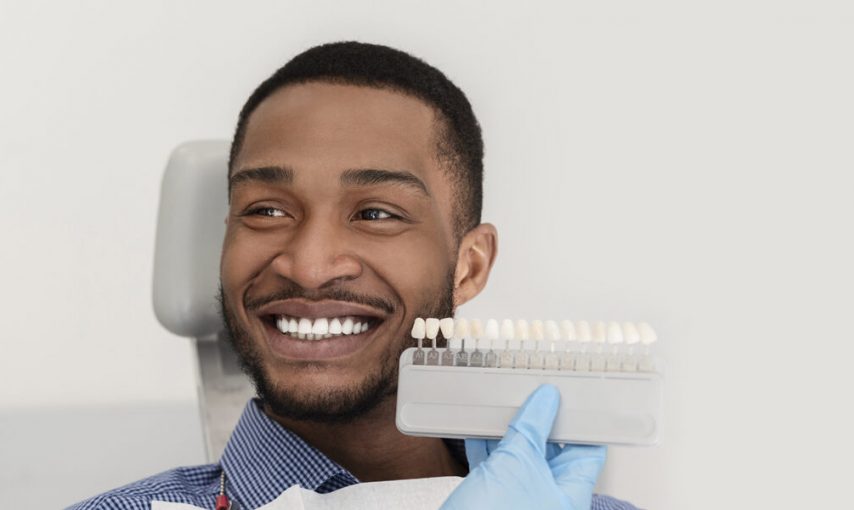
Advances in dentistry now allow many dentists to use CAD/CAM technology to fabricate veneers in the dental office. In such cases, you can have the surfaces over your teeth in one visit to the dentist. However, if your dentist doesn’t have the technology, you may have to wait for three to four weeks with temporary veneers over your prepared teeth until the dental laboratory returns your surfaces.

When you revisit the dentist for veneer placement, the process begins with temporary veneer removal and placement of your permanent surfaces. After cementing your permanent veneers, your dentist evaluates and adjusts them to ensure optimal fit and color.

Porcelain Veneer Recovery and After-Care

Porcelain veneers are incredibly durable, lasting for over 15 years before they require replacements. However, you must ensure you follow the veneers care instructions your dentist provides because chipped or broken porcelain veneers need replacements because they are irreparable. In addition, your dentist may advise you not to have certain foods or use your teeth for purposes other than biting or chewing.

You must brush and floss your teeth using nonabrasive toothpaste and get regular checkups and cleanings to ensure your dental health is in optimal shape. However, if you desire the Hollywood smile, there is no better option than considering porcelain veneers to hide your dental imperfections within a few weeks.

Previous Blog Post

Natural Looking Porcelain Veneers Excellent Façades for Your Damaged Teeth

Natural Looking Porcelain Veneers Excellent Façades for Your Damaged Teeth

Do you have worn tooth enamel that has dulled naturally over time because of habits like drinking coffee, smoking, or using certain medications? Your teeth may have worn due to age and even developed chips or cracks to give them an uneven appearance. Your worn or uneven teeth may prevent you from smiling and make…

Read More

Oct 21, 2021

Pain in the Temporomandibular Joint Managed Comfortably with TMJ/TMD Treatment

If you suffer from pain in the temporomandibular joint connecting your jawbone to your skull by acting as a sliding hinge, you confront a challenging problem difficult to determine even by doctors or dentists. You have two TMJ joints on both sides of your jaw. TMJ dysfunctions of the temporomandibular joint cause pain in the jaw joint and the muscles managing jaw movement.

The pain you experience results from various factors such as genetics, jaw injury, or arthritis. For example, if you frequently grind and clench your teeth, you may experience pain from TMJ disorders, although many people affected by bruxism never develop this problem.

TMJ disorders are temporary and relieved by self-managed care or nonsurgical treatments. Therefore, recommendations for surgery are usually the last resort after conservative methods have failed.

What Symptoms Can You Experience with TMJ Disorders?

The symptoms of TMJ pain vary and may include pain or tenderness in the jaw, pain in one or both the temporomandibular joints, difficulty chewing or pain, facial pain, locking of the jaw joint making it challenging for you when opening or closing your mouth, and aching pain in and around your ear.

TMJ disorders also generate clicking noises or grating sensations when opening your mouth for eating. However, if you don’t experience any limitation of movement with your jaw, you may not require treatment from a TMJ specialist.

When to Contact a Medical Professional for Treatment?

If you experience persistent pain or tenderness in your jaw, you must seek treatment from a TMJ specialist or the dentist near you. The professionals discuss the possible causes and treatments for the problem affecting you.

What Causes TMJ Disorders?

Your temporomandibular joint is a combination of a hinge action and sliding motions. Cartilage covers the bones interacting with the joint separated by a tiny shock-absorbing disk to keep your jaw movement smooth. You experience TMJ disorders when the shock-absorbing disk erodes or moves out of its correct alignment, the cartilage covering the joint incurs damages due to arthritis, or injuries to the joint are incurred by impacts or blows. Regrettably, the exact causes of TMJ dysfunctions aren’t clear.

What Are the Risk Factors Associated with TMJ Disorders?

Various factors increase the risk of developing TMJ disorders. For example, rheumatoid arthritis and osteoarthritis, jaw injury, long-term grinding or clenching of teeth, connective tissue diseases of some kinds cause problems affecting the temporomandibular joint.

Diagnosing the Causes of Your Discomfort

If you visit the dentist nearby inquiring about the causes of your discomfort, they listen to and feel your jaw asking you to open and close your mouth. They also observed the range of motion in your jaw passing around areas of the jaw to identify signs of pain or discomfort.

Further tests become necessary if the dentist suspects an issue. In such cases, they may prescribe dental x-rays to examine your teeth and jaw, CT scans to view explicit images of the bones affected in the joint, and MRI scans revealing problems with the joint’s disk.

TMJ disorders are also diagnosed using TMJ arthroscopy by inserting a thin tube with a camera to view the area for help in determining a diagnosis.

TMJ/TMD Treatment

Sometimes you find relief from TMJ disorders without any treatment. However, if your symptoms persist, the dentist recommends various treatment options combining more than one simultaneously.

Besides other nonsurgical treatments, you can receive help from over-the-counter pain relievers and anti-inflammatories. However, the dentist prescribes more potent pain relievers for a limited time is over-the-counter medicines don’t provide relief.

You may also find relief from tricyclic antidepressants and muscle relaxants in low doses helpful for pain relief and control bruxism and sleeplessness.

Dentists recommend oral splints or mouth guards as a remedy for TMJ disorders. You can find relief from jaw pain by wearing a soft or firm device inserted over your teeth. Although oral splints provide comfort, the reasons why these appliances prove beneficial aren’t understood.

Physical therapy to get over pain in the temporomandibular joint with exercises stretching and strengthening your jaw muscles, or applying moist heat and ice are also therapies used during TMJ/TMD treatment.

The dentist also recommends complementary treatment because alternative medical therapies help manage pain associated with TMJ disorders. For example, they may suggest acupuncture, relaxing techniques, and biofeedback using electronic devices to monitor the tightness in specific muscles to help you practice effective relaxation methods.

TMJ disorders are not life-threatening but undoubtedly lower your quality of life. Therefore seeking treatment from a dentist near you or a TMJ specialist is essential to find relief from the discomfort.

Previous Blog Post

Give Yourself the Hollywood Smile You Desire with Help from Porcelain Veneers

Give Yourself the Hollywood Smile You Desire with Help from Porcelain Veneers

Are you affected by worn tooth enamel, uneven tooth alignment, discoloration, or chips and cracks on your teeth? Do you desire the Hollywood smile but are trying to understand how you can have it? Why not consider seeking help from porcelain veneers helpful for giving you beautifully aligned and shapely teeth in a couple of…

Read More

Oct 16, 2021

What Are Mouth Guards and What Is Their Function?

Mouthguards are occlusal devices created to protect your teeth and gums. Customized mouthguards from the dental clinic near you fit and protect your teeth better than over-the-counter varieties. In addition, nightguards created by dentists help ease bruxism. Children and adults must wear mouthguards when involved in contact sports or activities like cycling.

As dental appliances, mouthguards protect your tongue, teeth, gums, and cheeks from injuries caused by teeth grinding or sporting activity. Mouthguards aren’t reserved exclusively for children because adults can also wear them. In reality, dentists recommend a mouth guard for adults or children affected by bruxism, involved in sporting activities like basketball, hockey, soccer, basketball, et cetera, where the risks of injuries to the face and mouth are high. Participating in noncontact sports or activities like ice skating, gymnastics, cycling also involves an increased risk of falling and injuring the mouth.

What Type of Mouth Guard Can You Have?

Two types of mouthguards are available for those involved in sporting activities to protect their teeth from trauma and a dental mouth guard created for patients affected by bruxism, TMJ disorders, sleep apnea, et cetera. Both types of appliances serve different purposes and also appear and feel different. There are many ways you can purchase mouthguards.

The different types of mouthguards include:

  • Customized Dental Mouth Guard: an Impression or mold of your teeth helps your dentist make a customized mouthguard specifically for your teeth and mouth. Customized mouthguards are expensive but provide the best fit and protection. A personalized mouth guard is created specifically for your needs, whether you want it for protection from trauma during athletic competitions or use at night if you grind your teeth. The dentist-provided customized mouthguard is of the highest quality and does its job best protecting your teeth and mouth.
  • Boil and Bite Mouthguard: Thermoplastic material helps make boil and bite mouth protectors you can shape at home to fit your teeth. First, you soften the mouthguard in hot water. Next, you put the softened mouthguard into your mouth using your fingers to press it onto your molars and front teeth. When you are comfortable with the fit, bite down on the mouthguard for approximately 20 seconds. Finally, you remove the device to run it on the cool water. You can repeat the process and reshape the mouthguard until you get the best fit.
  • Stock mouthguards: One size fits all is the concept that helps make stock mouth guards. These appliances are preformed and available ready to wear in supermarkets, drugstores, and online retailers. As stock mouthguards aren’t created explicitly for your teeth, they rarely fit correctly and are uncomfortable. You experience breathing difficulties using a stock mouthguard and are prone to injure yourself because these appliances offer the least protection.

Where Can You Purchase Mouthguards?

Boil and bite and stock mouthguards are available with drugstores, sports goods stores, and numerous online retailers. However, if you want a customized dental appliance, you must contact the dental clinic nearby to have one specifically designed for you.

It helps if you understand most mouthguards fit the upper teeth because they protrude more than the bottom teeth leaving them prone to injuries. If you have braces on your teeth, your dental provider recommends wearing a lower mouthguard as well.

Benefits of Wearing Mouthguards

Replacing or repairing missing or damaged teeth is expensive besides causing unnecessary pain. Wearing a mouthguard during sporting activities helps you to avoid chipped or lost teeth, nerve damage to a tooth, and soft tissue damage to the tongue, inside cheeks, lips, and gums.

Are Mouthguards Durable?

Your frequency of use of the dental appliance, besides the wear and tear, determines the lifespan of a customized mouthguard. However, you can expect the dental appliance to last for several years with proper care. Unfortunately, many people realize they need replacements faster. Treat your customized mouthguard like your natural teeth taking it to your dentist during routine checkups. Your dentist can examine the mouthguard for cracks or other signs indicating the need for a replacement.

Over-the-counter mouthguards are not as durable as the customized variety provided by dentists. As a result, you may need frequent replacements every few months. Furthermore, children and teenagers may need replacements faster as their teeth and mouth grow.

Mouthguards are teeth protectors from injuries when playing sports, cycling, or other activities. Dental mouth guards are helpful to protect against bruxism, sleep apnea, and sporting activity because they provide the best fit after being designed specifically for your mouth.

Previous Blog Post

Pain in the Temporomandibular Joint Managed Comfortably with TMJ/TMD Treatment

If you suffer from pain in the temporomandibular joint connecting your jawbone to your skull by acting as a sliding hinge, you confront a challenging problem difficult to determine even by doctors or dentists. You have two TMJ joints on both sides of your jaw. TMJ dysfunctions of the temporomandibular joint cause pain in the…

Read More

Oct 11, 2021

Pediatric Dentistry Benefits for Your Kid

Do you think your kid does not benefit if you take them to a pediatric dentist? If you realize dental care is a crucial part of your overall health and excellent dental care must begin early, you will reconsider your thinking and start taking your kids to do a pediatric dentistry specialist near you for routine dental care.


Developing excellent oral hygiene routines from an early age is incredibly essential to ensure beautiful and brilliant smiles later. The dentist office for kids provides gentle and child-focused dental care to children convincing parents who want their kids to have a pleasant experience at their dentist’s office, they are indeed the best around to treat children.


Good habits leading to glowing dental health develop from positive childhood experiences making it an excellent choice to choose a specialized pediatric dentistry clinic for your kid to take care of their unique dental needs.


What Are Pediatric Dentists?


Pediatric dentists are professionals focusing on providing specialized dental care to children and teenagers. Until they reach age 18, children and teenagers go through different cycles of growth and change. Pediatric dental practices dedicate themselves specifically to support young patient’s dental health.


Establishing good oral health practices and care rituals only is essential. Parents must select pediatric dentists over general dentists to instill solid oral health routines for their child’s future.


What Are Pediatric Dentistry Benefits?


As a child or teenager parent, finding a pediatric dentist both you and your child like and trust is an outstanding idea. That is where the dentist Calumet city can help both of you. Here are some pediatric dentistry benefits over general dentistry for your children.


Specialized Training


The Calumet city dentist has received specialized training working with young jaws and teeth general dentists have not received. The specialization enables pediatric dentists to provide safer, practical, and more comfortable solutions for any dental issues experienced by younger patients. In addition, as a parent, you can relax assured that your child’s pediatric dentist is looking after them and caring for their future adult smile.


Understanding of Children’s Developmental Changes and Growth


From infancy until age 18, children’s bodies undergo many changes. Concerning oral health, the entire jaw shifts and changes shape as the child reaches adulthood. The changes happen faster in younger patients making it essential to work with a pediatric dentist to provide your child the best care possible during their entire childhood and teenage years. Pediatric dentists are accustomed to the different steps of growth a child goes through on the way to adulthood. Therefore, they can help assure a wholesome smile at all stages of the process.


Calm And Happy Kids


Dental visits are stressful even for children, mainly because they don’t know what to expect during their appointments. Fortunately, pediatric dentists receive training to understand and acknowledge the concerns of their younger patients. Therefore pediatric dentists aim to ensure their patients are entirely comfortable during their appointments, indicating your kids are likely to have a calmer experience before, during, and after the meeting. As a result, your child will likely be less anxious when visiting the dentist for their next dental cleaning.


What Age Groups Do Pediatric Dentistry Professionals Work with?


Your child’s first dental appointment should be no later than their first birthday or age one. However, please do not consider it too early for your child to visit dentists because recent studies indicate that more preschoolers develop cavities and need early dental care. Instead, you must avoid waiting for your child’s first appointment by taking them to the Calumet city dentist to ensure your child maintains excellent oral health during their developmental stages and develops good oral hygiene habits lasting them throughout their lives.


Pediatric dentistry professionals manage children until age 18, after which a general dentist is better qualified to handle most of their dental issues. Teenagers also encounter different changes and have additional needs related to aesthetics and comfort. Taking your teenager to pediatric dentistry professionals helps ensure they receive dental care explicitly designed for their age and developmental stage.


Choosing The Appropriate Pediatric Dentistry Professional


The eventual decision rests on your shoulders on whether you want to take your child to a general dentist or pediatric dentistry professional. However, if you decide on visiting the Calumet city dentist, you deal with a professional who has invested in a child-friendly environment with appropriate dental tools and has the tactics to deal with misbehaving children, a familiar feature with most dentists without adequate education to treat younger patients. Therefore choosing an appropriate pediatric dentistry professional is just as important as selecting a children’s specialist to deal with your child’s oral health.

Previous Blog Post

What Are Mouth Guards and What Is Their Function?

Mouthguards are occlusal devices created to protect your teeth and gums. Customized mouthguards from the dental clinic near you fit and protect your teeth better than over-the-counter varieties. In addition, nightguards created by dentists help ease bruxism. Children and adults must wear mouthguards when involved in contact sports or activities like cycling. As dental appliances,…

Read More

Conveniently Change the Appearance of Your Teeth in One Day Getting Dental Bonding
Oct 01, 2021

Conveniently Change the Appearance of Your Teeth in One Day Getting Dental Bonding

Have you heard about cosmetic dentists repairing cracked and discolored teeth with dental crowns and veneers requiring extensive teeth preparation, multiple dental appointments, and waiting time with temporary restorations for 3 to 4 weeks before you can have your teeth restored? Do you have such dental flaws affecting you, making you hide your smile on special occasions? Have you even researched alternative methods to correct your dental imperfections quickly without wasting much time? If so, you may find help from the dentist in Crestwood providing teeth appearance enhancement treatments in a day.

You may think cosmetic treatments in a day are practically impossible because most require extensive preparation and customization in the dental laboratory before the treatment modality changes the appearance of your teeth. However, you will express surprise when informed dental cosmetic bonding is one cosmetic dentistry treatment that allows you to visit the dentist’s office for the improvements you need and walk out shortly flashing your pearly whites.

If you haven’t discovered this procedure, it is time for you to spend some time with this blog to learn how dental bonding changes the surface of your teeth conveniently in one visit to the dentist’s office.

What Is Dental Bonding?

Dental bonding is a cosmetic dental procedure to repair teeth impacted with minor chips, cracks, discoloration, tiny gaps between the teeth, or correct a tooth shorter than the rest if you desire all your teeth to have the same length.

The procedure of dental bonding is quick and without any downtime. Dental bonding merely requires 30 to 60 minutes per tooth and the treatment lasts for five to seven years with proper mouth-related habits and oral hygiene.

Besides correcting dental imperfections in one visit, dental bonding is affordable, costing $ 300-$ 600 per tooth requiring no anesthesia unless you also need teeth repair to fix cavities.

Why Consider Getting Your Teeth Bonded?

Dental bonding help fix minor defects or imperfections with a tooth or teeth. For example, many people are using dental bonding to restore decayed, discolored, and cracked teeth. As mentioned earlier, the bonding procedure is quick, and if you don’t need anesthesia, you can continue with your regular activities immediately after the process.

How to Determine Whether You Are Suitable for Dental Bonding?

A visit to the dentist in Crestwood is required to understand whether you are suitable for the dental bonding procedure. First, the dentist evaluates your teeth to determine whether you have severe tooth damage or decay, making you unsuitable for dental bonding. In such cases, the dentist offers you dental crowns or veneers. However, if you are free from any dental issue, you can proceed with the dental bonding treatment right there in the dentist’s office to get your teeth repaired.

The Dental Bonding Procedure

You will likely be surprised by the ease at which the dentist completes the dental bonding procedure. Before starting the process, the dentist selects a composite resin color matching the shade of your natural teeth from a shade chart. Next, the application of a gentle phosphoric acid allows the dentist to roughen the tooth requiring bonding. The phosphoric acid helps the composite resin material to adhere to your tooth on application.

A few minutes later, the dentist applies the composite resin to the targeted tooth over the phosphoric acid before molding and shaping the tooth and hardening the material with ultraviolet light. If required, the dentist further shapes the tooth after hardening the resin.

You can leave the dentist’s office with your dental flaws hidden from sight, flashing away your new smile soon after the dental appointment.

Dental Bonding After-Care

After you receive dental bonding for a tooth or multiple teeth and spend the money, you undoubtedly would want to maintain the life of the bonded tooth for as long as possible. Therefore, you may inquire with the dentist how you must care for this cosmetic dental procedure. However, if, for some reason, you failed to ask about the same, here are some tips you can use to ensure the bonded tooth provides you joy for nearly a decade.

Caring for your teeth appropriately helps extend the lifespan of bonded teeth. Some tips that go along to make dental bonding after-care easier are the following:

  • Brush twice daily and floss at least once.
  • Avoid hard food, candy, and biting fingernails.
  • Dental bonding is not stain resistant, and avoiding beverages like coffee, tea, and tobacco for 48 hours after getting your teeth bonded helps prevent stains.
  • Dental visits every six months are essential for cleanings.

Dental bonding is prone to chipping and cracking. Therefore, if you feel any sharp or rough edges after getting your teeth bonded, contact the Crestwood dentist for help.

Previous Blog Post

Pediatric Dentistry Benefits for Your Kid

Do you think your kid does not benefit if you take them to a pediatric dentist? If you realize dental care is a crucial part of your overall health and excellent dental care must begin early, you will reconsider your thinking and start taking your kids to do a pediatric dentistry specialist near you for…

Read More

Temporomandibular Joint Disorder Causes, Symptoms, and Treatments
Sep 03, 2021

Temporomandibular Joint Disorder: Causes, Symptoms, and Treatments

Temporomandibular joint acts as a sliding hinge that connects your jaw and skull. If you experience pain around the area, you might have a temporomandibular disorder.

The cause of the temporomandibular disorder is yet to be determined. Sometimes, genetics, injury, and arthritis might be the causes of the jaw disorder. Also, people who clench their jaws or grind their teeth might be at risk of developing a temporomandibular joint disorder.

Most of the time, pain associated with the jaw condition is temporary and manageable through less invasive procedures. If the jaw condition is severe, the dentist might recommend surgery. However, your dentist or oral surgeon will recommend surgery as the last resort if conservative measures fail.

Causes of TMJ Disorder

Parts of the bones that interact with the TMJ joints are covered by cartilage and separated by shock-absorber disks. The cartilage and shock-absorbing disks keep the movements in TMJ joints smooth. If you experience pain around the joints, below are some of the potential reasons:

  • The shock-absorber disk erodes and moves out of position
  • Joint damaged by impact
  • The joint cartilage is damaged as a result of arthritis

Some of the factors that might increase your risk of developing temporomandibular joint disorder include:

  • Rheumatoid and osteoarthritis
  • Chronic bruxism
  • Connective tissue disorders
  • Jaw injury

Symptoms

When you have a temporomandibular joint disorder, you might experience the following symptoms:

  • Pain when chewing
  • Tenderness on your jaw
  • Facial pain and aching around the ears
  • Locking at the joint, making it strenuous to open or close your mouth
  • Clicking sound or grating sensation when you open your mouth to chew

If you experience the above symptoms, you should consult your dentist for diagnosis and treatment. However, if you experience a clicking sound or grating sensation when chewing without pain, our dentist wouldn’t recommend temporomandibular joint disorder treatments.

Diagnosis and Treatment

When diagnosing TMJ disorder, our dentists will listen to your concerns and examine your jaw. During the examination, the dentist will feel and listen to your jaw when you open and close your mouth. The dentist will then observe the range of motion of your jaw and press the areas around the jaw to identify sites of discomfort.

The dentist might order further tests if they notice a problem. Below are some of the tests:

  • Dental x-rays
  • CT scan to provide detailed images of your jaw and teeth
  • MRI to identify issues around the disc and cartilage

Temporomandibular Joint Dysfunction Treatments

In some scenarios, the TMJ disorder might go away without treatments. However, you should consult your dentist to prevent the risk of further complications. At our clinic, you can get the following TMJ treatments:

Muscle Relaxants

The dentist will recommend using such drugs for some weeks to manage pain caused by muscle spasms. Jaw stretching exercises can also be helpful if you are experiencing pain due to muscle spasms.

Pain Relievers and Anti-Inflammatory Medications

To reduce pain and sensitivity, the dentist might prescribe some strong pain-relieving and anti-inflammatory medications. Anti-inflammatory medications can also help prevent swelling.

Oral Splints

People experiencing pain can wear small plastic appliances on their teeth. Such oral appliances offer pain relief. However, the benefits of such devices are not well understood.

Physical Therapy

Together with exercise to stretch and strengthen the jaw muscles, the dentist might recommend the use of ice, moist heat, and ultrasound. Also, biofeedback would help treat TMJ disorder.

Education

If you are at risk of developing TMJ disorder, the dentist will enlighten you on some of the factors that increase your chances of developing the condition and how to prevent it.

Some of the factors habits that might aggravate TMJ disorder include:

  • Jaw clenching
  • Teeth grinding
  • Biting fingernails
  • Leaning on your chin

For severe temporomandibular disorder, you might require complex treatments such as dental restorations, cortisone injections, flushing, and orthodontics. In rare cases, you might require surgery for TMJ cure. However, the dentist will recommend surgery if other treatments for TMJ disorder fail.

Where to Find Treatment for Temporomandibular Joint Disorders Near You

Are you experiencing TMJ symptoms and need treatments? You can visit us at Family Dental Care in Calumet City for diagnosis and treatment. Also, if you have symptoms similar to TMJ disorder but not experiencing pain, you can consult our dentist. The dentist will examine your jaw and teeth and develop a custom treatment plan.

Previous Blog Post

Conveniently Change the Appearance of Your Teeth in One Day Getting Dental Bonding

Conveniently Change the Appearance of Your Teeth in One Day Getting Dental Bonding

Have you heard about cosmetic dentists repairing cracked and discolored teeth with dental crowns and veneers requiring extensive teeth preparation, multiple dental appointments, and waiting time with temporary restorations for 3 to 4 weeks before you can have your teeth restored? Do you have such dental flaws affecting you, making you hide your smile on…

Read More