Author: Familydentalcare_aDMeeN

Root Canal
Dec 05, 2021

Root Canal: Myths and Facts

Root canals are a widely unpopular medical procedure. Because of the pain, time, and cost, many people are reluctant to have them done.

Just because this is an uncomfortable procedure does not mean that it is more painful than other treatments. Dentists have developed a way to make the pain less intense by using numbing agents.

The myths about root canal procedures are based on what some patients may experience with their particular dentist or general anesthesia. It is important to remember that most root canal patients do not need general anesthesia for this reason – it is only when there are complications that sedation may be used.

What Are Root Canals?

Root canals are a dental procedure used to excavate and clean the pulp of the tooth. The word canal refers to the long narrow channel in the tooth that houses the pulp.

Root canal therapy is done when the pulp is infected and causing pain. The primary purpose of endodontic treatment is to stop the spread of the infection and save the tooth.

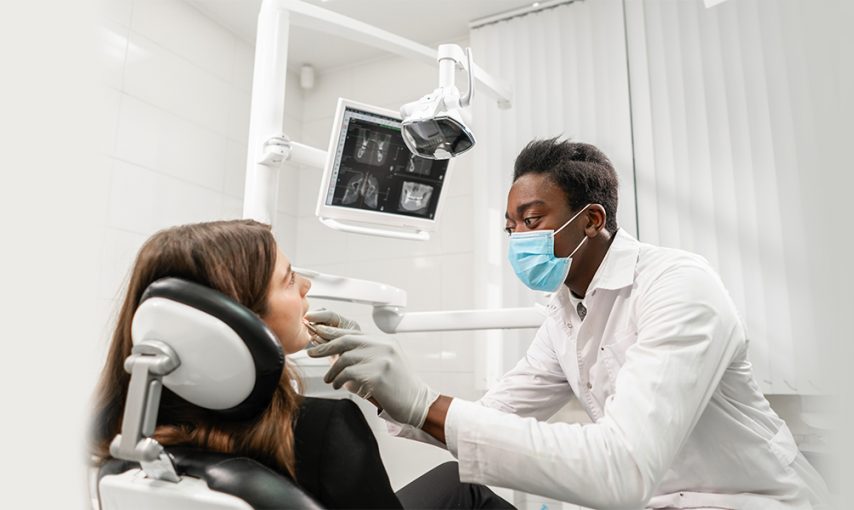
Root canal treatment starts with an examination and diagnosis of the condition of your teeth and gums. This typically involves checking for signs of decay, such as white spots on teeth or unusual abscesses. The root canal dentist will also look for signs like redness or swelling on your gums or skin around your mouth.

What Are the Myths of Root Canals?

Root canals are often associated with pain and anxiety. But the truth is, they are one of the most common dental procedures that dentists in Calumet City perform.

  • Myth #1: Root canal treatments are painful

It is difficult to say whether root canals cause more pain than other dental procedures. Some people might not feel any pain, while others might experience discomfort during the procedure. Most people will recover completely from root canal treatment in a few days.

  • Myth #2: Root canals require several visits to the dentist

Root canal procedures generally take place in one visit to the dentist. Root canals are done under a local anesthetic and generally lasts 30-45 minutes. The procedure saves teeth from being extracted, which would have been necessary if left untreated for a longer period.

  • Myth #3: Root canals are very dangerous

Root canals have a bad reputation, but they are safe if done by a trained dental professional. Root canals are just as safe as any other type of procedure that requires anesthesia.

The dentist will take all necessary precautions to ensure your protection and comfort during the procedure. Root canals have one of the highest success rates of most treatments in dentistry.

However, a few problems could arise during or after a root canal, such as infection. However, even this is very rare, and the risk is minimized by modern anesthetic techniques that make the procedure comfortable.

  • Myth# 4: Pulling your teeth is better than a root canal

Root canals are less painful than a tooth extraction, and there is no possibility of dry sockets (painful sockets where your tooth used to be).

Root canal therapy is the treatment of choice for infected teeth, including endodontic infections that originate from the pulp (an abscess). Root canals save teeth and reduce pain; they restore chewing function and prevent tooth loss; they decrease the risk of systemic complications, and most importantly, they can save a person from excruciating pain.

Root canal treatment is much less painful than the removal of your tooth. Remember, once the teeth are pulled, you will need restorative procedures to replace the missing teeth.

Should You Get Root Canal Procedure?

Root canals are often recommended when a patient has inflamed or infected pulp due to deep decay, cracks in the teeth, injuries, or other causes. Root canals are necessary if your toothache does not go away after using home remedies or you have swelling.

Schedule an Appointment

Visit Family Dental Care for more information about root canal surgery and if it is a suitable solution.

Previous Blog Post

How Many Types of Mouthguards Are There In The Dental Field?

If you are a parent, you know a thing or two about taking extra precautions to prevent injuries. It is why people wear helmets and knee pads when riding bicycles or skateboarding. Like knee pads for the knees, mouthguards are protectors for the mouth, cushioning external force and trauma that may damage teeth and your…

Read More

Dec 04, 2021

What is the Most Attractive Teeth Shape?

There are six different tooth shapes: square, rectangular, oval, pointed oval, triangular, and round. Dental professionals consider a square-shaped jaw one of the most attractive because it shows that someone has a strong jawline and thin lips. On the other side of that spectrum is a round-shaped jaw with protruding teeth that can make a person look like they have an overbite or underbite.

The two in between those extremes would be pointed ovals and rectangles because both represent strength but differ in their degree of thinness or thickness from one another.


It’s important to remember that many factors go into determining how attractive someone’s smile is, including their dental health, oral hygiene habits, and genetics. However, in general, people with a straight line of teeth tend to have an appearance that some find more appealing. For this reason, it’s worth taking the time to learn about your own teeth’ shape and whether it falls on one side of the spectrum or another when it comes to attractiveness.

Why Teeth Shape Matter?

Several factors contribute to the overall attractiveness of your smile. In addition to genetics, oral hygiene habits and dental health are important considerations. However, one’s teeth shape can play a role as well. As with many components of physical appearance, there is no standard view of what makes an attractive tooth shape or what people like best.

Some dental experts suggest that women’s teeth are more attractive when they are narrower than men’s. This would support the popular notion that wider smiles tend to be considered more masculine in appearance. When it comes to tooth shape, it is important to find the length that works best for you.

What is Tooth Shape is the Best and Why?

Different people prefer different teeth shapes. But the most common shape of teeth is square. Square-shaped teeth are not very sharp, but they look nice and healthy, so it makes your smile look natural and attractive. People also tend to prefer straighter teeth, but that is highly subjective because everyone has their taste.

Many factors influence how teeth size and shape influence our impression of attractiveness, such as tooth Type, smile proportion, age, and gender.

What is a Smile Makeover?

A smile makeover procedure can change the way your teeth look and consequently improve your appearance. Smile makeovers may include:

  • Improving the size, shape, or color of teeth
  • Replacing missing teeth with crowns, bridges, or implants
  •  Straightening misaligned teeth

What Dental Procedures Can Change the Shape of the Teeth?

The shape of the teeth is based on genetics, but some dental procedures can change the appearance of your oral appearance, and a smile makeover dentist will choose one based on your dental needs.

  • Crowns Bridges
  • A bridge is used when one or more adjacent teeth to the gap caused by missing teeth are still present. The teeth on either side of the gap become anchors for the bridge, and a false tooth (called a pontic) is placed between them to fill in the space. Bridges can be made from materials such as porcelain and gold alloys or more biocompatible materials such as high-strength, lighter-weight zirconium oxide. A crown is similar to a bridge in that it acts as a support for a false tooth. However, instead of replacing teeth adjacent to the space caused by one missing tooth, it supports an entire row of teeth on one or both arches.

  • Veneers
  • Teeth veneers can correct the shape of your teeth. These are thin shells or laminates fixed on the enamel to change the appearance of the teeth.

  • Dental Bonding

Dental bonding is a resin-based procedure that involves filing down the teeth slightly and then applying a liquid resin to fill in imperfections before being permanently hardened with ultra-violet light. Dental bonding is primarily used to close gaps between teeth and to smooth chipped or damaged areas.

Dental bonding can also be done to change tooth shape. Dental bonding can create small, subtle changes in tooth shape that can make the teeth look longer and more uniform. Dental bonding is an inexpensive alternative to other procedures, like porcelain veneers, which often costs around $1000 per tooth. Dental bonding lasts for about five years before it starts to wear down.

Schedule an Appointment

Visit Family Dental Care if you are looking for an affordable smile makeover procedure.

Previous Blog Post

Root Canal

Root Canal: Myths and Facts

Root canals are a widely unpopular medical procedure. Because of the pain, time, and cost, many people are reluctant to have them done. Just because this is an uncomfortable procedure does not mean that it is more painful than other treatments. Dentists have developed a way to make the pain less intense by using numbing…

Read More

How Often Can I Get an Oral Cancer Screening
Dec 03, 2021

How Often Can I Get an Oral Cancer Screening?

Plenty of people realize it is important to have an oral screening regularly. Some factors play an essential role in how often you should get screened. The primary aim of oral cancer screening is to recognize the signs of mouth cancer early. Your dentist can help you in deciding how often you can get it. That will decrease your chances of having undiagnosed oral cancer screening and getting deadly results.

What is an Oral Cancer Screening?

Oral cancer screening is typically an examination that a dentist or specialist do to look for cancer or precancerous conditions in your mouth. Cancers in the oral cavity incorporate mouth cancer, jaw cancer, and tongue cancer. A doctor or a dental specialist might do the exam.

The regions inspected during oral cancer screening include:

  • Cheek lining
  • Floor and top of the mouth
  • Gums
  • Lips
  • Tongue
  • Tonsils

Who is At a Higher Risk for an Oral Cancer?

One of the highest risk factors for oral cancer is tobacco use. This also includes smoking cigarettes, cigars, etc. Remember, individuals with a high risk of oral cancer might be more likely to profit from oral cancer screening. However, there is no study that have shown that. Factors that can enhance the risk of oral cancer include:

  1. Tobacco

A risk factor for creating oral cancer is the use of smoking tobacco items, including cigarettes, cigars, as well as pipes.

  1. Alcohol

Alcohol consumption is connected to the development of oral cancer. This connection is dose-dependent, which means the more alcohol individual drinkers have the higher risk.

  1. HPV Infection

Human papillomaviruses (HPV) cause moles in different parts of the body. A few HPV types are connected to some oral cancers.

  1. Ultraviolet Light

Cancers of the lip are more common in individuals who spend time in the sun. Tanning can expand the risk for lip cancer.

  1. Gender

Mouth cancer is almost multiple times in men as compared to women. This may be because men have higher rates of tobacco and liquor use.

  1. Poor Diet

One study has shown that not eating enough products grown in the soil can build the danger of oral cancer.

  1. An Easy and Fast Screening

Fortunately, patients don’t have to fear oral cancer screening performed every year. It is simpler and quicker than many individuals may think. Usually, screening includes rising around a fluid in the mouth. Then, at that point, the dentist will utilize a flashlight to examine the mouth.

What Is the Aim of an Oral Cancer Screening?

To know the way that cancer begins in the mouth, you must see a dentist near you instantly for routine oral cancer tests. It requires an extensive examination of the mouth by a seasoned dental expert to recognize the cause that could be cancerous.

Oral cancer screening treatments incorporate X-rays. If a suspicious sore is found, a biopsy is done. At the point when the oral cancer is detected early, the dental patient has a better chance of complete and powerful recovery.

How Often Should I Get Screened?

Cancer screenings are a vital element of preventative care. These tests help dental experts in finding cancer early when the chances for successfully treating the disease are highest. You should be screened every year if your blood pressure, cholesterol, BMI, etc. are not in the ordinary range.

Furthermore, you may also need to get screened more regularly to track your progress in case you are making way of life changes to reduce your disease risks. If your clinical values are ordinary and your family wellbeing history has not changed, we suggest being screened each three to five years.

How Do I Prepare for Oral Cancer Screening?

You do not have to effectively plan to prepare for oral cancer screening. The exam usually happens during a routine dental or physical checkup.

Schedule an Oral Cancer Screening Appointment Today

Oral cancer screening helps in distinguishing mouth cancer in early stages whenever there is a prominent opportunity for a recovery. If you want to find out more or plan your own screening or your dear one, now is an ideal opportunity to contact our oral cancer screening dentist by making a call at our office.

Previous Blog Post

What is the Most Attractive Teeth Shape?

There are six different tooth shapes: square, rectangular, oval, pointed oval, triangular, and round. Dental professionals consider a square-shaped jaw one of the most attractive because it shows that someone has a strong jawline and thin lips. On the other side of that spectrum is a round-shaped jaw with protruding teeth that can make a…

Read More

Dec 02, 2021

What Should a Periodontal Examination Include?

The purpose of a periodontal examination is to determine if the patient has gum disease, which could lead to tooth loss. The doctor will do a full periodontal examination to check the gums, teeth, and jawbone for any signs of gum disease.

They will also assess how well your teeth are aligned with one another by looking down at them from different angles. And, the health of your jawbone will also be examined by looking at it from various angles. This includes identifying changes in bone structure, shape, or thickness that might be related to poor oral health or gum disease.

What is Periodontal Disease?

Periodontal disease is a common yet largely preventable condition that affects some 30% of the population. It can be caused by bacterial and fungal infections or autoimmune reactions.

Periodontitis is a form of gum disease which causes inflammation and infection of your gums and connective tissue, mainly due to inflamed pits and pockets in the gums. Periodontitis usually leads to tooth loss or difficulty in chewing or swallowing food.

What is a Periodontal Examination?

The term comprehensive periodontal examination means the process of evaluating the health of the gingiva and other soft tissue structures that surround your teeth.

A healthy mouth is vital because it helps avoid gum disease, tooth decay, and other dental problems.

A periodontal examination aims to detect or prevent signs of gum disease. The first step includes isolating them from surrounding tissue using gentle suction cups. Next, you will be asked to turn your head towards the left while your dentist examines your teeth and the gum around them with a mirror, looking for signs of inflammation or bleeding – one sign of gum disease is plaque buildup.

If they do find something, you will be asked to open wide so they can examine your mouth further and remove any infection-causing bacteria without harming healthy tissue. They might also recommend some additional treatment such as antibiotics or anti-inflammatory medication.

Who Should Be Screened?

Periodontal screening is recommended for anyone at increased risk for periodontal diseases. People who have had gum disease before or other dental problems should also get screened. However, it is important to visit a dentist’s office near you for a consultation on your periodontal disease risk level.

What Do Periodontal Exams and Diagnosis Includes?

Periodontal exams are not painful, but they might produce some temporary discomfort due to the instrument used for examination, such as a dental explorer. They check for tooth mobility before confirming the diagnosis with x-rays or other methods like blood tests, saliva tests, etc.

Additional periodontal tests to diagnose periodontitis include:

  • Periodontal Pocketing

Dental periodontitis results from an interaction between local factors such as bacterial plaque and your immune responsiveness to periodontal organisms. Periodontists generally measure periodontal pocket depth by inserting a periodontal probe into periodontal pockets and noting how far the periodontal pocket extends around the root.

Periodontal pockets are classified according to their depth, but the dentist generally records periodontal pocketing by classifying them as shallow (3 to 4.4 mm), moderate (4.5 to 5.5 mm), or deep (greater than 5.6 mm).

When periodontal pockets reach a depth of 8 to 10 mm, periodontal surgery may be necessary to eliminate periodontal pocketing and reduce regenerative periodontitis around the root surface.

  • Smoking Status Test

This test is used by periodontists to determine whether a patient smokes or not. If you have been smoking regularly, the medical team will advise you to quit before beginning periodontal treatment. This is because continuous exposure to nicotine and other toxins weakens your periodontal tissues, making periodontitis more likely.

Smoking can also make healing more difficult because it often causes the blood vessels to constrict, which impedes blood flow throughout your body. Blood carries necessary nutrients and oxygen not only to your gums but to all cells in your body – including those involved with periodontal healing.

Benefits of Periodontal Screening?

Periodontal disease, or gum disease, is a chronic, progressive disease caused by the buildup of plaque and tartar from food particles on teeth. Periodontal disease can lead to pain and infection as well as tooth loss.

Without a periodontal examination, it’s impossible to know if you have periodontal disease. By getting a free periodontal screening at your local dental office near you, you can learn about your risk for gum diseases so you can take steps to prevent them.

Periodontal screening examinations are conducted to detect the disease in its earliest stages before it advances. Examination for periodontal disease is typically performed at 6-month intervals to determine whether or not periodontal pocketing has increased or if periodontal therapy is needed

Schedule an Appointment

Visit Family Dental Care for more information about periodontal screening.

Previous Blog Post

How Often Can I Get an Oral Cancer Screening

How Often Can I Get an Oral Cancer Screening?

Plenty of people realize it is important to have an oral screening regularly. Some factors play an essential role in how often you should get screened. The primary aim of oral cancer screening is to recognize the signs of mouth cancer early. Your dentist can help you in deciding how often you can get it….

Read More

Our Dentist Explains Who Is Eligible for Dental Implants
Dec 01, 2021

Our Dentist Explains Who Is Eligible for Dental Implants

Dental implants are an ideal treatment to replace missing teeth. But some factors have to be considered before getting the implants. These factors include age, tobacco use, active gum disease, location of the jawbone, and other factors.

If you want to get dental implants in your life, you should visit a dentist that does implants so he can assess your eligibility for the procedure.

What Are Dental Implants?

Dental implants are posts fitted into the jawbone to replace a missing tooth. They are typically used in treating people who have lost one or more teeth due to decay, injury, or periodontal disease.

The implants restore the function and appearance of your smile by replacing the root without compromising your bite and gums. With dental implants, you will get a natural-looking smile.

What Are the Benefits of Dental Implants?

Dental implants have a wide range of benefits. They can be used to restore a tooth that has been lost or damaged and improve its function.

The best dental implants can help with many different oral issues, from dental pain to TMJ disorder. They are also beneficial for people who have lost teeth due to trauma, infections, or accidents.

In addition to the benefits listed above, dental implants may help reduce the risk of periodontitis and gum disease by helping maintain healthy bone levels in your jawbone.

Who is Eligible for Dental Implants?

Implants can be used for replacement, to restore missing teeth, or to enhance natural teeth. They come in various types of materials, but most commonly titanium.

Dental implants are not for everyone because of certain requirements, like bone density and jaw size.

You also need to be in good health to undergo minor dental surgery. People with poor health or pre-existing conditions that may interfere with the procedure and healing process may opt for other teeth replacement procedures like dentures.

Your teeth and gums also need to be in good condition for the implants to be fixed. You need to invest time and emotional energy because the process of getting implants can be a lengthy one.

What Can You Expect During the Dental Implant Placement Procedure?

The dental implant procedure is a long-term solution that can help you achieve the best possible treatment.

During the dental implant procedure, the dentist will insert the screws in the jaws, and the process can take one to three hours.

After this, you should expect to experience discomfort for several months as it takes time for the bone to heal around the implant site. Your dentist will monitor this process, and if necessary, they may give you painkillers or other medication to manage pain levels.

The dentist in 60418 will fix the abutment to connect the implants and the crown. In the final step, the dental crowns are fixed to complete the look.

Take note, though, that the implant procedure may take longer if a bone graft is done. Some people with low bone density can have a bone graft to stimulate new bone growth.

Bone grafting is a surgical procedure in which the patient’s healthy bone tissue is harvested and transplanted to the affected area. The purpose of this procedure varies by individual, such as to replace or augment soft tissue, such as muscle, fat, or skin, to provide stability, or to minimize pain.

Bone grafting can be done under local anesthesia (in which case your dentist will numb your jaw and work on the area) or general anesthesia (in which case you’ll be asleep).

What Can You Expect After a Dental Implant Procedure?

After a dental implant procedure, you are likely to have the following side effects:

  • Minor bleeding, tearing, or swelling of gums
  • Increased sensitivity to cold temperatures
  • Increase in jaw pain
  • Discomfort while chewing food

These side effects are common but temporary. The pain will slowly disappear as your jaw heals and bone starts to grow where the titanium screw was inserted.

Schedule an Appointment

Visit Family Dental Care for more information about dental implant procedures.

Previous Blog Post

What Should a Periodontal Examination Include?

The purpose of a periodontal examination is to determine if the patient has gum disease, which could lead to tooth loss. The doctor will do a full periodontal examination to check the gums, teeth, and jawbone for any signs of gum disease. They will also assess how well your teeth are aligned with one another…

Read More

How Long Does Pain Last After Impacted Tooth Extraction
Dec 01, 2021

How Long Does Pain Last After Impacted Tooth Extraction?

It is not uncommon for a person to experience pain following an impacted tooth extraction. How long you experience this pain varies but typically lasts from one to three weeks. In some cases, it can last as long as six months or more.

If you are experiencing too much discomfort after your surgery and would like help finding relief, it is advisable to contact a dentist in Munster.

What Causes Teeth to Become Impacted?

Teeth become impacted for several reasons, like lack of jaw space–they can be too large to fit in the gum line. Some tooth impactions are genetic, while others are caused by tooth decay or an injury to the tooth.

Impacted tooth extraction is performed after all other tooth-saving options have been exhausted.

Often tooth impactions are not discovered until they start to cause tooth decay or damage the surrounding teeth. Impacted wisdom teeth also have an increased likelihood of weakening other teeth in their vicinity due to lack of room in the mouth for them to become properly aligned.

In addition, tooth impactions can also result in tooth fracture. As a tooth fracture, the overall strength and health of the tooth are compromised. This can lead to further development of cavities and pain, as the nerve endings are exposed after tooth damage.

What Can You Expect During the Impacted Teeth Extraction Procedure?

The surgery begins with numbing the area to minimize discomfort, and local anesthetic or general anesthesia is used, depending on your symptoms and level of pain tolerance.

After surgery, you should expect some soreness around the gums of the affected area. Additionally, there will likely be some swelling. The tooth extraction itself will not take a significant amount of time, but the tooth needs to be taken out properly not to damage the tooth root or any surrounding teeth.

The dentist will open the gums to access the teeth. The extraction isn’t a painful process, but you may experience pain and soreness after the procedure. These symptoms should subside within 2-5 days, but it is crucial to follow all post-extraction care instructions provided by your dentist.

If you are in pain during tooth extraction recovery, there are steps you can take to make yourself more comfortable:

  • You can try taking pain medication
  • Apply warm or cold compresses to your face near the tooth extraction site
  • Use mouth rinses that include anesthetic ingredients and chewing on ice chips.

Taking Care of Yourself After Impacted Tooth Surgery

When tooth extractions involve impacted teeth or wisdom teeth, there is an increased risk of pain and infection. Care after a tooth extraction is important to help you recover better and faster so that you can get back to the activities you enjoy.

It may take some time before impacted tooth pain goes away. However, it is essential to note that tooth extractions are not the only reason tooth pain persists. Tooth pain can also arise when roots of adjacent teeth begin to grow into the empty tooth socket.

The length and severity of your tooth pain do not always indicate whether or not you will need additional treatment for complications. The best way to address tooth pain is to seek treatment from an oral health care provider.

Immediately after the tooth extraction, your dentist will place gauze and apply pressure on the tooth socket. This helps stop any bleeding and will help slow down the amount of pain and swelling you feel. You’ll also be given prescriptions for antibiotics or pain killers to take home with you so that you continue to manage your pain at home as well.

Foods to Eat and Foods to Avoid After Impacted Teeth Extraction

Eating the proper foods after a tooth extraction is a vital part of your tooth extraction recovery. When you eat the wrong things, it can result in episodes of tooth pain and discomfort that could last for days or even weeks. You might also find yourself experiencing nausea and vomiting. When you eat the right foods, tooth extraction recovery is much easier and less painful.

The foods to avoid after an impacted tooth extraction include:

  • Alcohol will make your tooth extraction recovery last longer
  • Acidic foods and drinks tend to irritate tooth extraction wounds and tooth extraction sites. 
  • Spicy and hot foods

Schedule an Appointment

Visit Family Dental Care for more information about tooth extraction procedures and what you can expect.

Previous Blog Post

Our Dentist Explains Who Is Eligible for Dental Implants

Our Dentist Explains Who Is Eligible for Dental Implants

Dental implants are an ideal treatment to replace missing teeth. But some factors have to be considered before getting the implants. These factors include age, tobacco use, active gum disease, location of the jawbone, and other factors. If you want to get dental implants in your life, you should visit a dentist that does implants…

Read More

Dental Bonding Helps Alter the Appearance and Feeling of Your Teeth
Nov 25, 2021

Dental Bonding Helps Alter the Appearance and Feeling of Your Teeth

Do you have dental imperfections like chipped, cracked, gapped, or discolored teeth? You may worry about their appearance and feeling because the flaws impact your smile. However, you will express surprise with information that dental bonding can alter the appearance and feel of your teeth, making them look new again without denting your wallet or time.

Dental bonding provides an inexpensive technique for minor repairs to your teeth if you aren’t in favor of effective treatment like braces to hide the gaps between your teeth. Consulting the dentist will get you information that if you have minor gaps between your teeth and want a convenient therapy without seeking orthodontic treatments, dental bonding for gaps is an excellent option helping you to make your teeth appear correctly positioned.

What Is Dental Bonding?

Cosmetic dentistry has many procedures to enhance the appearance and feel of your teeth. For example, dental bonding is a procedure offered by cosmetic dentists which allows them to apply a tooth-colored composite resin to a damaged tooth, sculpt it into shape, harden and polish it. The procedure is required its name because the tooth-colored material bonds to the tooth.

Dental bonding is excellent for minor cosmetic dentistry improvements like fixing problems with broken or chipped teeth or closing little gaps between the teeth. The tooth-colored bonding material also helps the dentist provide fillings or micro-cavities because the material is aesthetically pleasing than silver amalgam.

What Does the Dental Bonding Procedure Involve?

The dental bonding procedure is relatively comfortable if you want to alter the appearance and feel of your teeth. Depending on how many teeth you want to have bonded, the process requires 30 to 60 minutes per tooth and is usually completed by dentists in one visit if you need minor repairs on one tooth. The dental bonding procedure does not require anesthesia unless you also want to have cavities filled. You can continue with your regular activities after your appointment with the dentist’s office near you.

Before starting the procedure, the dentist selects the color of the composite resin using a shade chart to ensure the color closely matches the shade of your remaining teeth. After choosing the color, the dentist applies an etching solution to the tooth’s surface targeted for the bonding. The process is painless and is unlikely to cause any discomfort. The etching surface helps roughen the tooth’s surface to help the bonding material adhere to it. Finally, the dentist applies the tooth-colored composite resin on the tooth’s surface to shape and sculpt it. Ultraviolet light helps the dentist to harden the material. The final part of the procedure involves policing and buffing the tooth, providing it a smoother finish.

Benefits of Dental Bonding

Dental bonding costs are inexpensive, and prices range from $ 300-$ – $ 600 per tooth. However, the procedure is covered by many dental insurers, especially if you need it for structural reasons like filling cavities. In addition, dental bonding requires merely one visit to the dentist’s office because bonding a tooth requires 30 to 60 minutes and has no downtime. However, if you need extensive work done, you have to schedule a second appointment to cover the aesthetic flaws in your mouth.

Dental anesthesia is generally unnecessary unless you want the bonding to fill a decayed tooth. Unlike dental crowns or veneers requiring extensive enamel removal, dental bonding requires the most negligible enamel removal before proceeding with the procedure.

Downsides of Dental Bonding

Dental bonding is not stain-resistant as crowns or porcelain veneers and tends to discolor with time. In addition, beverages like coffee, tea, and red wine, besides cigarette smoke, stains the tooth-colored material on the bonded tooth, making it stand apart like a sore thumb in your mouth. You can minimize the risk of discoloration by avoiding the use of substances described during the initial 48 hours after getting your teeth bonded. However, if you are accustomed to smoking, you may benefit from different cosmetic dentistry procedures because the tooth-colored resin is porous and prone to discoloration if exposed to the chemicals in cigarette smoke.

Dental bonding is not as durable as your tooth enamel or alternative dental procedures like veneers or crowns. In addition, the bonding material can chip and requires proper care if you want your bonded teeth to appear and feel like your remaining teeth. After getting the treatment, the dentist performing the dental bonding procedure provides after-care instructions on keeping your bonded teeth in top shape. Following your dentist’s instructions diligently helps prolong the life of your bonded teeth, making you think the investment was worth it.

Previous Blog Post

How Long Does Pain Last After Impacted Tooth Extraction

How Long Does Pain Last After Impacted Tooth Extraction?

It is not uncommon for a person to experience pain following an impacted tooth extraction. How long you experience this pain varies but typically lasts from one to three weeks. In some cases, it can last as long as six months or more. If you are experiencing too much discomfort after your surgery and would…

Read More

Dental Sealants a CostEffective Measure to Prevent Cavities on Teeth
Nov 20, 2021

Dental Sealants a Cost-Effective Measure to Prevent Cavities on Teeth

The optimal remedy to prevent cavities on teeth is brushing and flossing, preventing snacking on sugary and starchy foods and beverages, and visiting dentists for twice-yearly exams and cleanings. Unfortunately, the bacteria in your mouth are more resilient and discover new techniques to penetrate your tooth enamel leaving behind permanent damage in the form of cavities. Whether you get fluoride treatments to strengthen your enamel or use any other method, the bacteria eventually succeed in their goal to leave you with permanent damage in your teeth besides considerable expenditure to restore them. Fortunately, you can have an additional protective barrier over your teeth with dental sealants providing an appropriate solution against the bacteria in your mouth.

How Do Bacteria Manage to Cause Permanent Damage despite Protective Measures?

The microorganisms concentrate on areas of your mouth difficult to reach with manual toothbrushes when cleaning them. As a result, you may encounter challenges cleaning your teeth even when using dental floss. The challenges allow plaque, a sticky layer, to develop on your teeth and between them continuously. Plaque contains bacteria that begin working overtime to create the damage you eventually notice. Eliminating plaque buildup from your teeth by visiting the Munster dentist every six months helps reduce the chances of developing cavities.

Your back teeth have deep pits and fissures convenient for food particles and bacteria to remain trapped. The back teeth are challenging to clean, and often the prime victims of tooth decay leave behind damages that need restorations like fillings and other treatments from dentists. However, if your teeth are in excellent shape without holes in them, you can prevent the development of cavities by seeking help from the dentist in Munster and getting teeth sealants as an additional preventive barrier.

Who Needs Dental Sealants?

Anyone without tooth decay or cavities can request dental sealants from their dentist. However, children qualify for dental sealants more than adults because they frequently snack on the foods and beverages described earlier and confront similar challenges brushing and flossing their molars. During routine dental visits, dentists check the emergence of children’s molars and recommend you protect them by getting teeth sealants on their molars. Children receive dental sealants on the surfaces of their molars to create a smooth surface to prevent the trapping of food particles and allow children to brush and floss comfortably.

Children develop molars at six, 12, and 18, and getting them protected prevents considerable expenditure on expensive dental treatments they will need when they allow tooth decay to penetrate their molars. In addition, the cost of getting dental sealants isn’t high and requires an investment of $ 30-$ 60 per tooth, significantly fewer dollars than getting dental fillings or scheduling appointments with dentists.

How to Get Dental Sealants for Children?

Getting dental sealants for children is not a significant challenge if you are diligent with routine dental visits. Dentists observe your child’s molars and recommend getting the bonds on them soon after they erupt. Adhering to the dentist’s advice is required to get dental sealants on the child’s molars.

The application process of dental sealants is entirely painless and completed in one appointment with the dentist. However, treating children is a challenge even experienced dentists find difficult. Therefore you must get the sealants applied by a dentist with experience dealing with children.

Although the process is comfortable and painless, children must sit with their mouths open on the dentist’s chair, allowing the professional to clean the targeted molars for the sealants without contaminating them with saliva during the procedure.

Firstly the dentist cleans the targeted molar and dries it thoroughly using absorbent material. After the initial cleaning, the dentist applies a roughing solution to the teeth to help the sealant adhere to the tooth. Next, the solution is cleaned and the tooth dried with absorbent material again. Finally, the sealant, tooth-colored durable plastic material, is painted on the surfaces of the teeth and hardened with ultraviolet light. You are free to return home with your child after completing this comfortable procedure, and your kid can go through their regular activities without hindrance.

How Long Do Dental Sealants Last on the Teeth?

The sealants, while protecting the teeth against cavities by 80 percent for the first two years and by 50 percent for another four years, remain on your child’s teeth for approximately nine years. However, they are prone to chipping and cracking and require attention from the dentist during routine dental visits.

Dental sealants by themselves do not protect teeth against cavities without your help. After getting dental sealants, you must continue maintaining excellent dental hygiene practices making every effort to ensure you don’t allow the bacteria in your mouth to attack your remaining teeth. Dental sealants are merely a cost-effective preventive measure against tooth decay from leaving you with considerable expenditure but don’t eradicate bacteria from your mouth entirely.

Previous Blog Post

Dental Bonding Helps Alter the Appearance and Feeling of Your Teeth

Dental Bonding Helps Alter the Appearance and Feeling of Your Teeth

Do you have dental imperfections like chipped, cracked, gapped, or discolored teeth? You may worry about their appearance and feeling because the flaws impact your smile. However, you will express surprise with information that dental bonding can alter the appearance and feel of your teeth, making them look new again without denting your wallet or…

Read More